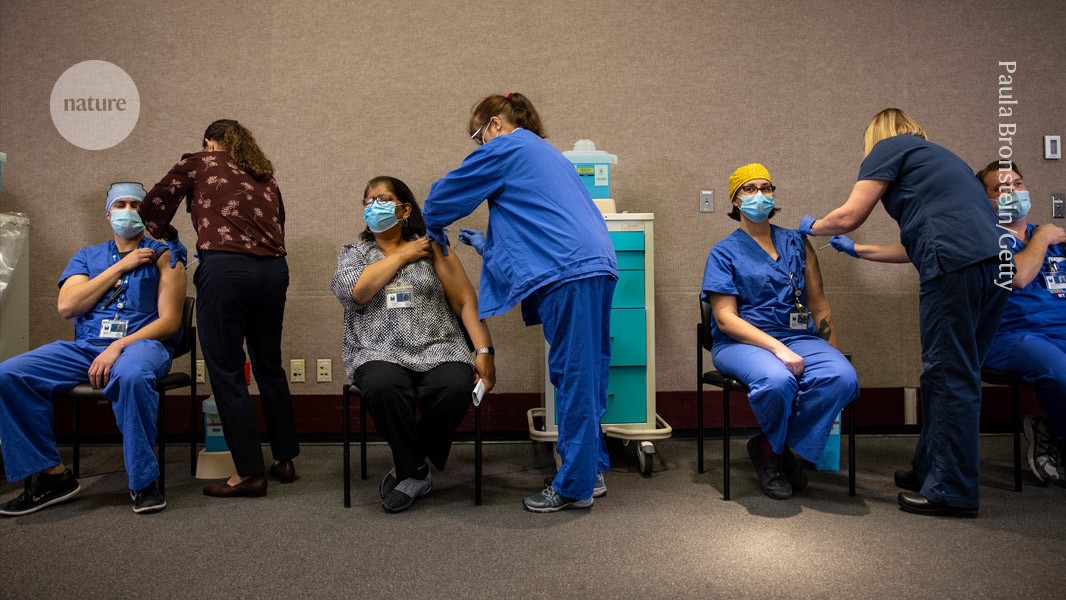
"On 8December 2020, a 90-year-old British woman became the first person in the world to receive a Pfizer COVID-19 vaccine. Five years on, more than 13.64 billion doses of COVID-19 vaccines have been administered. Thanks to the rapid roll-out of these vaccines, the World Health Organization (WHO) declared that COVID-19 was no longer a public health emergency in May 2023."
"The global response to the COVID-19 pandemic was a turning point for public health - but the downstream effects haven't all been positive, argues Kristen Panthagani, a physician at Yale New Haven Hospital in Connecticut. In March 2020, Panthagani started a newsletter called You Can Know Things, which originally focused on addressing rumours and myths about COVID-19 vaccines and public-health measures. It now explores how the miscommunication of science and health measures has damaged public trust in vaccines and scientific research."
"The pandemic was a steep learning curve. Nobody in our generation had ever encountered anything like that before and we must remember what we were dealing with at the time. It's easy to beat ourselves up looking back, but it's important that we look at what we can learn from that time and how we can do better going forwards."
On 8December 2020 a 90-year-old British woman received the first Pfizer COVID-19 vaccine, and over five years more than 13.64 billion vaccine doses have been administered. The World Health Organization declared COVID-19 no longer a public health emergency in May 2023. A newsletter called You Can Know Things began in March 2020 to address rumours and myths about COVID-19 vaccines and public-health measures and later examined how miscommunication eroded public trust in vaccines and scientific research. Miscommunication during the pandemic contributed to declining confidence in childhood vaccines, risking loss of measles elimination when coverage falls below 95%. Remembering the unprecedented context of the pandemic is important for learning lessons and improving future public-health responses.
Read at Nature
Unable to calculate read time
Collection
[
|
...
]