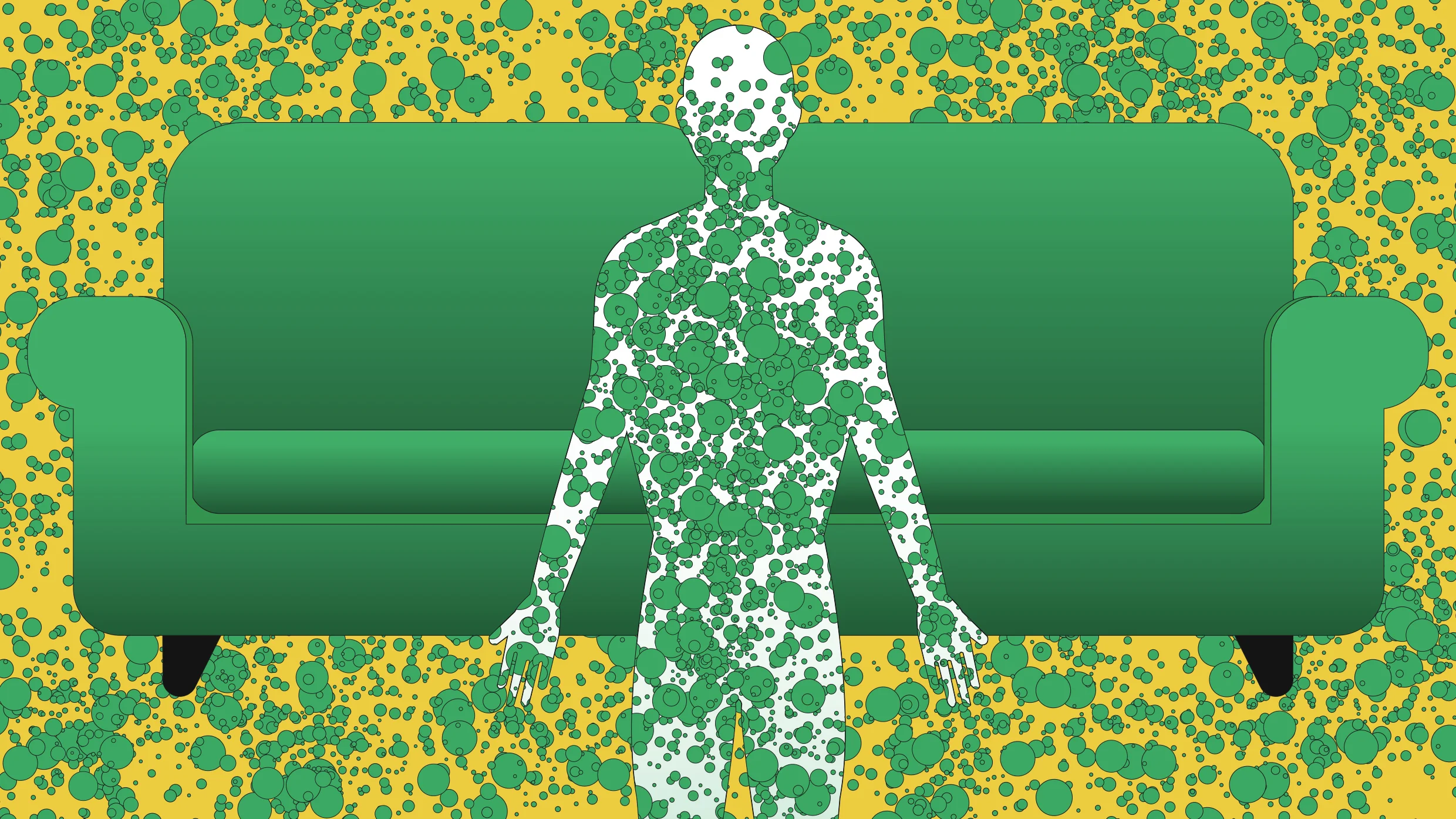
"A new study led by the California Department of Public Health shows the payoff of swapping it out: people who replaced their old, chemical-filled sofas or chairs with new, flame-retardant-free models saw levels of one common chemical, polybrominated diphenyl ethers (PBDEs), drop by half in just over a year. The chemicals became ubiquitous in upholstered furniture thanks to older regulations in California. The state's large market meant that flame retardants were used in furniture nationwide."
"The tobacco industry originally lobbied for the rules in the 1960s, when smoking was a common cause of fires and the industry didn't want to make self-extinguishing cigarettes. But flame retardants didn't prevent fires effectively. Instead, they were linked to cancer risk, hormone disruption, and reduced IQ levels in children. By the early 2000s, manufacturers began phasing out one type of flame retardant, and by 2014, California finally revised its flammability rules so that companies could sell furniture without flame retardants."
Foam in sofas manufactured between 1970 and 2014 commonly contains flame retardants that escape into household dust and indoor air. Replacing these sofas or chairs with flame-retardant-free furniture reduces household polybrominated diphenyl ether (PBDE) levels by about half within just over a year. California regulations originally drove widespread use of flame retardants across the furniture industry. Flame retardants failed to prevent fires effectively and were associated with cancer, hormone disruption, and reduced IQ in children. Manufacturers phased out certain brominated flame retardants in the early 2000s, initially switching to organophosphate flame retardants, and by 2014 many firms offered furniture without flame retardants.
Read at Fast Company
Unable to calculate read time
Collection
[
|
...
]