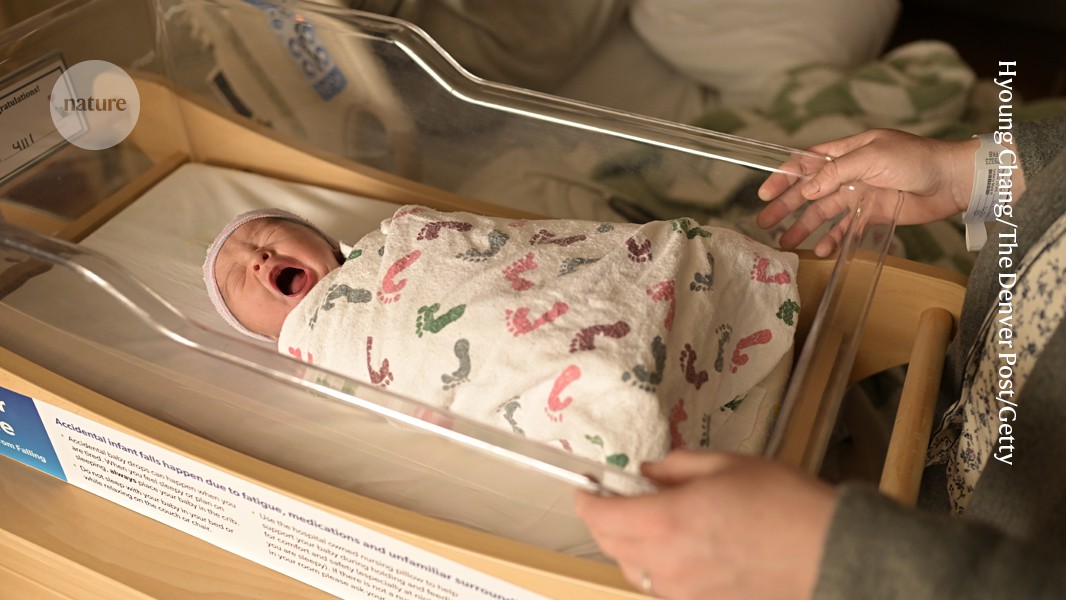
"Members of a top US vaccine advisory panel voted today to roll back a decades-old recommendation that all newborns receive a hepatitis B vaccine shortly after birth - a measure that has been associated with a sharp decline in mother-to-child transmission of the hepatitis B virus, which causes liver disease. Newborn vaccination is still recommended for babies born to mothers who have tested positive for the virus, or whose mothers' infection status is unknown."
"But for babies born to mothers who have tested negative for the hepatitis B virus, the US Advisory Committee on Immunization Practices (ACIP) now recommends that decisions be made individually - and suggests that babies who do not receive a 'birth dose' of the vaccine be vaccinated no earlier than the age of two months. Recommendations made by the ACIP must be approved by the director of the US Centers for Disease Control and Prevention (CDC) before they become official policy of the agency."
""What we are doing here is trying to undo some really, really bad decision processes we had in the past," said ACIP member Retsef Levi, a professor of operations management at the Massachusetts Institute of Technology in Cambridge, who pointed to what he considers to be gaps in the data about the vaccine's safety. But other ACIP members expressed concern that the new recommendations were not grounded in data, and could cause harm."
ACIP voted to reverse a longstanding recommendation for universal newborn hepatitis B vaccination, limiting automatic birth-dose administration to infants of mothers who are positive or whose infection status is unknown. For infants of mothers testing negative, vaccination decisions should be individualized, and if the birth dose is withheld the first vaccine should be given no earlier than two months of age. The committee’s recommendations await approval by the CDC director to become agency policy. The meeting was contentious, with some members citing data gaps and safety concerns while others warned the change risks increased hepatitis B infections and emphasized vaccine safety evidence.
Read at Nature
Unable to calculate read time
Collection
[
|
...
]