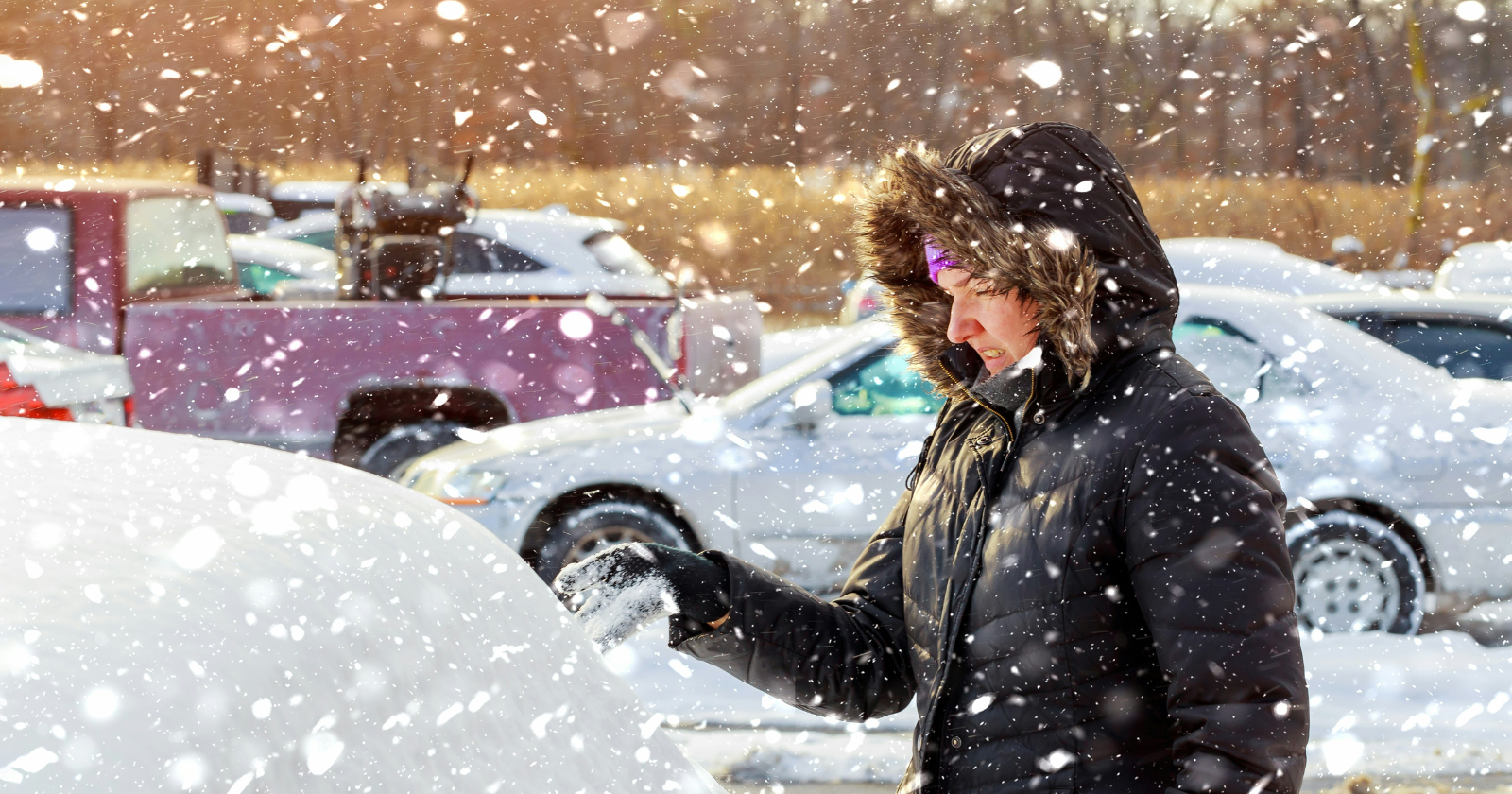
"When I spoke with emergency management officials last year, they all mentioned the same frustrating scenario. People ignore storm warnings until the precipitation starts falling, then suddenly everyone rushes out at once. The roads become congested with anxious drivers, accidents spike, and stores run out of essentials just when people need them most. But here's what really gets meteorologists worked up about this pattern. Modern weather forecasting has become incredibly accurate, especially for major winter storms."
"We typically have three to five days of advance warning before a significant weather event. Yet most of us treat these forecasts like suggestions rather than the scientific predictions they are. The psychological tendency to downplay future threats is real. I've done it myself, thinking "They're probably overreacting" or "It won't be that bad." Then I find myself sliding through an icy parking lot with hundreds of other procrastinators, all of us suddenly believers in the forecast we ignored two days earlier."
Millions of people delay storm preparations until precipitation begins, triggering last-minute shopping, congested roads, accidents, and shortages. Emergency management officials report common surges of anxious drivers and depleted store supplies during these rushes. Modern weather forecasting often provides three to five days of reliable advance warning before major winter storms. Psychological tendencies to downplay future threats and assume forecasts are exaggerated drive procrastination. Delayed action compounds hazards for responders and the public. Safety guidance includes never warming a car inside a closed garage and always checking the tailpipe for snow before starting a vehicle.
Read at Silicon Canals
Unable to calculate read time
Collection
[
|
...
]