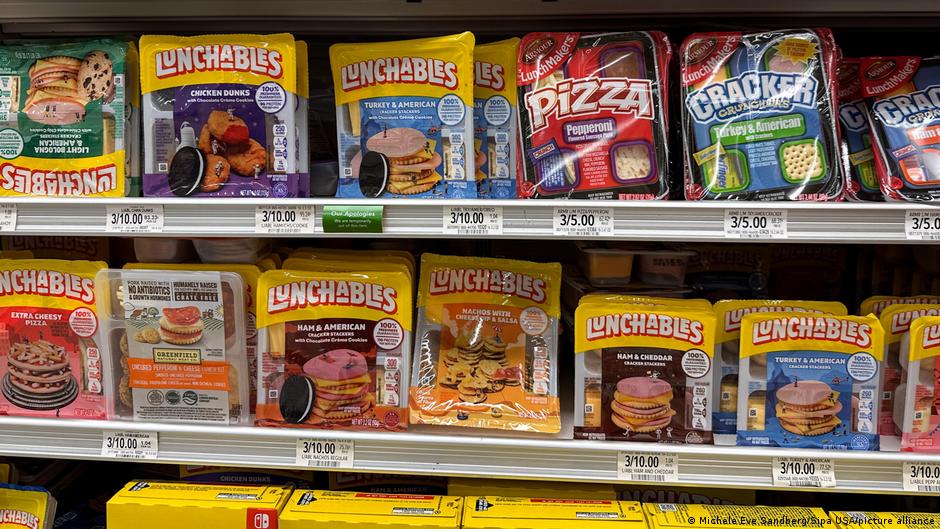
"A study by researchers at three United States universities claims to have identified similarities between the addictive characteristics of ultra-processed foods (UPFs) and cigarettes, and has recommended similar levels of regulation. According to the study, which was published this week in the Milbank Quarterly healthcare journal, UPFs "share key engineering strategies adopted from the tobacco industry" which are designed to drive "compulsive consumption.""
""UPFs are not just nutrients but [are] intentionally designed, highly engineered and manipulated, hedonically optimized products," it says. Should UPFs be regulated like tobacco products? The researchers from Harvard, the University of Michigan and Duke University therefore recommend applying regulatory policies to UPFs similar to those which are now widely applied to tobacco. These could include clearer labeling, higher taxes, limits on availability in schools and hospitals, and restrictions on child-targeted marketing."
"The findings come two months after a UNICEF study published in The Lancet in December revealed the extent of UPF consumption among young children in 11 different countries. The study found that 10-35% of children aged five and under already regularly consumed sweet soft drinks, while 60% of teenagers admitted to having eaten at least one UPF product the day before."
Ultra-processed foods share engineering strategies adopted from the tobacco industry that drive compulsive consumption. Common products such as soft drinks, chips and cookies are industrially produced to optimize doses of addictive ingredients and encourage overuse. UPFs are intentionally designed, highly engineered, manipulated and hedonically optimized rather than being simply nutrients. Recommended regulatory measures include clearer labeling, higher taxes, limits on availability in schools and hospitals, and restrictions on child-targeted marketing. Food's necessity for survival and difficulty opting out of the modern food supply heighten the urgency for regulation. High UPF consumption is already widespread among children and teenagers internationally.
Read at www.dw.com
Unable to calculate read time
Collection
[
|
...
]