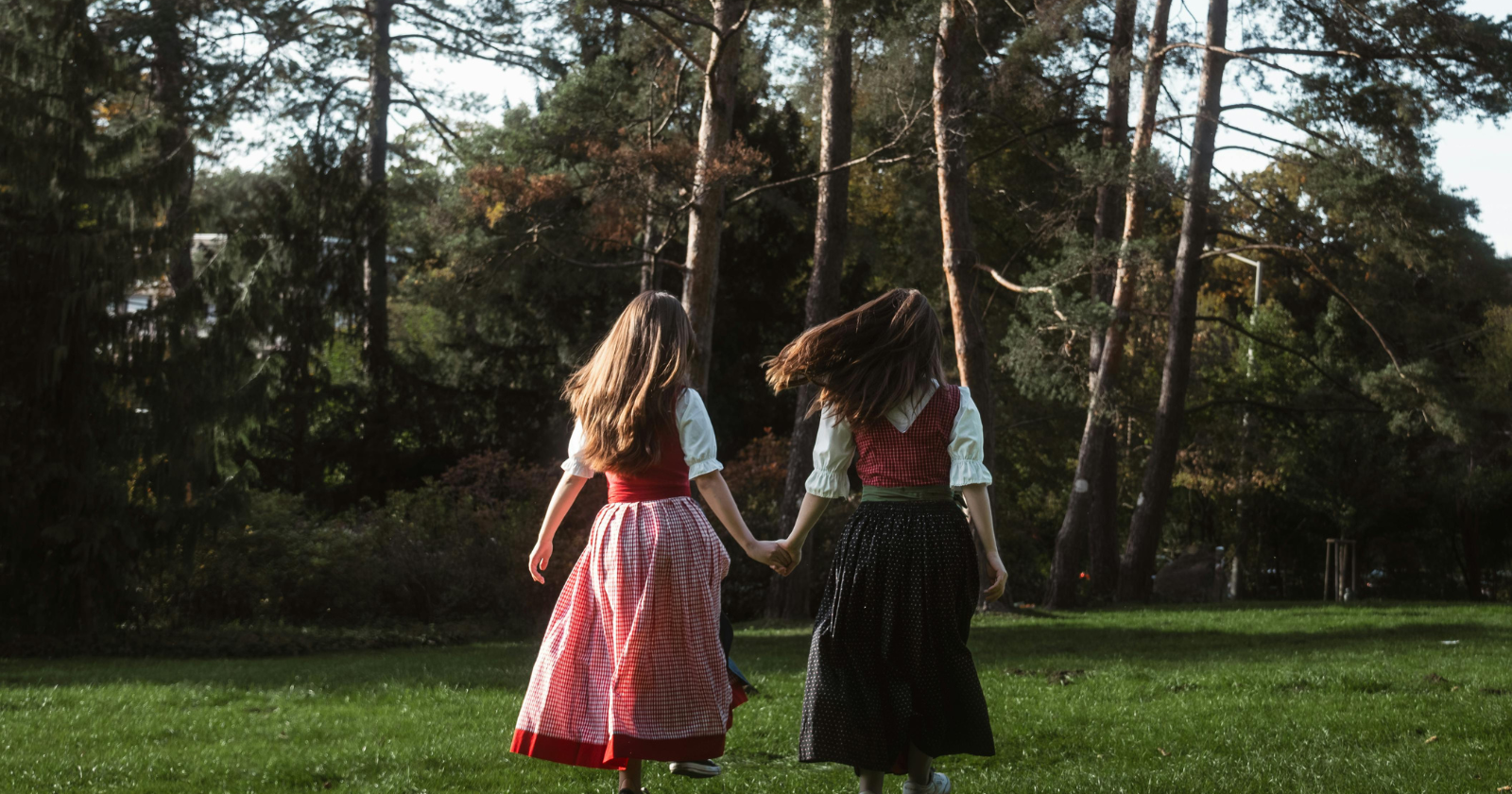
"Growing up, my younger brother and I shared everything: a bedroom, inside jokes, and that unspoken understanding that only siblings have. But somewhere between high school graduation and our thirties, we became polite strangers who exchange birthday texts and awkward small talk at family gatherings. When our parents divorced when I was twelve, something shifted in our family dynamic that we're still unpacking decades later."
"2. They were assigned rigid family roles Every family has its cast of characters: the responsible one, the rebel, the peacemaker, the baby. These roles might seem harmless, even affectionate, but they can become prisons that limit how siblings relate to each other. When you're locked into being "the smart one" or "the athletic one," it becomes hard to show vulnerability or explore different aspects of yourself around your siblings. You end up performing a version of yourself that stopped being authentic years ago."
Sibling relationships can drift into polite unfamiliarity as adults because childhood dynamics create enduring patterns. Parental divorce and scarce emotional resources often force children into competition for attention, approval, and emotional availability. Families assign rigid roles—responsible, rebel, peacemaker, baby—that limit authentic expression and sustain performances of identity. Those roles make vulnerability difficult and reinforce judgments, such as dismissing creative careers as 'not real work.' Many of the wounds are subtle patterns rather than dramatic traumas, yet they shape how siblings perceive and relate to one another and can take decades to recognize and unpack.
Read at Silicon Canals
Unable to calculate read time
Collection
[
|
...
]