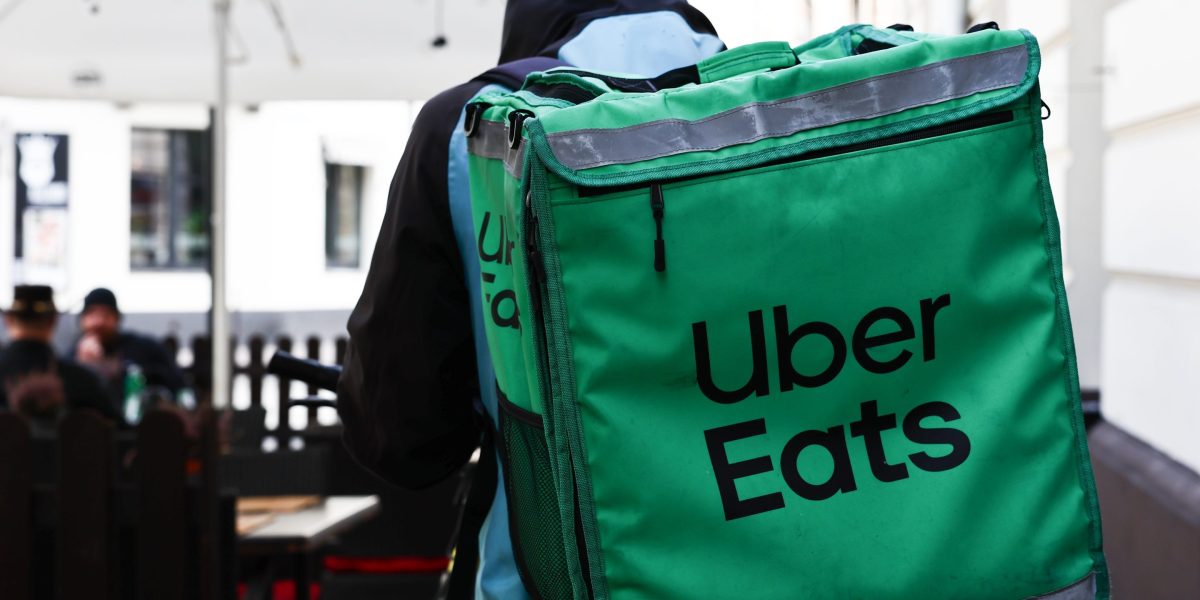
"When we studied what happened to delivery drivers' earnings after Seattle's payment rule took effect, we found that despite base pay per delivery roughly doubling, their total monthly earnings barely changed. That's because competition among drivers for delivery tasks intensified while customers made fewer orders and tipped less on each order in the aftermath."
"We are labor economists who have extensively studied the emergence of the gig economy and previous policy efforts designed to provide economic security to workers in unstable employment situations. We wanted to know how new gig economy regulations like the one in Seattle were playing out in practice."
Seattle implemented a law in January 2024 requiring delivery apps to pay drivers a minimum rate combining per-minute and per-mile compensation, establishing a $5 minimum per delivery. Labor economists studied the policy's real-world effects using earnings data from gig workers across multiple platforms. Despite base pay roughly doubling, drivers' total monthly earnings barely changed. This occurred because the policy triggered unintended consequences: customers placed fewer orders, tipped less per delivery, and competition among drivers intensified for available tasks. These offsetting effects neutralized the intended economic gains for delivery workers, demonstrating how gig economy regulations can produce unexpected outcomes that undermine their original objectives.
#gig-economy-regulation #delivery-driver-wages #labor-policy-unintended-consequences #minimum-wage-enforcement
Read at Fortune
Unable to calculate read time
Collection
[
|
...
]