"Truth to Power is a regular series of conversations with writers about the promises and pitfalls of movements for social justice. From the roots of racial capitalism to the psychic toll of poverty, from resource wars to popular uprisings, the interviews in this column focus on how to write about the myriad causes of oppression and the organized desire for a better world."
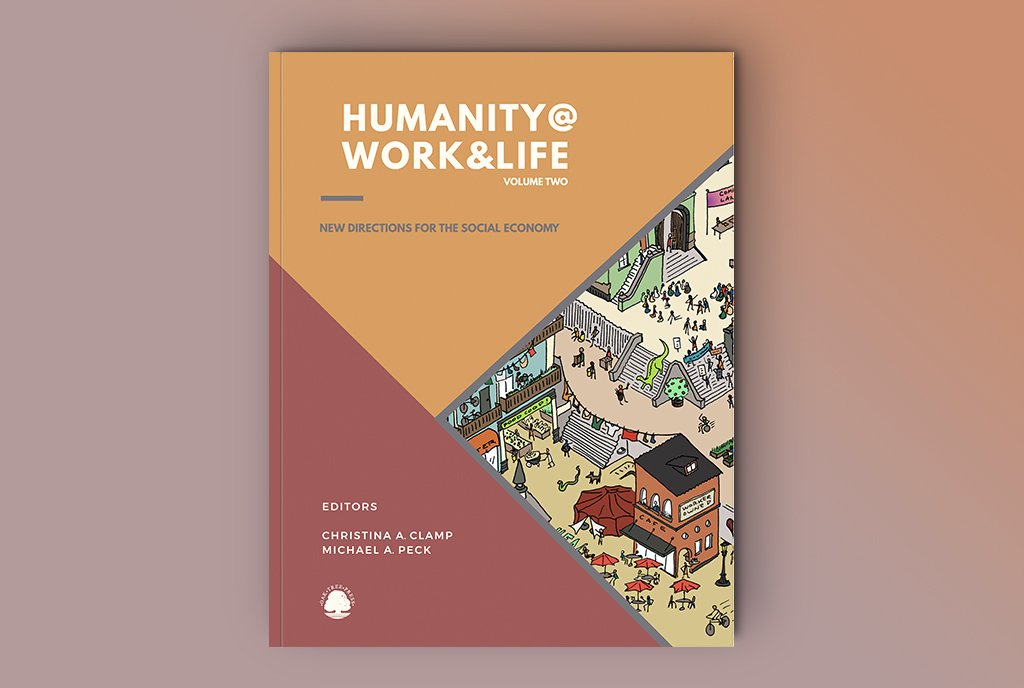
"We really wanted to pick up on some places where we thought information was missing. We are also in a different place than when we started on Volume 1. Volume 2 is more a thought piece looking forward rather than a look at how Mondragón [cooperative corporation in the Basque region of Spain] has been informative to other folks around the world."
"SD: What are some new directions that you cover in the book? CC: My doctorate was in social economy back in the 1980s. Social economy is a broader term than social and solidarity economy that encompasses economic activities for social good. The phrase "social and solidarity economy" is a subset of that which emphasizes grassroots and transformational strategies for bringing about a more just and equitable economy in the world."
Humanity@Work&Life Volume Two adopts a forward-looking stance that seeks to fill information gaps and identify new directions for the social economy. The project prioritizes thought pieces and future-oriented perspectives rather than retrospective case-focused accounts. Social economy is presented as a broad category of economic activities aimed at social good. The social and solidarity economy is characterized as a subset that centers grassroots and transformational strategies to produce a more just and equitable economy. Contributors bring international experience and ongoing engagement with social-economy practice, moving beyond a singular focus on the Mondragón model.
Read at Nonprofit Quarterly | Civic News. Empowering Nonprofits. Advancing Justice.
Unable to calculate read time
Collection
[
|
...
]