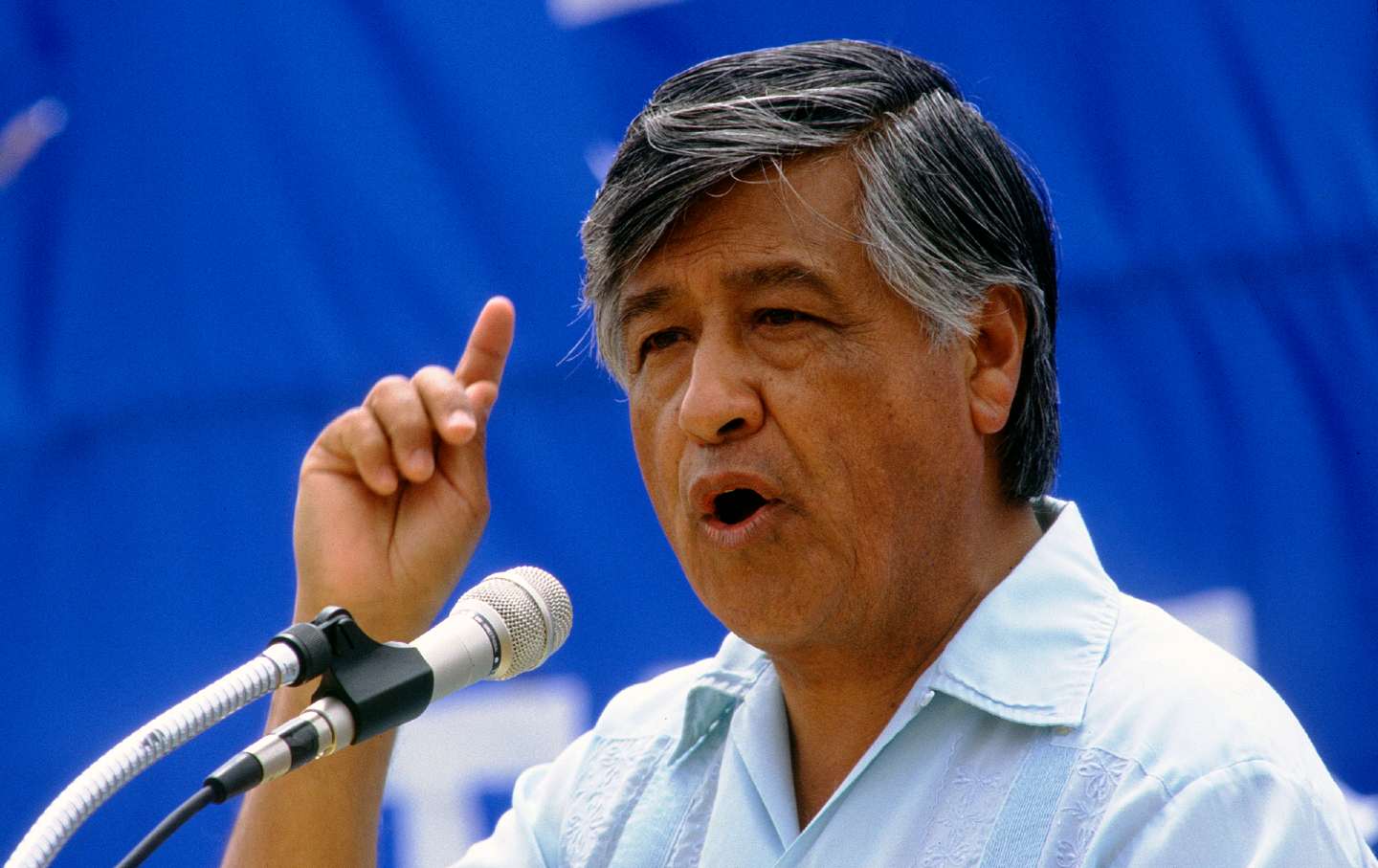
"The survivors of Chavez's abuse, some as young as 12, stayed silent for decades because they were worried what these revelations would do to the movement, worried that no one would believe them, and were afraid of the potential repercussions of going public with this information."
"A culture of silence, of shoving these harms and abuses down into oneself in the purported service of a 'greater good' has been extremely pervasive in American progressive movements. This same conspiracy of silence extends outward into greater society; many women I know who have experienced sexual assault and abuse have found themselves silenced in order to preserve the reputations of their abusers."
"It shouldn't have taken 60 years for these women to be heard. It shouldn't have taken decades for these women to feel as though their experiences could be validated. We certainly shouldn't have waited until 30 years past Chavez's death to learn of their abuse and their trauma—a point at which real justice and accountability are rapidly diminishing prospects."
A five-year New York Times investigation documented multiple instances of sexual misconduct by labor leader and civil rights figure Cesar Chavez against women and girls during his tenure leading the United Farm Workers. Cofounder Dolores Huerta confirmed allegations involving herself. Survivors remained silent for decades, fearing their revelations would damage the movement, doubting they would be believed, and fearing retaliation. This pattern reflects a broader culture of silence in American progressive movements where women suppress abuse to protect larger causes. Many assault survivors have been silenced to preserve their abusers' reputations. The delayed accountability—occurring 30 years after Chavez's death—limits justice prospects while the country had previously venerated him as a civil rights hero.
Read at The Nation
Unable to calculate read time
Collection
[
|
...
]