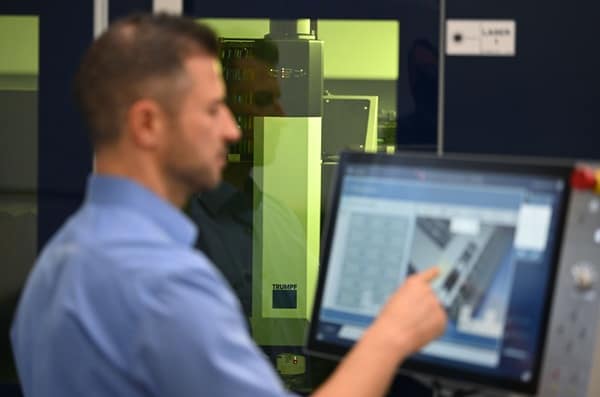
"Modern industries work with materials that demand extreme accuracy. Even small mistakes can cause a part to fail, a product to weaken, or an entire batch to go to waste. High-tolerance materials are used in aerospace parts, automotive components, medical tools, electronics, and advanced machinery. These products must meet strict specifications, and the cutting method plays a major role in their performance."
"Choosing the right cutting method begins with understanding how the material behaves and what the project requires. Each material responds differently, so companies must review a few important factors before deciding. Key points include: Material sensitivity: Some metals handle heat well, while plastics and composites may warp or crack. Precision needs: Industries that need tight tolerances require smoother edges and accurate shapes. Heat impact: Heat can distort materials, so cold-cutting methods work better for delicate surfaces."
High-tolerance materials are used in aerospace, automotive, medical, electronics, and advanced machinery where extreme accuracy is required to prevent failures. Incorrect cutting methods can produce heat damage, cracked edges, rough surfaces, warped shapes, increased scrap, and higher costs. Businesses assess material sensitivity, precision requirements, heat impact, production speed, and cost to select appropriate techniques. Materials that are heat-sensitive favor cold-cutting approaches. High-volume production requires methods that balance accuracy with efficiency. Evaluating these factors and comparing cutting methods helps protect product quality, reduce waste, and ensure long-term performance.
Read at London Business News | Londonlovesbusiness.com
Unable to calculate read time
Collection
[
|
...
]