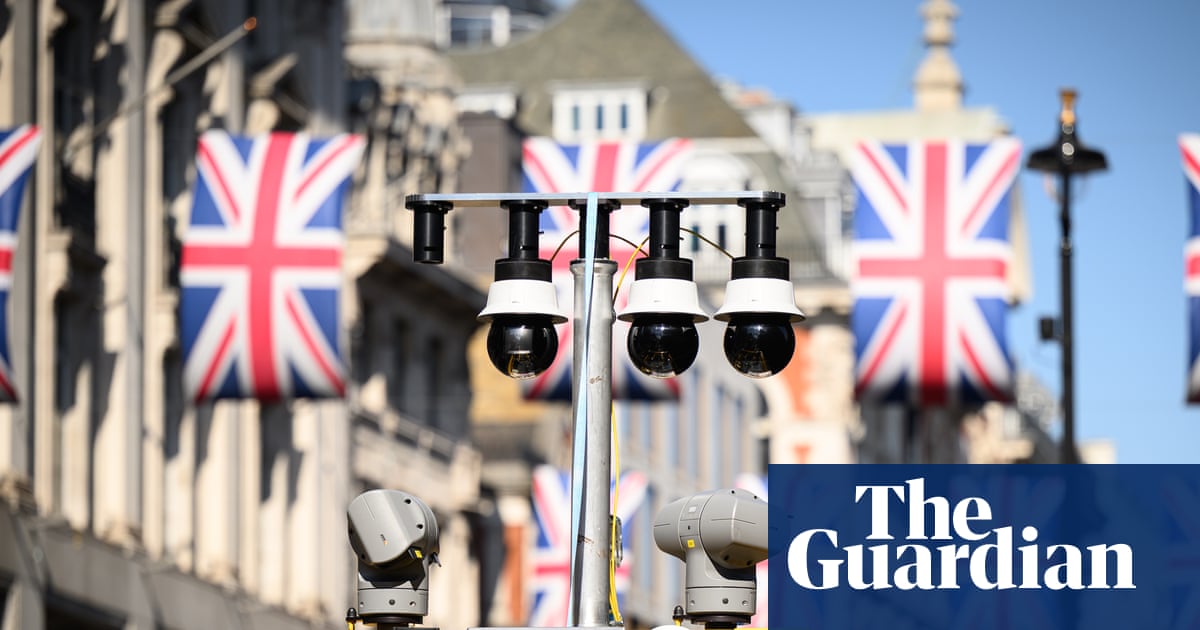
"Police forces successfully lobbied to use a facial recognition system known to be biased against women, young people, and members of ethnic minority groups, after complaining that another version produced fewer potential suspects. UK forces use the police national database (PND) to conduct retrospective facial recognition searches, whereby a probe image of a suspect is compared to a database of more than 19 million custody photos for potential matches."
"Police bosses were told the system was biased in September 2024, after a Home Office-commissioned review by the NPL found the system was more likely to suggest incorrect matches for probe images depicting women, Black people, and those aged 40 and under. The National Police Chiefs' Council (NPCC) ordered that the confidence threshold required for potential matches be increased to a level where the bias was significantly reduced."
"That decision was reversed the following month after forces complained the system was producing fewer investigative leads. NPCC documents show that the higher threshold reduced the number of searches resulting in potential matches from 56% to 14%. Though the Home Office and NPCC refused to say what threshold was being used now, the recent NPL study found the system could produce false positives for Black women almost 100 times more frequently than white women at certain settings."
UK police use the Police National Database (PND) to run retrospective facial recognition searches against more than 19 million custody photos. A Home Office-commissioned National Physical Laboratory (NPL) review found the algorithm misidentified Black and Asian people, women, and people aged 40 and under at significantly higher rates than white men. The National Police Chiefs' Council (NPCC) raised the confidence threshold to reduce bias, cutting potential matches from 56% to 14%. Police forces lobbied to reverse that increase after reporting fewer investigative leads, and lower thresholds were reinstated. NPL testing found false positives for Black women could be almost 100 times more frequent than for white women in some settings. The Home Office acknowledged the bias and said it had acted on the findings.
Read at www.theguardian.com
Unable to calculate read time
Collection
[
|
...
]