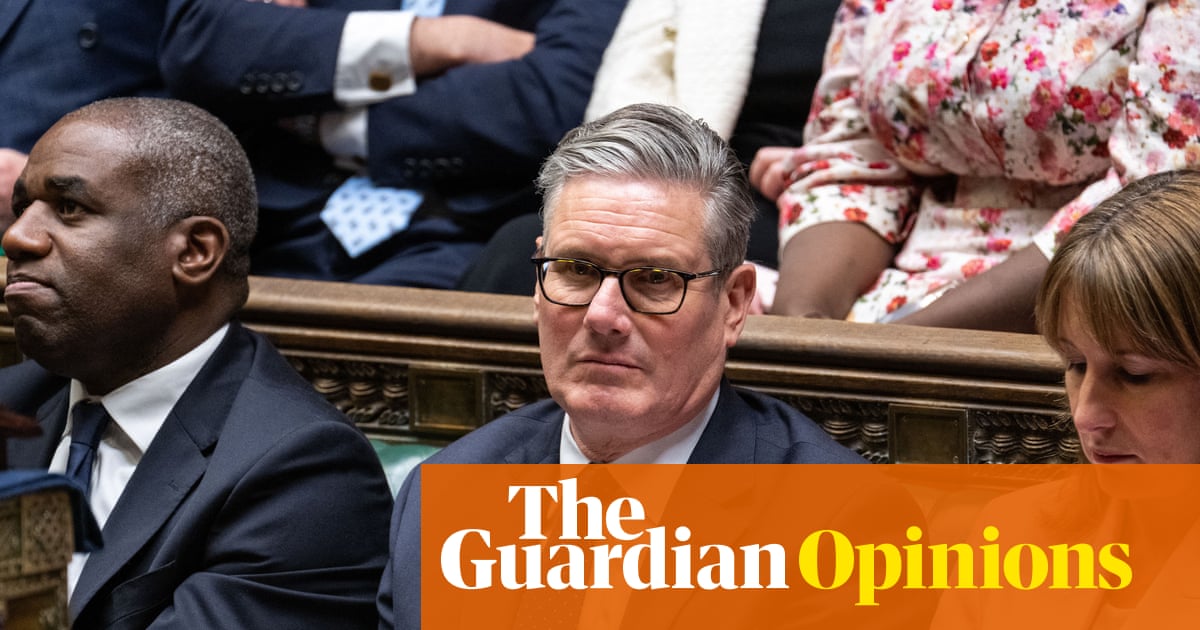
"It is a mistake to think every twitch in the price of UK government debt is caused by the latest instalment in the great Labour leadership meltdown. Waiting for Wes is not the only drama in town for your average bond vigilante. Resolution, or not, to the Iran conflict is still the bigger story. Those vigilantes will not be ignoring events in Westminster, obviously. It's just that there is not yet much to chew on in terms of what it means for fixed-income investors' daily diet of expectations for inflation, interest rates, growth, borrowing and so on."
"What, for example, would an Andy Burnham fiscal rule look like? On one hand, the mayor of Great Manchester has said we need a strong one, which seemed to be an attempt to row back on his earlier rash remarks about not wanting to be in hock to the bond market. On the other hand, he's said defence spending could be boosted outside of the rules. In the eyes of the market, it's all spending and the proposed increase would be the critical bit, not the verbal gymnastics beforehand."
"In the meantime, most of the surge in 10-year gilt yields from 4.2% to 5% since early March is explained by the Iran war. Yes, political uncertainty is definitely present, as analysts' calculations of the UK yield premium usually demonstrate. But the greater factor in the past couple of months has been the UK's painful exposure to higher oil and gas prices, and thus inflationary pressures. We import 40% of our energy and already have some of the highest electricity prices in the western world."
"Gilts have been more responsive to moves in energy prices than the political headlines of late, wrote the thinktank Capital Economics last week, and the same is still true. None of which means the gilt market would not throw a tantrum if there is a formal contest in which the runners make unfunded spending promises. But all candidates (one assumes) remember t"
UK government debt yield swings are not solely driven by recent political leadership turmoil. Bond investors also focus on broader geopolitical developments, especially the Iran conflict and its implications for expectations around inflation, interest rates, growth, and borrowing. Westminster uncertainty matters, but there is limited actionable detail for fixed-income investors until specific fiscal proposals are clarified. Questions about fiscal rules, including how spending and defence could be treated, are less important than the actual size and funding of spending increases. The rise in 10-year gilt yields since early March is largely attributed to the Iran war and the UK’s exposure to higher oil and gas prices, which raise inflationary pressures. The UK imports a large share of energy and already faces high electricity prices, making gilts more responsive to energy-price moves than political headlines.
Read at www.theguardian.com
Unable to calculate read time
Collection
[
|
...
]