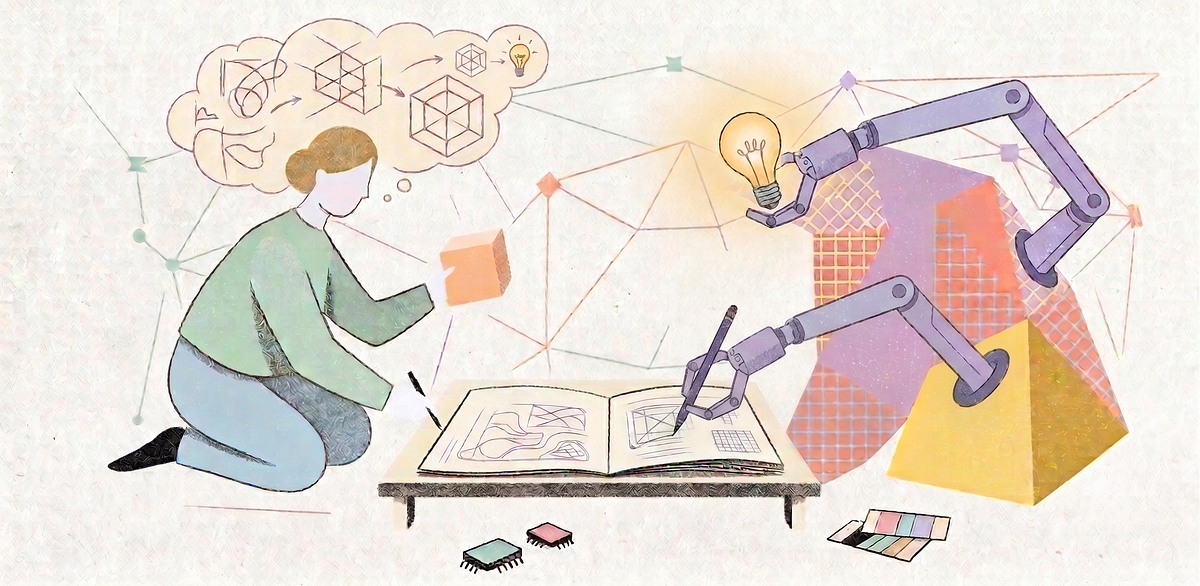
Design trends have repeatedly changed over decades, moving from tactile skeuomorphism to clean mobile layouts, app-focused experiences, and data-heavy ecosystems. Product directions have also evolved through mobile, tablets, smart watches, AR/VR, foldable devices, assistants, wearables, and agentic AI. The consistent pattern is ongoing change, with design work labeled across many disciplines such as HCI, information architecture, web and GUI design, product design, systems thinking, and AI/model design. A major current shift moves beyond designing “glass slab” interfaces and buttons toward defining and designing Human-AI Systems, changing tools, processes, and the fundamental “how” products operate.
"Over the past twenty plus years, I have seen the design industry reinvent itself every couple of years. Design trends have come and gone, from the skeuomorphic tactile design of physical products to clean and fluid layouts of mobile web, "app-ification" and complex, data-heavy ecosystems across the global Silicon Valley world of "disrupters" and AI startups."
"Product trends have also morphed from mobile, tablet, smart watches, AR/VR, foldable/flip phones, general assistants, personal/wearable AI, agentic AI, the list will go on, one thing is always predictable = change."
"We've called designing for these ever-changing contexts many things: HCI, Information architecture, Web and GUI design, Product design, Systems thinking, and now AI / Model design."
"We are moving away from designing traditional interfaces, the glass slabs and buttons we use to command machines, and moving toward defining and designing Human-AI Systems. This isn't only a change in tools and process, it's a change in the fundamental " how" products..."
Read at Medium
Unable to calculate read time
Collection
[
|
...
]