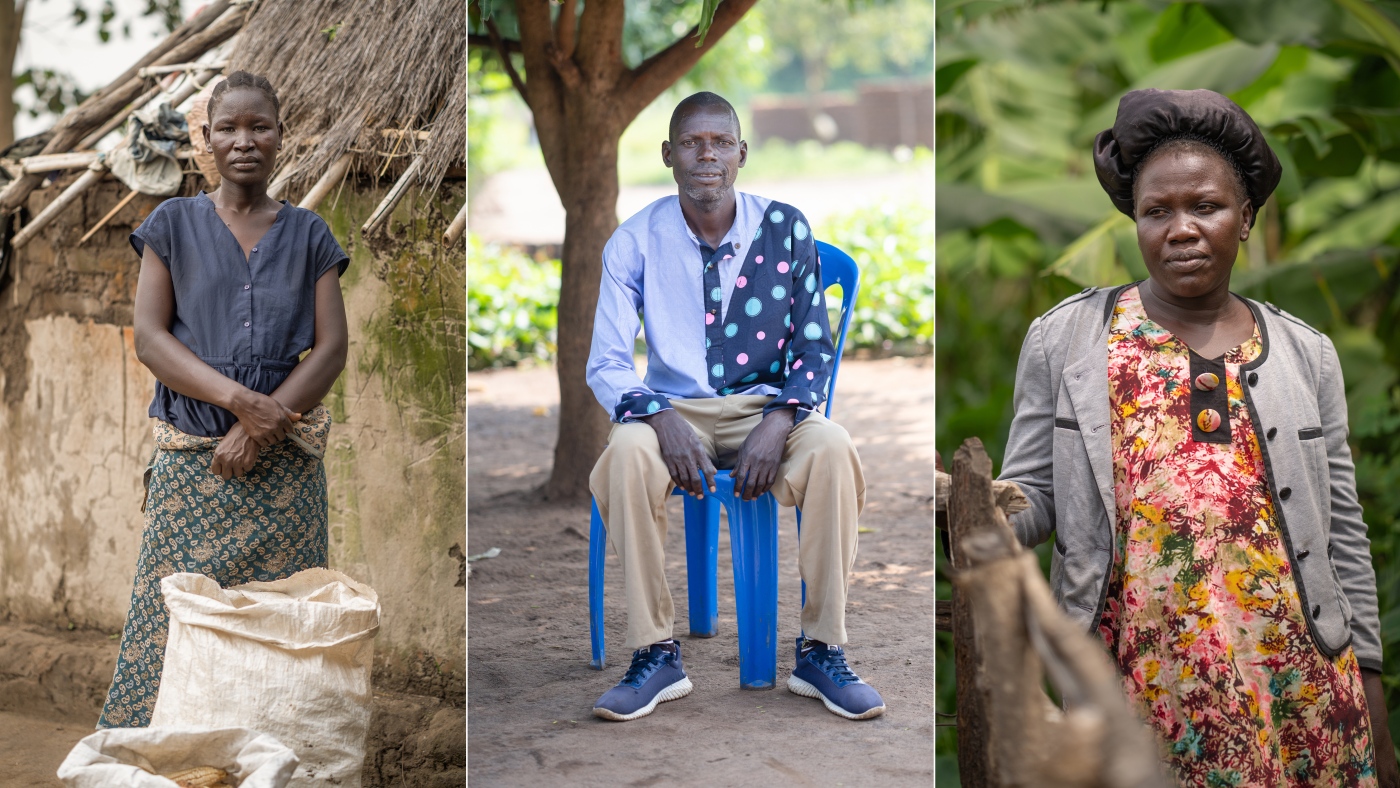
"Imagine if you were a refugee living at a makeshift settlement in a foreign country with no way to earn a steady income. Then someone promised you a life-changing opportunity: They'd give you a sum of money and a coach to help you turn it into a source of income. But just as you are about to receive that support, it gets canceled."
"That's what happened to some 8,100 South Sudanese refugees in Uganda this year. They were enrolled in a program with a bureaucratic name Graduating to Resilience Scale Activity and a simple strategy: a $205 sum for each participant along with coaching to start a small business. That may not seem like a lot of money, but in Uganda, the average annual income is $753."
"And in the Palabek camp, home to about 100,000 refugees, most people have no way to earn a living other than occasional farming work, at best making $2 a week. The camp is just around 30 miles away from the border with South Sudan, were a civil war and ethnic violence that began in 2013 led tens of thousands of people many on foot to flee to Uganda. New refugees continue to arrive every day as conditions in South Sudan remain unstable."
A program called Graduating to Resilience Scale Activity planned to give 8,100 South Sudanese refugees and 3,500 nearby Ugandans a one-time $205 grant and coaching to start small businesses. The project aimed to enable participants to graduate from extreme poverty within three years, backed by a $15 million U.S. grant to AVSI Foundation and using the Graduation Approach model. In Palabek camp, average incomes are far below national levels and residents rely on aid and occasional farming work. Past studies found similar cash-plus-coaching programs significantly increased participant income after 24 months. The planned support was canceled, removing anticipated livelihoods assistance.
Read at www.npr.org
Unable to calculate read time
Collection
[
|
...
]