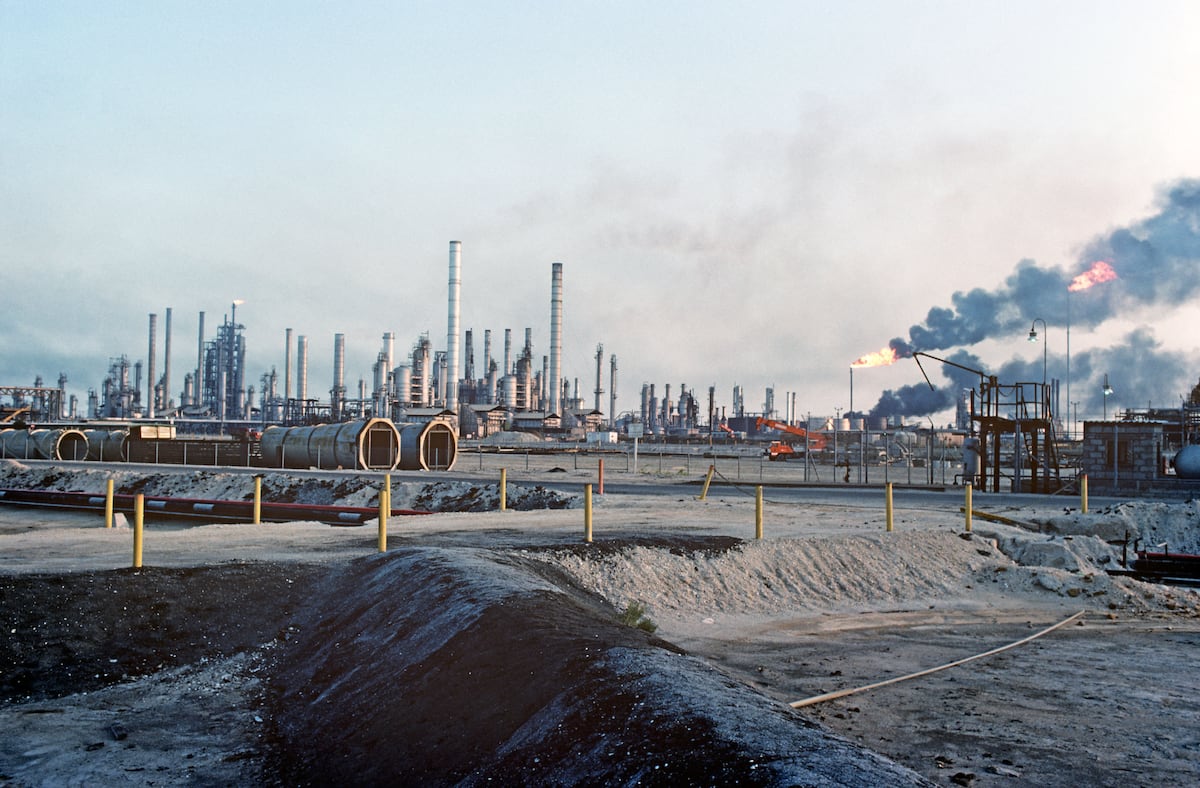
"The countries of the Middle East had not faced such a critical economic situation in decades. Some of them, never. The double blockade of the Strait of Hormuz has plunged their oil and gas exports to multi-year lows, slashing their revenues, forcing them to seek external aid from the same country, the United States, which, along with Israel, has once again turned the region into a tinderbox."
"Iran, which faces a drought in exports compounded by enormous military costs and the repair of damage caused by bombs, is trying to take advantage of a rail corridor that has been operational since 2025 to ship its crude oil to China. This route, according to The Wall Street Journal, even shortens the delivery time compared to the traditional route by ship through the Strait of Hormuz, but would only allow the shipment of a small fraction of what the Islamic Republic currently pumps."
"The East-West pipeline—also known as Petroline—was built in the 1980s during the Iran-Iraq War, and carries crude oil from Abqaiq in the Persian Gulf to Yanbu in the Red Sea. It had a capacity of five million barrels per day, later expanded to seven million in 2019, according to the U.S. Energy Information Administration (EIA). In the first three weeks of March, Saudi Arabia shipped around four million barrels per day via this alternative route, less than half of its pre-war production."
The Middle East confronts its most severe economic crisis in decades, triggered by a double blockade of the Strait of Hormuz that has devastated oil and gas exports to multi-year lows. Regional revenues have collapsed, compelling countries to seek assistance from the United States while simultaneously searching for alternative fossil fuel export routes. Iran utilizes a newly operational rail corridor to China, though this route handles only a fraction of its production. Saudi Arabia relies on the East-West pipeline (Petroline), constructed during the Iran-Iraq War, which carries crude from the Persian Gulf to the Red Sea. Despite expanded capacity to seven million barrels daily, Saudi Arabia shipped only four million barrels through this route in March, representing less than half its pre-war production levels exceeding ten billion barrels.
#middle-east-economic-crisis #strait-of-hormuz-blockade #oil-export-alternatives #regional-geopolitics
Read at english.elpais.com
Unable to calculate read time
Collection
[
|
...
]