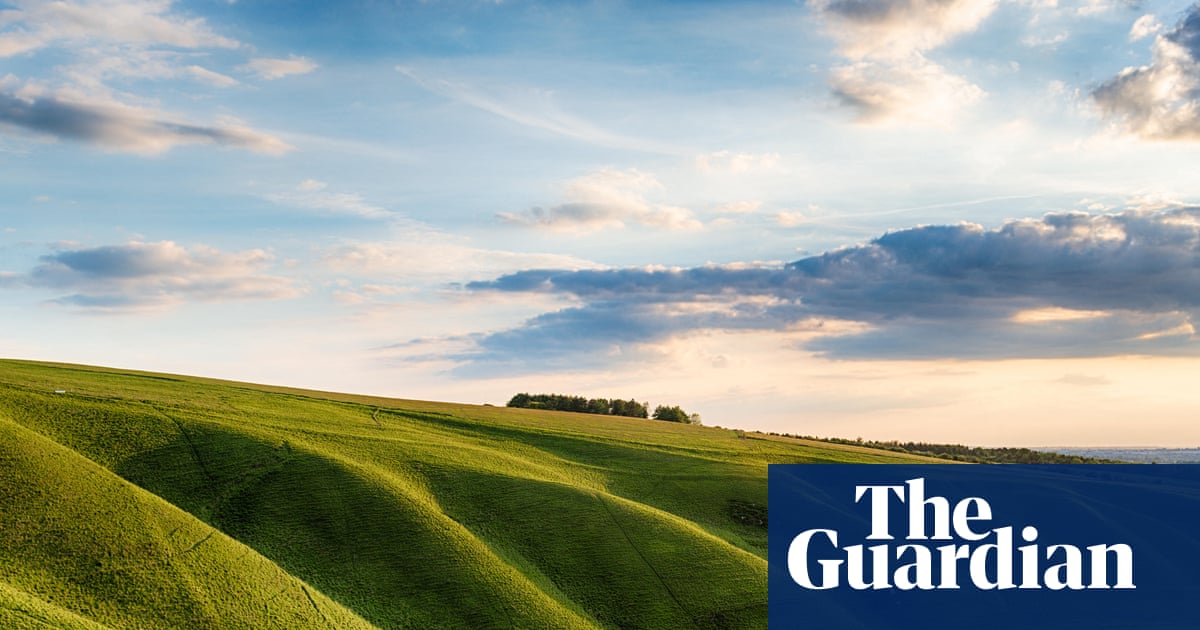
"Formed over thousands of years, paths form an internet of feet a web of bridleways and hollow ways, drove roads and ridgeways, coffin tracks, pilgrimage trails and city pavements. Whether you're hiking a National Trail or pottering along a National Trust footpath, there's a good chance you're following ancestral steps."
"Eleven thousand years ago ice age hunter-gatherers arrived from Europe's heartlands, moving through the wilderness along broad routeways, that later widened to tracks when horses and then wheels were adopted in the bronze age. For more than 2,000 years, traffic moved no faster than the speed of a horse, until the internal combustion engine drove pedestrians off the road just over a century ago."
"In search of the capillaries that gave life to every community in Britain, I revisited coast paths, tramped shepherds' trails and followed the serpentine curls of rivers. Here are a few of my favourite paths that bring history to life."
"Built nearly 6,000 years ago (3806BC) by early farmers who needed access to an island, the collapsed boardwalk was preserved in peat. But a short walk from the Avalon Marshes centre (with an excellent cafe and open-air museum), woodland paths explore Shapwick Heath nature reserve, where a replica section of the Sweet Track teeters through the reeds."
British paths formed over thousands of years, creating a network of bridleways, hollow ways, drove roads, ridgeways, coffin tracks, pilgrimage trails, and city pavements. Ice age hunter-gatherers arrived about 11,000 years ago and moved through wilderness along broad routeways that later widened into tracks when horses and then wheels were adopted in the Bronze Age. For more than 2,000 years, travel speed remained similar to that of a horse until the internal combustion engine pushed pedestrians off roads just over a century ago. Tracing these routes reveals how communities depended on capillaries of movement, including coast paths, shepherds’ trails, and river paths, bringing history to life through surviving and replicated segments such as the Sweet Track in the Somerset Levels.
Read at www.theguardian.com
Unable to calculate read time
Collection
[
|
...
]