Web development
fromMedium
1 week agoAI Web Browsers & Agents in 2026: The Complete Selection Guide
Browsers in 2026 are autonomous systems that execute workflows on behalf of users, transforming the browsing experience significantly.
AI browsers including Perplexity Comet and OpenAI's ChatGPT Atlas present security risks that cannot be adequately mitigated, and enterprises should prevent employees using them, according to Gartner. "Gartner strongly recommends that organizations block all AI browsers for the foreseeable future because of the cybersecurity risks," analysts Dennis Xu, Evgeny Mirolyubov, and John Watts wrote in a research note last week. They made their recommendation based on risks they had already identified, "and other potential risks that are yet to be discovered, given this is a very nascent technology."
Gartner advises organizations to block the use of AI browsers. According to the agency, these new-generation browsers pose risks that are difficult for most organizations to manage. The advice was reported on by The Register. In particular, the combination of AI functions and autonomously acting agents poses a structural security problem. The warning comes from a recent Gartner advisory. In it, analysts note that AI browsers are designed with ease of use as a priority. Security is of secondary importance.
The AI web browser Dia is drawing inspiration from its predecessor, Arc, an earlier experiment in modernizing the web browsing experience that hailed from the startup known as The Browser Company. On Sunday, The Browser Company founder Josh Miller confirmed that the new AI browser will bring "Arc's greatest hits" to Dia, including things like the sidebar mode, and combine that with AI-native features like memory and agents.
The first browser wars were about speed and simplicity, the next one is about control. Every click, search and purchase is being absorbed into a closed ecosystem where algorithms decide what people see and how it is framed. Whoever owns that mediation layer owns the flow of information and the attention economy that depends on it. The goal this time is not faster browsing or better design, it's total dependency.
They got even chattier last week after OpenAI and Microsoft kicked the AI browser race into high gear with ChatGPT Atlas and a "Copilot Mode" for Edge. They can answer questions, summarize pages, and even take actions on your behalf. The experience is far from seamless yet, but it hints at a more convenient, hands-off future where your browser does lots of your thinking for you.
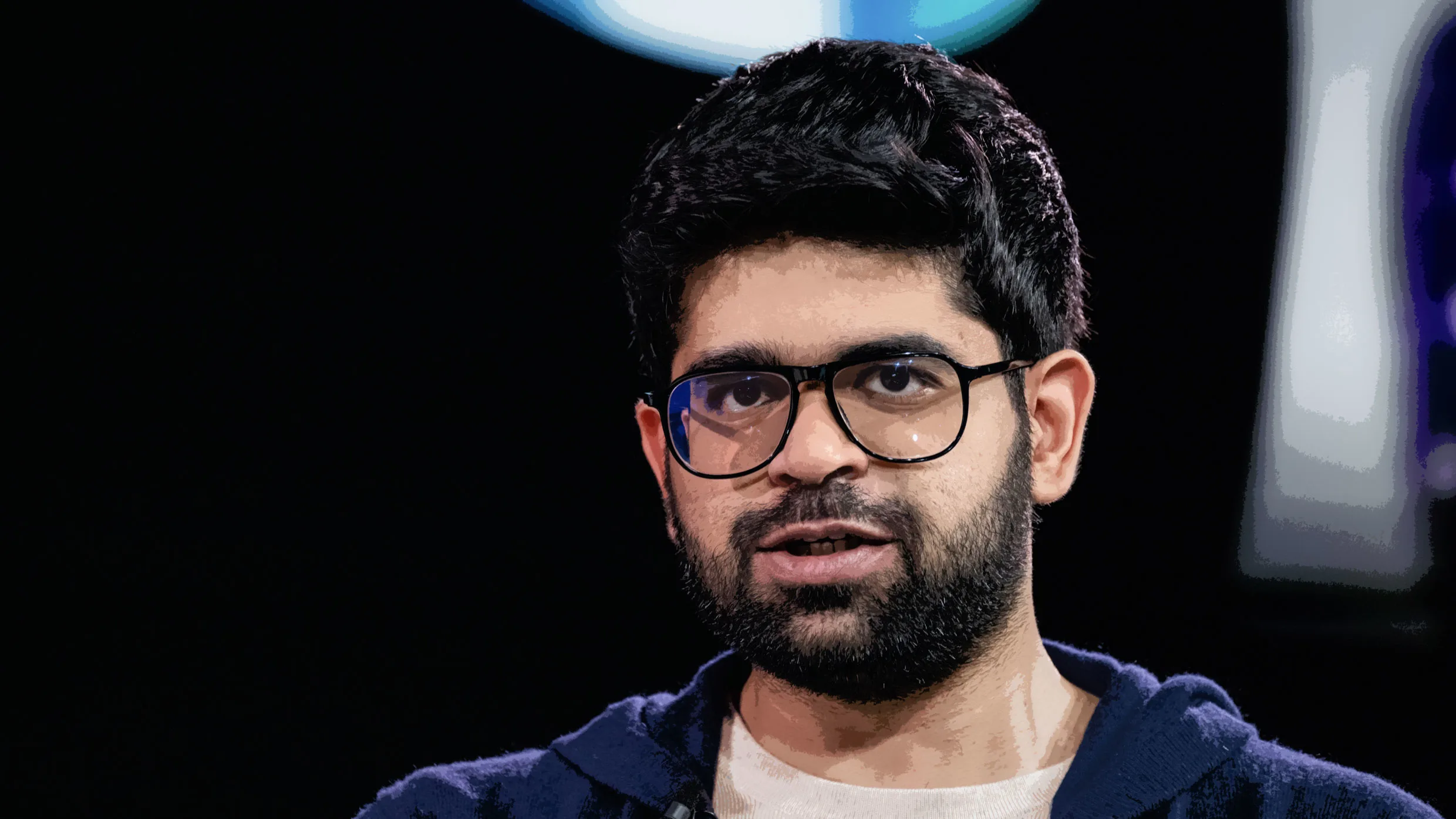
Perplexity's CEO Aravind Srinivas stated, "I reached out to Chrome to offer Perplexity as a default search engine option a long time ago. They refused. Hence we decided to build [the] Perplexity Comet browser."