For many of us humans, old trees - gnarled oaks or towering redwoods - are sources of psychological comfort. As elders who have weathered earlier times of crisis, they signify continuity and resilience. Their rings bridge present and past and remind us that our "now" is only one of many. But for longer-distance time travel, we must seek out even more ancient ancestors. The ones with the longest memories, full of insights germane to our Anthropocene anxieties, are right here in our midst:
This thought-provoking study by palaeobiologists Sarah Gabbott and Jan Zalasiewicz discusses 'technofossils': the vast remnants of modern civilization. The authors itemize plastic bottles, ballpoint pens, concrete dams, credit cards, aluminium cans, teabags, motorways, mobile phones, T-shirts and computers, among numerous items "produced by our species for our comfort and pleasure and then, sooner or later, discarded". How long these items will last is unknown - but for many, it could be millions of years.
However, the term 'Anthropocene' has become deeply ingrained in the public imagination and will not be simply erased. And it still has currency, but it needs to be broken loose from entrenched debates that carry unnecessary baggage. The Anthropocene is a prism through which we can examine the multifaceted history of human activities on this planet, and the spectrum of our potential futures.
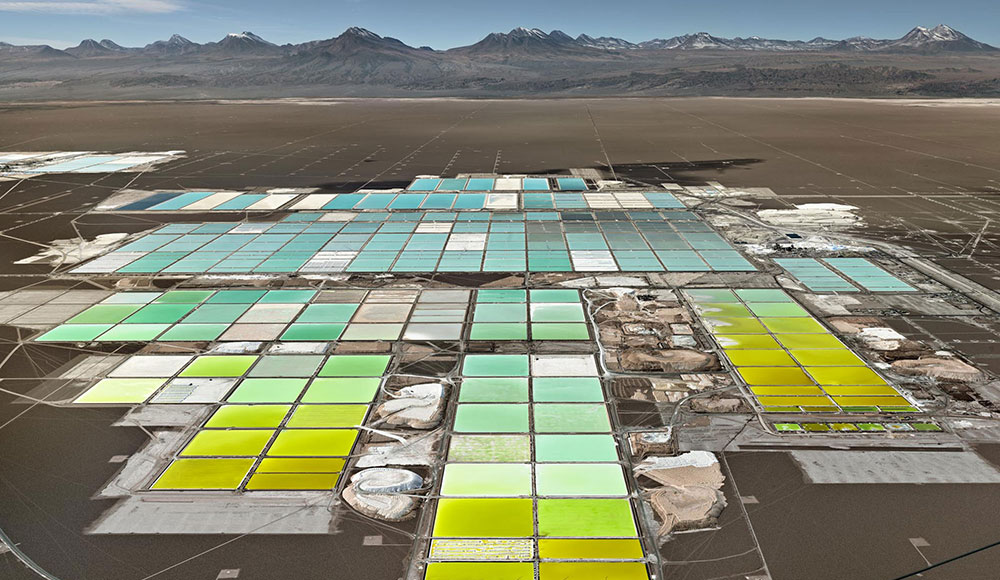
The Anthropocene is defined by significant human impact on the Earth's geology and ecosystems, resulting in alterations that will be evident for millennia in geological strata.
The documentary spans six years and four continents, tackling the fractured relationship between humans and the natural world, particularly through the lens of the Anthropocene.