San Francisco
fromABC7 San Francisco
4 weeks agoBay Area transit agencies are seeing ridership climb as gas prices rise, weather improves
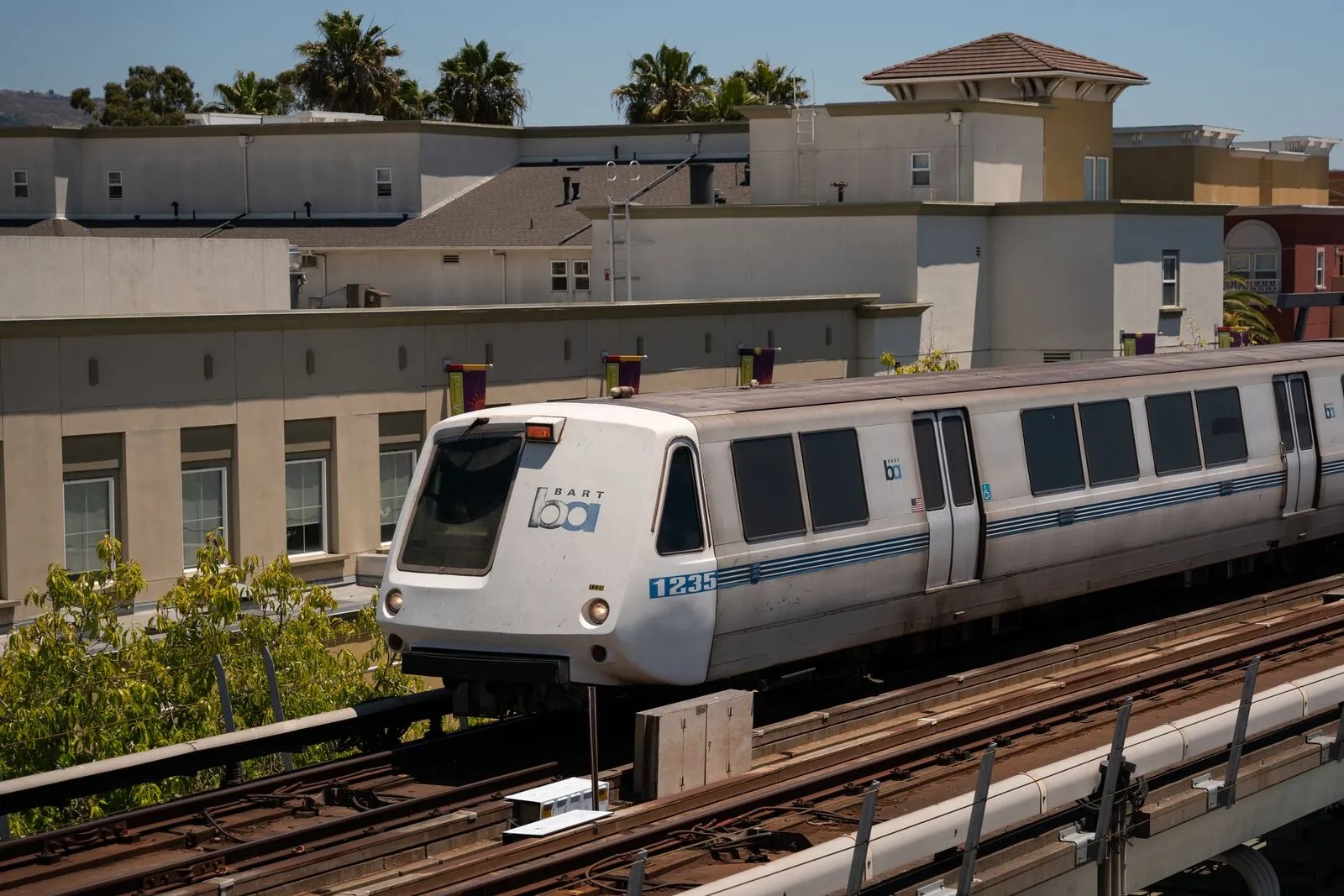
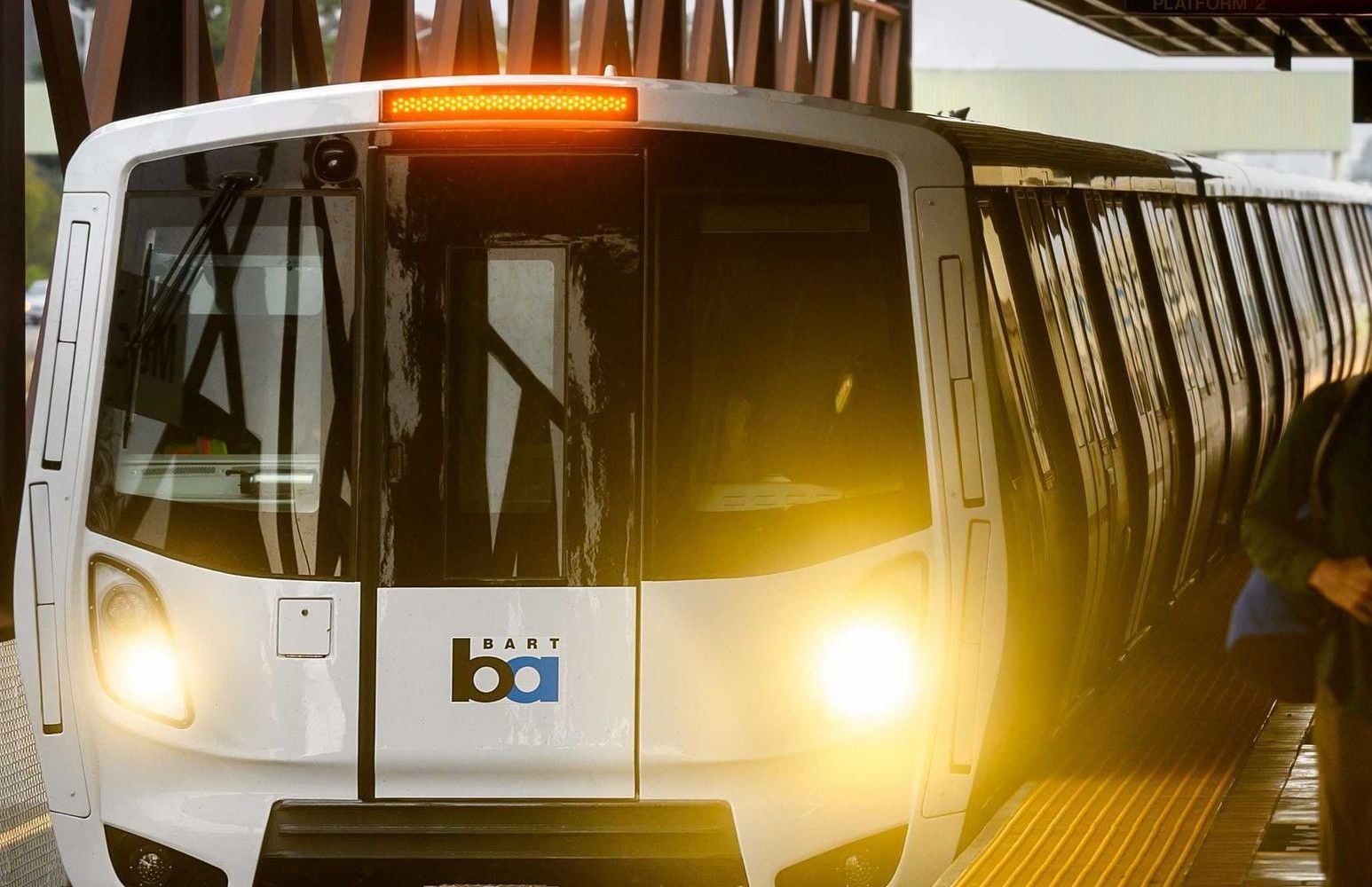
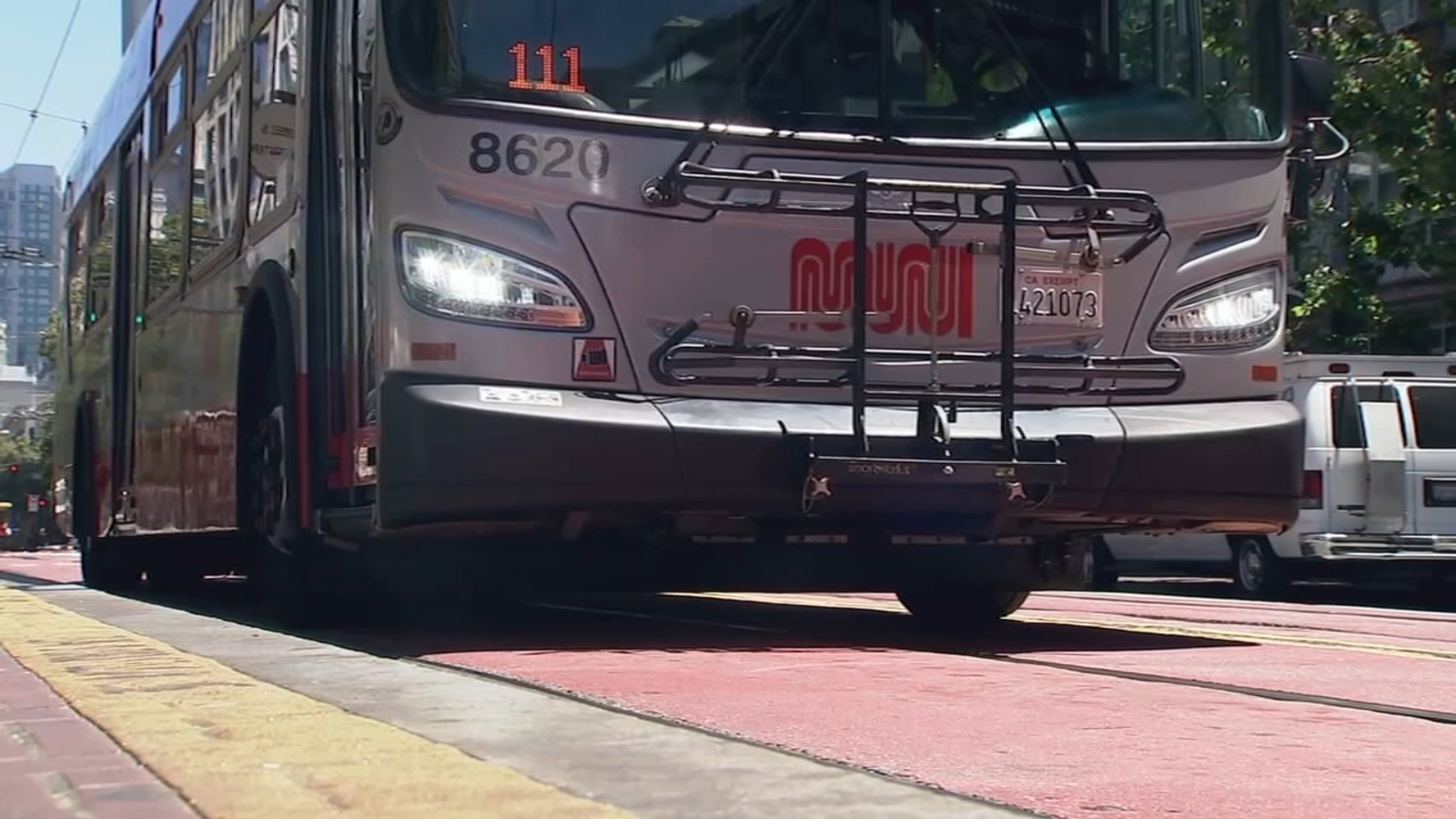
Bay Area transit agencies are experiencing a significant increase in ridership, nearing pre-pandemic levels.
It just seemed like a fun way to encourage people to take advantage of our service and have some fun with the rivalry. I think it just speaks to the fact that, no matter what team you're rooting for, it's a lot easier to be able to take transit to get to the game. Driving is just a rough way to get to it.
To our readers: I don't know about you all, but as we close out 2025, I'm feeling a bit beat up. There was the story about AC Transit closing its one-week, performative non-investigation into one of its drivers who was caught on video driving in the bike lane and punishment passing a cyclist. And there was the confirmation that District 4 Supervisor Alan Wong, who was appointed to finish Joel Engardio's term, is gunning for Sunset Dunes. And there was the loss of the Richmond-San Rafael Bridge bike path.
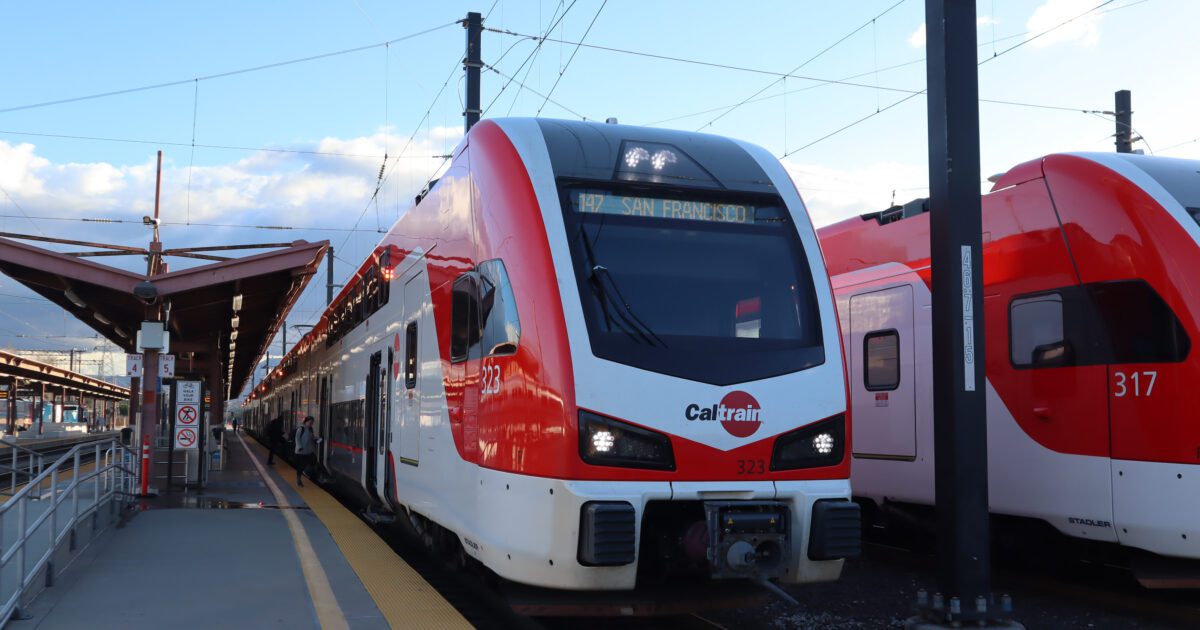
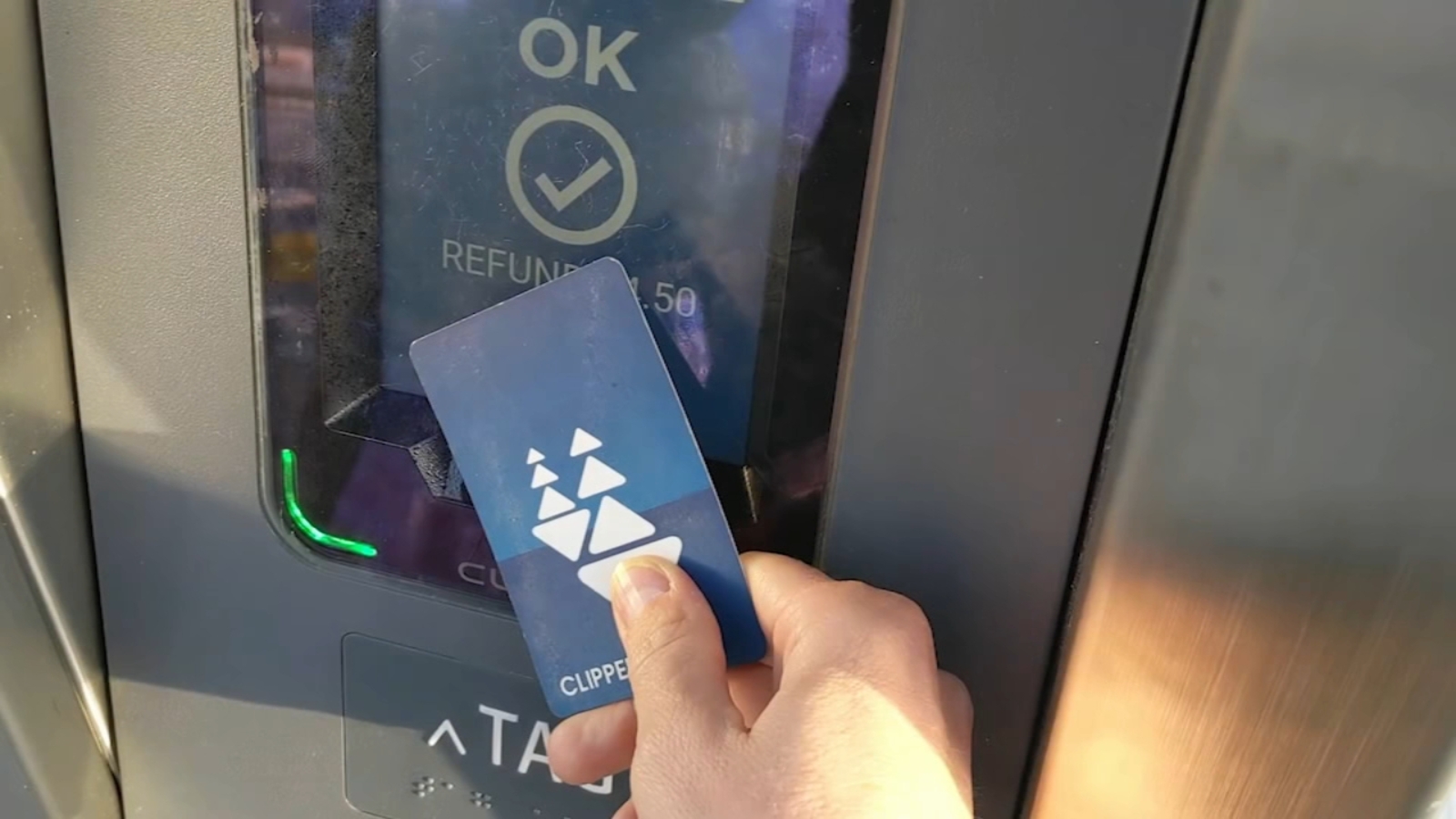
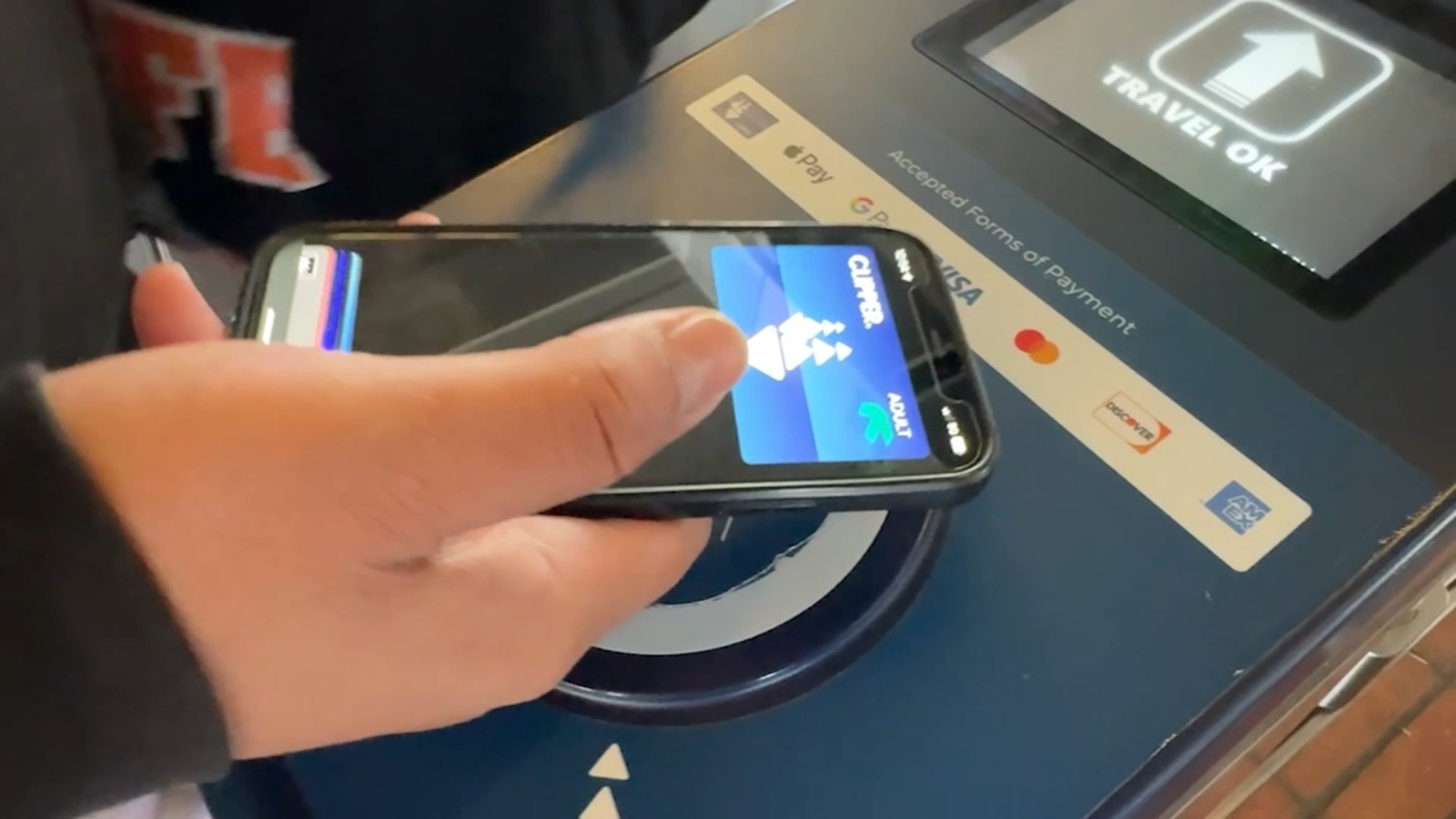
The tap-and-pay ability newly adopted by Caltrain and most other train, bus and ferry agencies in the Bay Area allows riders to pay fares with a chip-enabled credit or debit card rather than the prepaid Clipper. BART made a similar change in August. Accepted payment sources are Visa, Mastercard, American Express, Discover, Apple Wallet and Google Wallet. Each rider must pay with their own card or device.
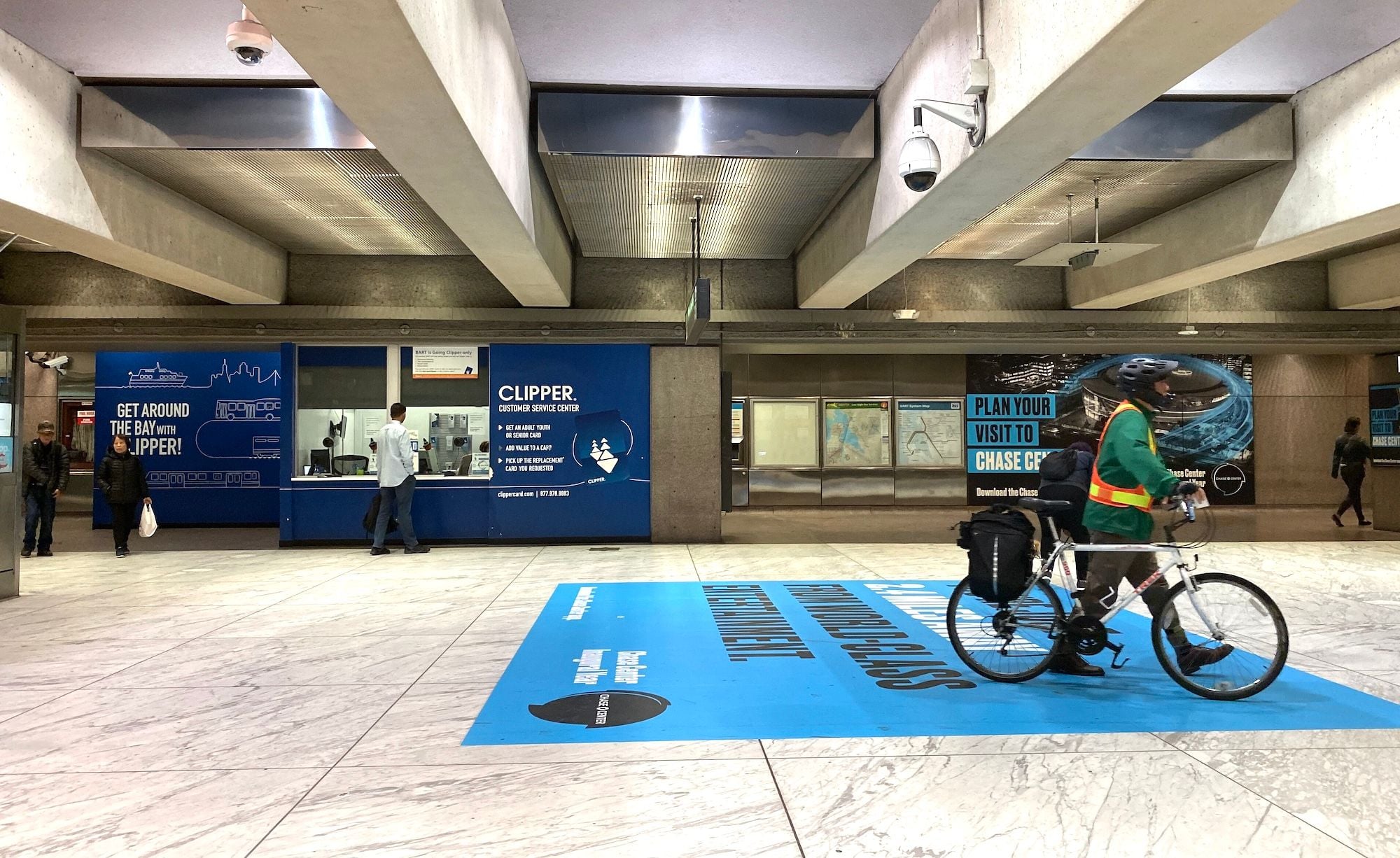
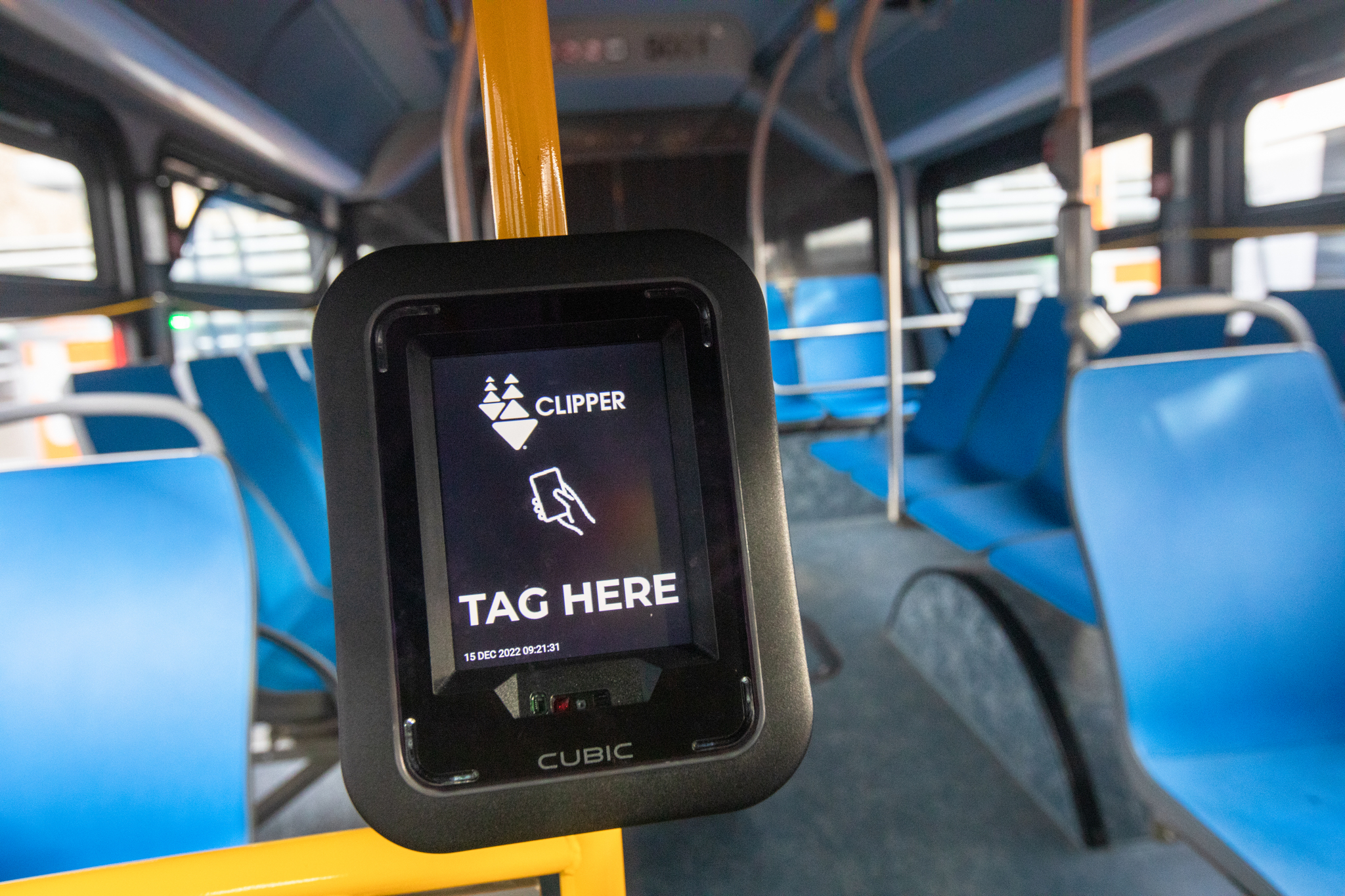
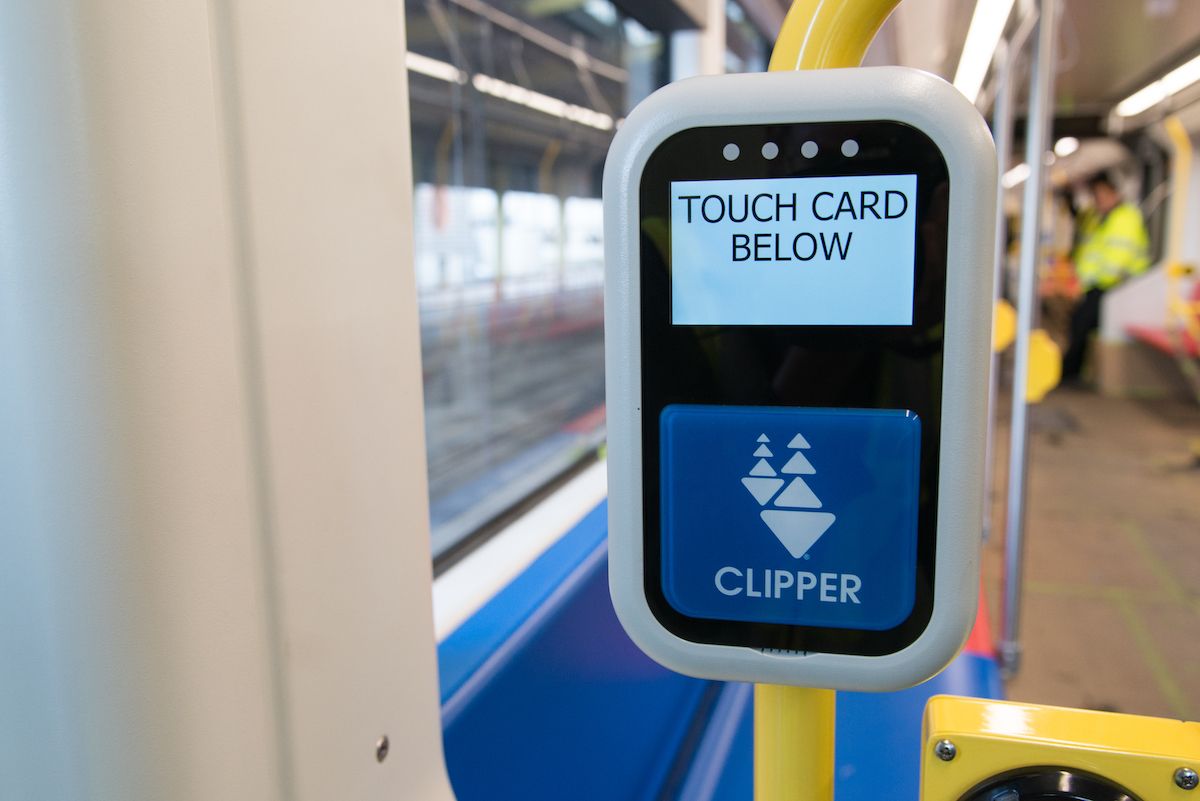
Clipper, the electronic fare-payment system accepted by all of the Bay Area's approximately two dozen transportation agencies, is rolling out new features this month designed to save riders money and modernize how they pay for transit. Next-generation Clipper arrives Tuesday, with perks like discounted transfers, the option to pay with a contactless credit or debit card and instant availability of funds added to accounts.
As a non-profit publication, Streetsblog San Francisco relies on reader donations to maintain our high quality of reporting. If you don't need to read anymore, you can start by clicking to go directly to our donorbox page or to see all of our donation options. As we look ahead to 2026, we're asking for your support to keep Streetsblog San Francisco strong, independent, and focused on the issues that shape mobility and equity in the Bay Area.
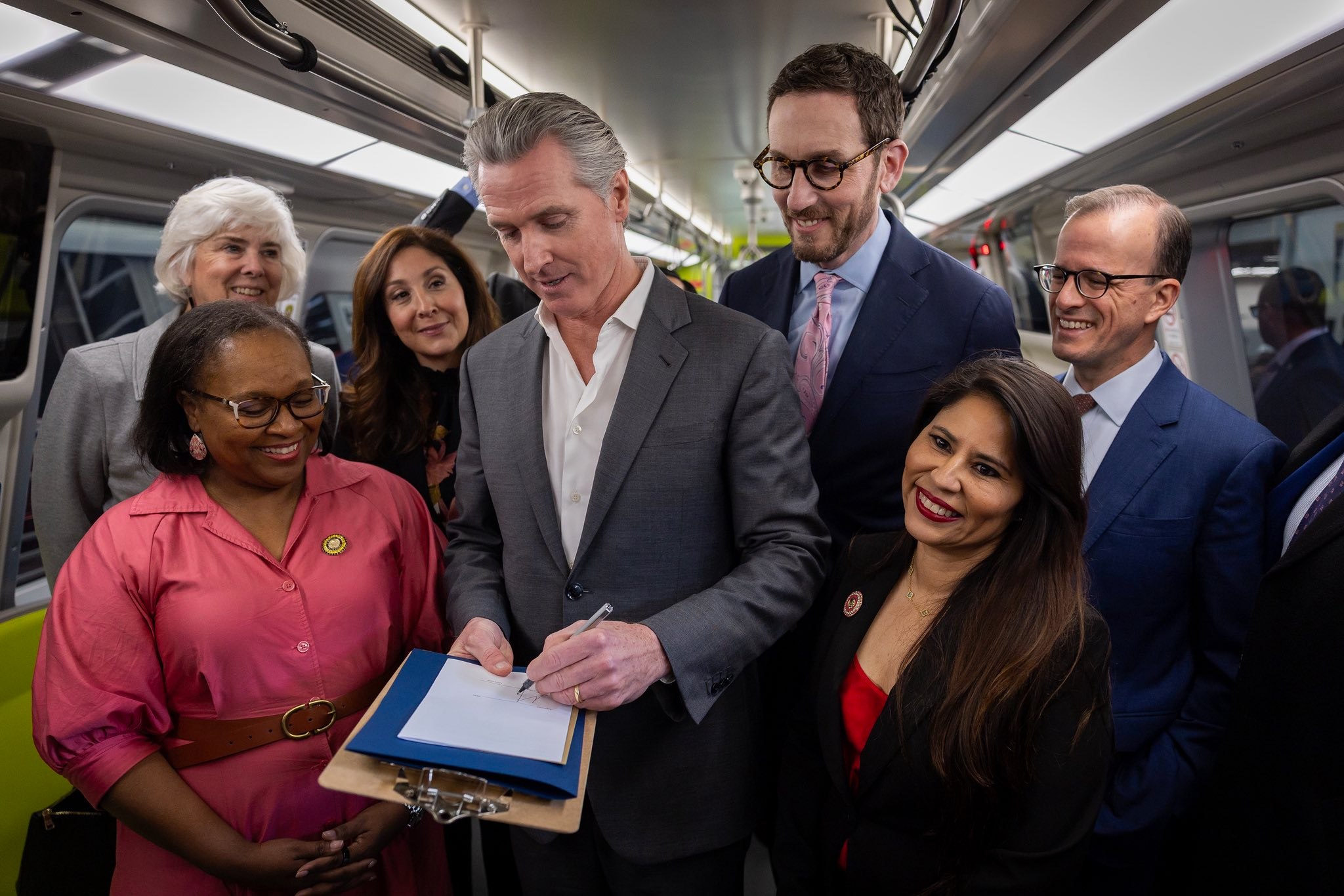
A sales tax increase to fund the Bay Area's struggling transit systems appears to be headed to the ballot in November 2026. The California Legislature up against its deadline to pass bills last Friday approved SB 63, which allows a ballot measure to move forward, ending a multiyear political debate over how to make up for pandemic revenue loss across systems like BART, Muni, and Caltrain - and who should pay for it.
"Students [will] save a median of $58 per month for all their transit needs... students will use the all-you-can-eat pass frequently because they typically live further from campus."