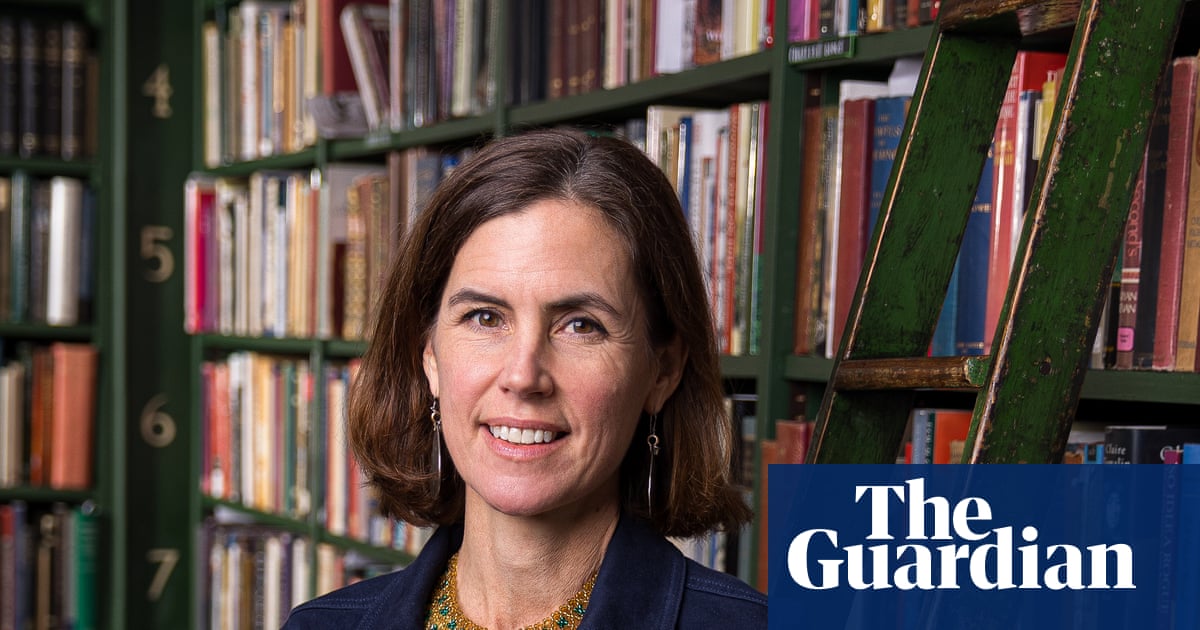
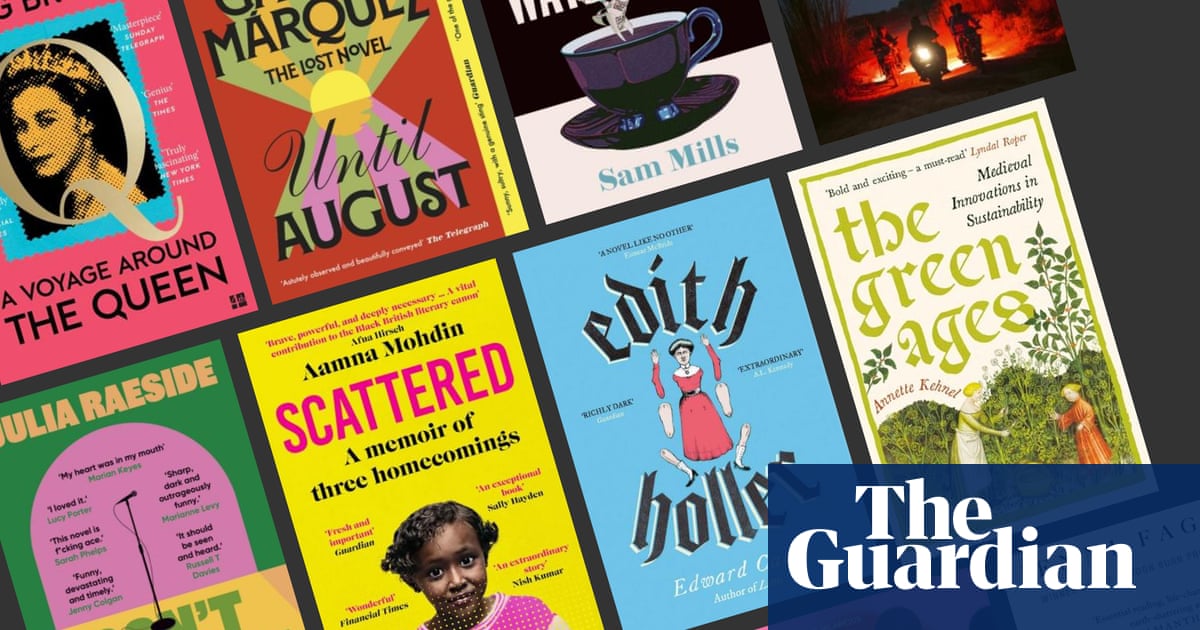
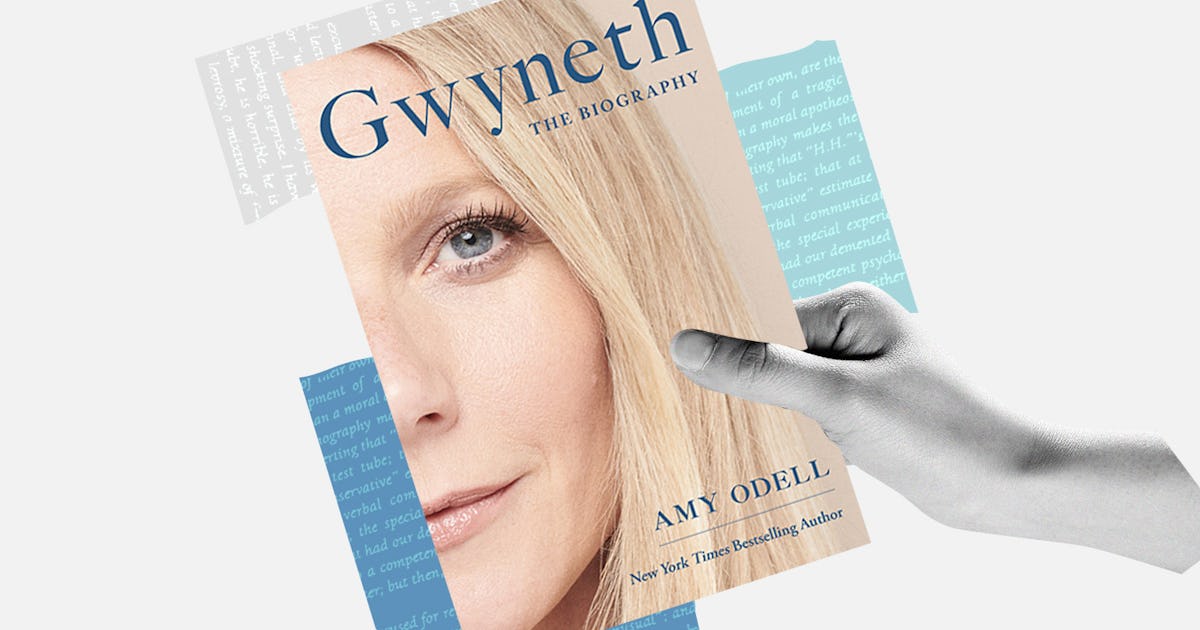
Deliberating over the Atlantic 10 list is, in some ways, a test of memory. Does a novel we read in January still thrill us? Does the reportage that impressed us midyear still feel surprising when we turn back to it in the fall? We're asking ourselves, in short, which books have kept our attention, sometimes months after we've first encountered them.
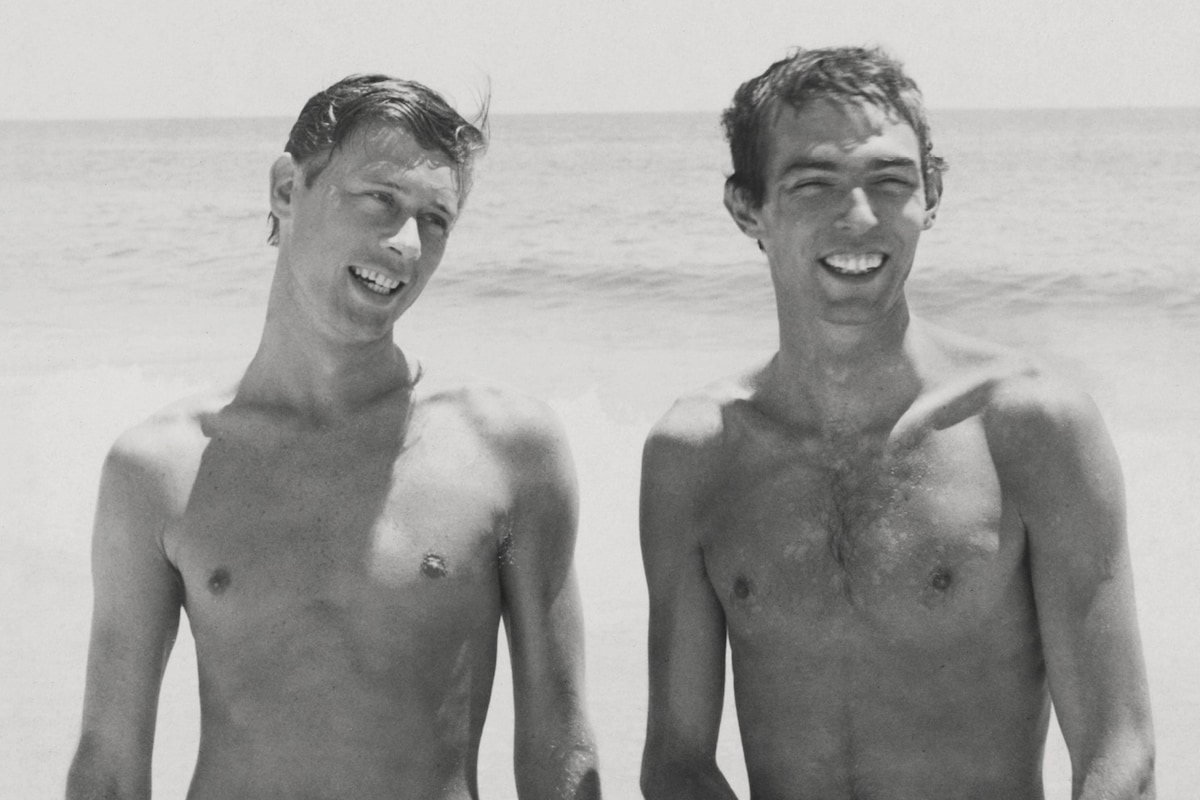
In the moving obituary, Messerly's family wrote that he would be remembered for his "kindness, big smile, and silly natured personality". "Rhett attended Weber High School and was known as the 'goofball' to his peers, the 'handsome boy with nice muscles' to all the girls," the obituary reads. "He always had a way of bringing a smile and laughter to those who knew him. Most importantly, he will be remembered for his incredible capacity to help others."
most of the propositions I'm interested in have been kidnapped and dressed up by academic philosophy, but they are in fact the kind of proposition that would occur to any intelligent person in his bath.
Stoppard wrote erudite plays that touched on a broad range of topics from his 1966 absurdist comedy Rosencrantz and Guildenstern Are Dead about two minor characters from Hamlet to his 1993 drama Arcadia which included dialogue about Chaos Theory and Garden Landscaping. But when Arcadia opened in New York, Stoppard told me his plays were always about people, not abstract ideas.
Robert S. McNamara was widely considered to be one of the most brilliant men of his generation. He was an invaluable ally of Presidents John F. Kennedy and Lyndon B. Johnson as their secretary of defense, and he had a deeply moving relationship with Jackie Kennedy. But to the country, McNamara was the leading advocate for American escalation in Vietnam.
When biographer Amanda Vaill read Ron Chernow's Alexander Hamilton (2004), her first thought, she said in a recent interview, was "Oh! Somebody should write about Hamilton's wife and her sister! He's married to Eliza but seems to be attracted to Angelica!" But, Vaill added, "I was in the middle of a book of my own, so it wasn't going to be me."
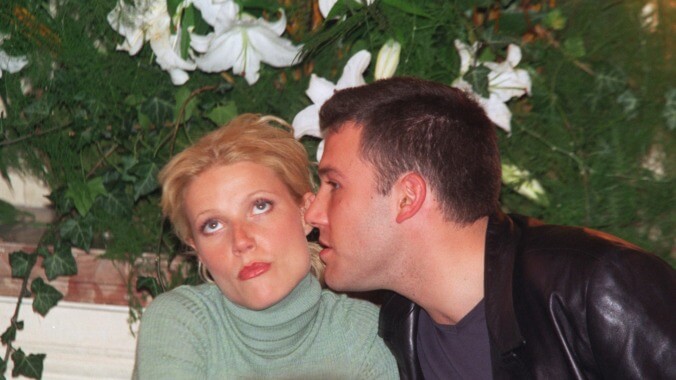
"You know, when you do a celebrity bio there's a certain kind of format," he says on a recent afternoon in a downtown Los Angeles bookstore, where outside at one point gunshots and police sirens interrupted the calm inside. "The mission is to dig up all the dirt you can. The essential narrative is, 'This person wasn't an angel.'"
Wild Swans, first published in 1991 and written by Jung Chang with the help of her husband, Irish-born historian and writer Jon Halliday, had a global impact few authors dare to dream of. It told the story of three generations of women in 20th-century China Chang's grandmother, her mother and herself and became one of the most popular nonfiction books in history, selling more than 13m copies in 37 languages and collecting a fistful of awards and commendations.
Gone are the heady days of the beach read, summarily swapped for the kinds of books a school board can really get behind. At least, that's true for the lucky folks who still get to make learning their primary occupation. For everyone else, there's a consolation for the drudgery of the day job: those happy off-hours when, instead of The Great Gatsby, say, you can still crack open whatever you darn well please.
The biography 'The House of Beckham' by Tom Bower reveals the Beckhams' tarnished image, painting them as desperate for acceptance and recognition, particularly a knighthood.
Dr Emile J Dillon, War Writer, Dead" was the main headline on a New York Times article published on June 10, 1933. "Former Correspondent of the London Telegraph: Noted as Scholarly Journalist," a secondary headline recorded. An obituary in the Irish Independent described Dillon as 'a famous figure' who had once been 'the best-informed man in Europe.'