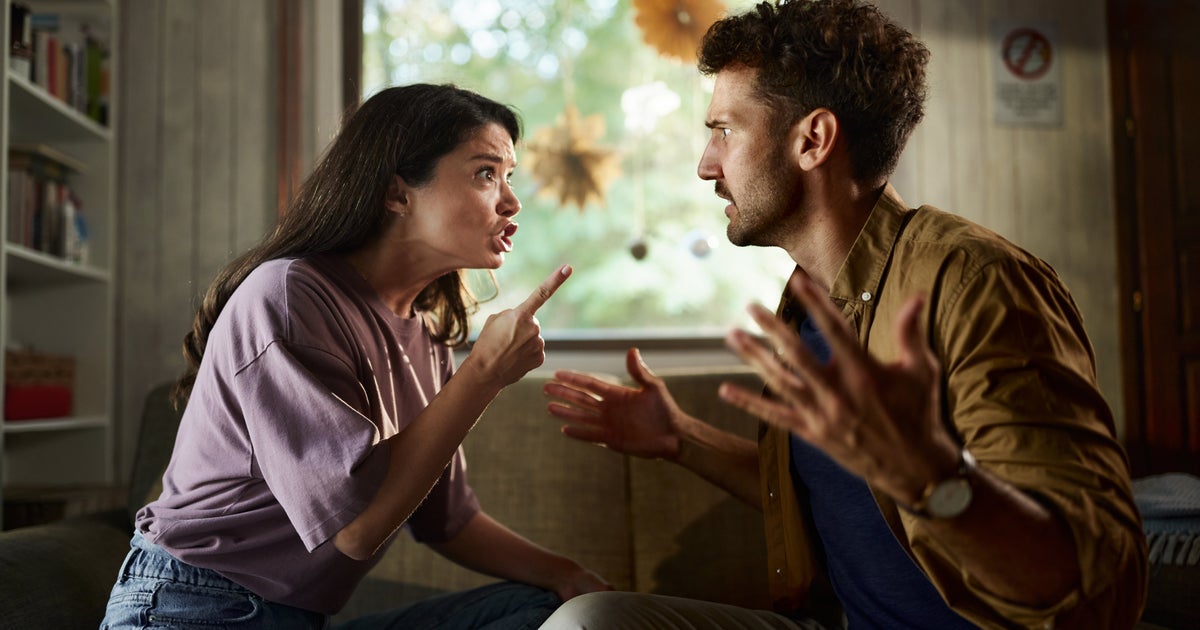
Well, yes mom. I did. Why? I didn't know how to say no. Hell, "no" wasn't even in my repertoire. I did whatever I needed to keep the peace. Keep a good GPA. Keep money in my bank account. But now my inability to set a boundary when it came to honoring my own happiness was officially catching up. After six years of marriage, the truth of never wanting an "I do" in the first place had crept up in a myriad of ways,
This entire year has been a struggle for me. I'm a freelancer, and business is down dramatically. I can hardly pay my bills. I rarely talk about it, but the holidays are approaching, and I cannot show up the way I usually do with gifts for everyone. I barely have the cash to get to my hometown to be with the family. The thing is, everyone thinks of me as the successful one, the one who moved to the big city and made it.
I have a client in her 40s who has just finalized her divorce from her husband. They had met at the soccer field where they both played adult league recreational soccer, and their friendship grew into a marriage proposal and then a union that lasted almost 20 years. She shared that the divorce was a mutual decision that wasn't based on hostility in the relationship, just the changes they'd experienced as they matured.
For more than a decade, I managed the national advertising program for a large life insurance company. During that time, I had an odd secret desire. I wanted to manage national advertising for a coffee company. Why? Because I had already made up the tagline for my imaginary campaign: "The fuel of business." The corporation I worked for (in real life, not my imagination) had a huge headquarters with an excellent cafeteria, with its main attraction being a vast row of gleaming silver coffee machines.
Have you ever felt like your brain was one of those viral egg experiments, cracked open and sizzling on a bare sidewalk that was truly, much too hot? You may have been experiencing signs of burnout (and dehydration). As an introverted professional, I've been there as well, many times in my career. Over the years, I've developed healthy reflective coping methods to recharge my batteries and prevent (or at least combat) that intense feeling of overwhelm.
The holiday season can stir up a complex blend of excitement and dread, especially for people in eating disorder recovery. Food-centered gatherings, shifting routines, unsolicited comments about bodies, and long-standing family dynamics can activate anxiety even when your recovery feels steady. Being anxious does not mean you are failing. It means you are human. Recovery is hard work on an ordinary day. It takes effort, attention, and support even when life is calm.
Nobody warned me about the awkward phase with parents. For me, it was the period right after college that included landing my first important, non-internship job, taking control of my finances, and eventually moving out. I was a full-fledged adult - by society's standards. At work, I fit the bill. I was patient, poised, and responsible, always communicating respectfully, pulling my own weight, and holding myself accountable for mistakes.
Something general and meaningless can help divert small talk such as this. Oh, not sure or Enjoying it, I hope or This and that. These are empty-calorie phrases that keep the ball in the air without forcing you to divulge anything you don't want to divulge. It's also helpful to keep the context of these questions in mind. These people aren't prying. As you said, they're trained to make small talk so that customers feel comfortable. Depersonalizing the ask can help.
Unmatch, unswipe, un-whatever-you-need-to-do. Yes, things happen; days get unmanageable; kids have minor crises. But the upside of being in this age where we're perpetually reachable at all hours is that when something unexpected happens, we can communicate about it. You're connected to this man through three platforms now text, the old app, and the new app. And yet he couldn't find a way to say the simplest thing on the day of the coffee: I'm not going to make it. I'm sorry for keeping you.
My father's voice still rings in my mind: "Don't do a half-ass job." He meant to teach discipline and integrity, and I took it to heart. But somewhere along the way, that lesson evolved into a rule: If I wasn't giving everything, I wasn't enough. If I slowed down, I feared slipping. And so I kept accelerating, one foot pressed firmly on the gas, unsure how to ease off.
I took my 5-year-old daughter to the neighborhood park today. Invited a friend and his girls, ages 6 and 2. Usually our kids play very well together. At the park we ran into a girl who we've played with before. Let's call her Denise. She's 10 and comes to the park by herself. We're not sure where she lives, but it must be within walking distance. But that's not my only problem with her.
When Maia takes Tallulah out for coffee, she can barely say, "I want to talk to you about your career," before making fun of herself. Then, as she tries to launch into a pitch for "getting into the health and fitness space," her first task instead becomes keeping Tallulah from getting arrested. When athleisure blonde Paulena (Annalisa Cochrane) looks across the coffee shop and recognizes Tallulah, she makes a huge scene asking for her Balenciaga bag back.
When we talk about leadership, the focus is almost always on what you do. Communication. Influence. Strategic thinking. Decision-making. Performance.But the foundation that holds all of those things together, and that determines how well you can actually show up for them, is often overlooked: Your energy.We see this every day in our coaching and Women Rising programs. Brilliant, capable women who know what's required of them but are too depleted to consistently deliver at the level they expect of themselves.