#civil-society
#civil-society
[ follow ]

#democracy


Left-wing politics
fromNonprofit Quarterly | Civic News. Empowering Nonprofits. Advancing Justice.
1 month agoHow to Undermine Authoritarian Control: On Empowering Parallel Institutions | Nonprofit Quarterly | Civic News. Empowering Nonprofits. Advancing Justice.
Civil society must demonstrate the necessity of democratic institutions and social services to protect them from dismantling efforts by ultra-elites.
Social justice
fromNonprofit Quarterly | Civic News. Empowering Nonprofits. Advancing Justice.
1 month agoHope in the Dark: Four Tests for the Pro-Democracy Movement in 2026 | Nonprofit Quarterly | Civic News. Empowering Nonprofits. Advancing Justice.
Active hope is essential for shaping a brighter future for democracy amidst current challenges.
fromwww.mercurynews.com
3 months agoRoper: How Minnesota's civic culture fueled a tough ICE resistance and took the feds by surprise
Blanche and all the others have been blaming Gov. Tim Walz and Mayor Jacob Frey. Alternatively, they smear paid agitators. But the federal cowboys who flooded Minnesota streets actually ran headfirst into the state's formidable civil society a network of civically engaged people and organizations that makes this a risky place for the federal government to pick a fight with its own citizens.
US politics


fromIrish Independent
4 months agoPoverty, AI and migration discussed as Seamus Boland has 'extraordinary honour' of audience with Pope Leo XIV
Mr Boland told the Irish Independent it was "an extraordinary honour" to meet with the Pope, who he said expressed empathy across the range of topics they discussed. "I met a very human Pope, a very human person, a person who seriously cares about people in disadvantage," he said. "He clearly had empathy with my mandate, which is to bring civil society to the heart of Europe in terms of policy making."
Miscellaneous
fromwww.mediaite.com
4 months agoFox News' Mark Levin Warns That Evil and Hatred' Must Be Beat Back Before a Red Line Is Crossed'
Like me and some others, Victor has discussed and written about the Islamist and neo-fascist threat facing both parties and our country and its spread throughout the world, continued Levin. We are not alone in our deep concern about what is happening. But I often wonder, why are there not many more voices, people who I know and have known for years, who've been outspoken about other threats to our nation, speaking out now?
Right-wing politics
fromIndependent
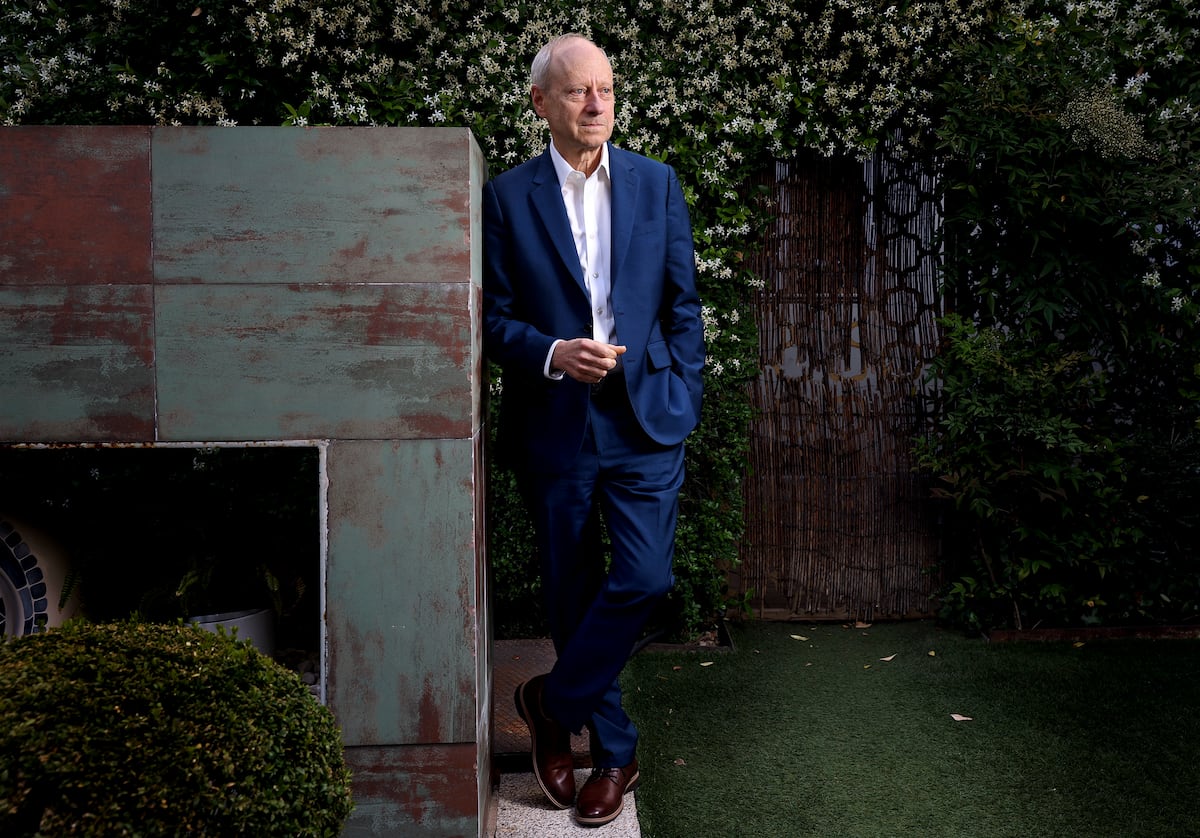
4 months agoThis Working Life with Seamus Boland: 'I've spent my entire life fighting injustice and poverty. I'm not going to come up with a sexy new idea now'
The president of the European Economic and Social Committee, tells Mary McCarthy about how much he enjoys his work - and how he still makes time to help on the farm at weekends In October, I was elected president of the European Economic and Social Committee (EESC), one of the five EU institutions created by the Treaty of Rome in the 1950s.
Miscellaneous
Europe politics
fromwww.theguardian.com
5 months agoThe Great European Bake-Off: if the EU wants closer integration, how about using pop culture? | Paula Erizanu
The EU is changing its enlargement outreach to engage citizens through everyday cultural diplomacy and civil-society outreach, making accession feel more tangible in candidate countries.


fromNonprofit Quarterly | Civic News. Empowering Nonprofits. Advancing Justice.
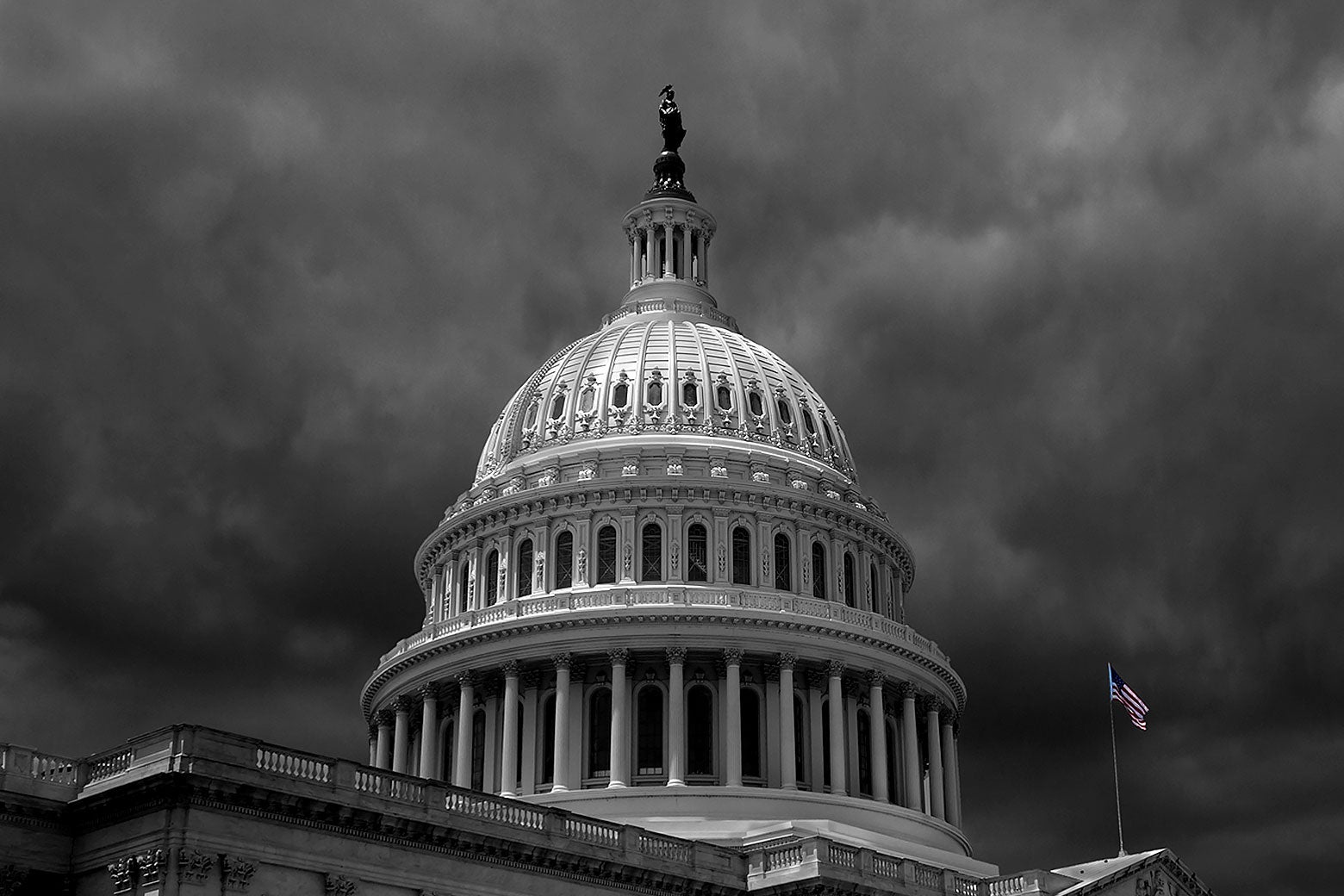
5 months agoLessons of Resistance: How Activists Navigated Hoover's FBI and Political Scrutiny | Nonprofit Quarterly | Civic News. Empowering Nonprofits. Advancing Justice.
In September 2025, Donald Trump signed an executive order labeling "antifa"—short for "antifascism"—a domestic terrorist threat. Around the same time, Trump issued a presidential memorandum known as NSPM-7, which identifies "anti-Americanism," "anti-capitalism," "anti-Christianity," and "extremism on migration, race, and gender" as indicators of potential violence. The memorandum directs the secretaries of the Department of the Treasury and the Department of Homeland Security, along with the attorney general, to "investigate and disrupt networks, entities, and organizations" that support antifascist organizing.
US politics
fromNonprofit Quarterly | Civic News. Empowering Nonprofits. Advancing Justice.
5 months agoMeeting "Flood the Zone" with "Rule-of-Law Shock and Awe" | Nonprofit Quarterly | Civic News. Empowering Nonprofits. Advancing Justice.
Perryman said the stakes go beyond courtroom victories. The real challenge is demonstrating that the public truly holds the power to counter and often stop the White House's seemingly unstoppable march toward authoritarian rule. "The real thing for us was, how are we going to show people that you actually still get to be in charge in your country-the people get to be in charge," Perryman told moderator and host of the podcast Pod Save America, Jon Favreau.
US politics
World news
fromwww.theguardian.com
5 months agoThis Palestinian human rights group was sanctioned by Trump. Its chief wishes US allies would take a stand
US sanctions on Al-Haq severed funding, closed bank accounts, removed online videos, and silenced US collaborators, severely constraining the group's operations.
fromwww.theguardian.com
6 months agoWives, mothers, fighters, activists: the millennial women keeping Ukraine going
Ukraine is increasingly a country held together, behind the military lines, by women. Those in their 30s millennial women born into an independent Ukraine, raised in economic turbulence and thrust into adulthood on the wave of revolution and war are shouldering huge burdens of responsibility. They are fundraising for the army, or sometimes serving in it. They are running civil society organisations, advocating for their country abroad and becoming activists.
Miscellaneous
fromThe Atlantic
8 months agoUkraine's Fight Is Far From Over
It's easy to take democracy and civil society for granted when it's all you have known. Americans are aware of the repression and brutality in faraway lands. But for most, autocracy is a word: not a threat, not a way of life. If you are born in an unfree state-like my guest, Oleksandra Matviichuk, and I were-it is a different story. We were both born in the Союз Советских Социалистических Республик, known to you as the U.S.S.R., Union of Soviet Socialist Republics.
Miscellaneous


fromwww.dw.com
9 months agoAfter huge US cuts, who pays for aid in the Middle East now? DW 07/15/2025
"Nobody really knows what's happening," one project manager running a Syria-based project told DW about the US cuts in aid funding. "They haven't put a complete stop to it yet so we're just spending the money on a monthly basis and hoping for the best."
US politics
US politics
fromwww.theguardian.com
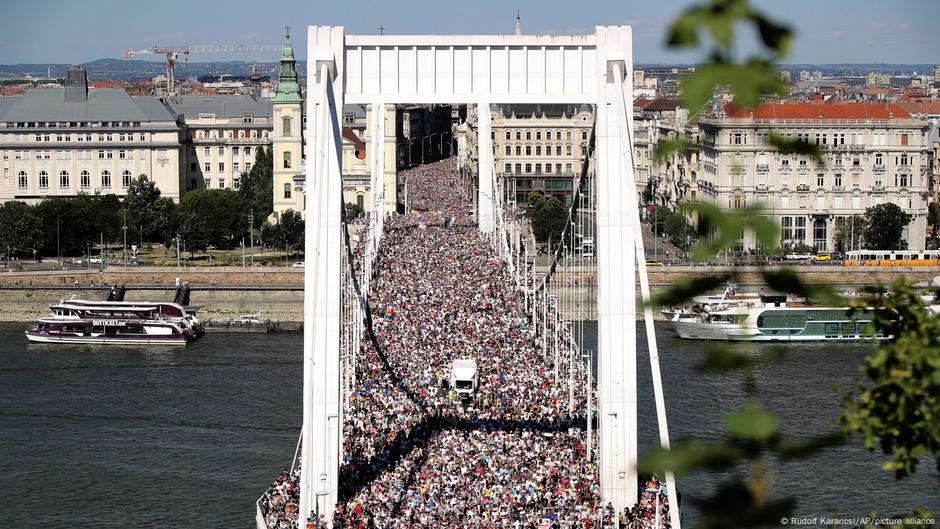
10 months agoFive years on, Hong Kong's national security law extinguishes last standing pro-democracy party
The League of Social Democrats, Hong Kong's last active pro-democracy party, officially disbanded due to overwhelming political pressure and the national security law.
US politics
fromwww.theguardian.com
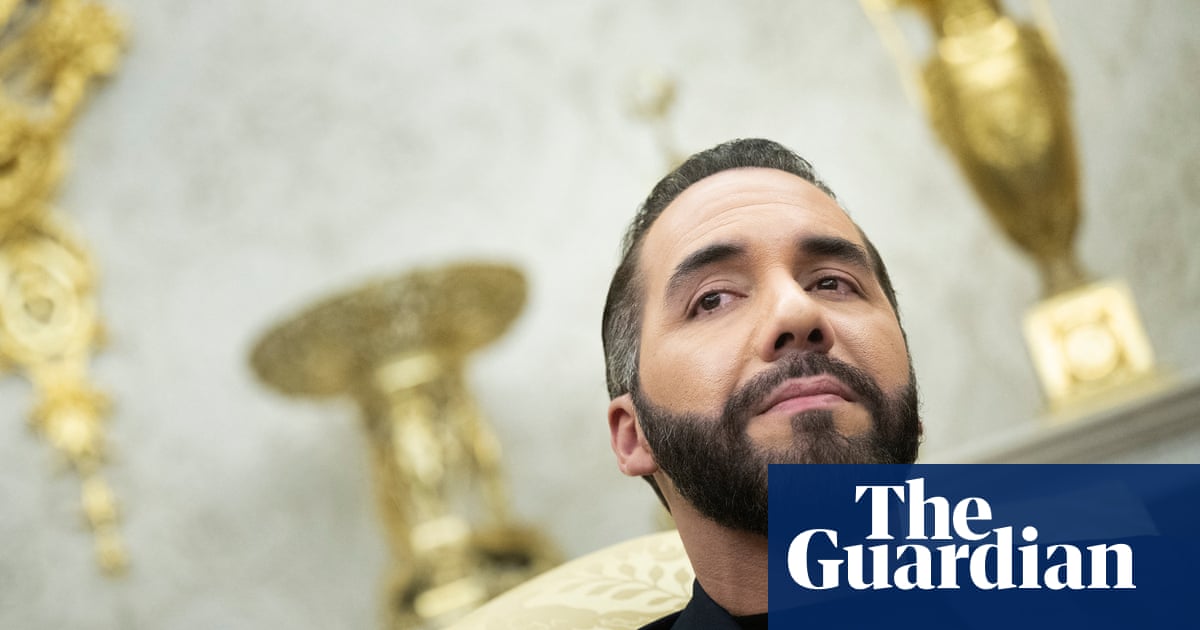
10 months agoThe Iranian people were starting to win their battle for liberty and prosperity. Then Israel attacked | Esfandyar Batmanghelidj
Israel's military actions are seen as detrimental to Iran's progress, contradicting the potential for political and societal improvement within the country.

Europe politics
fromwww.dw.com
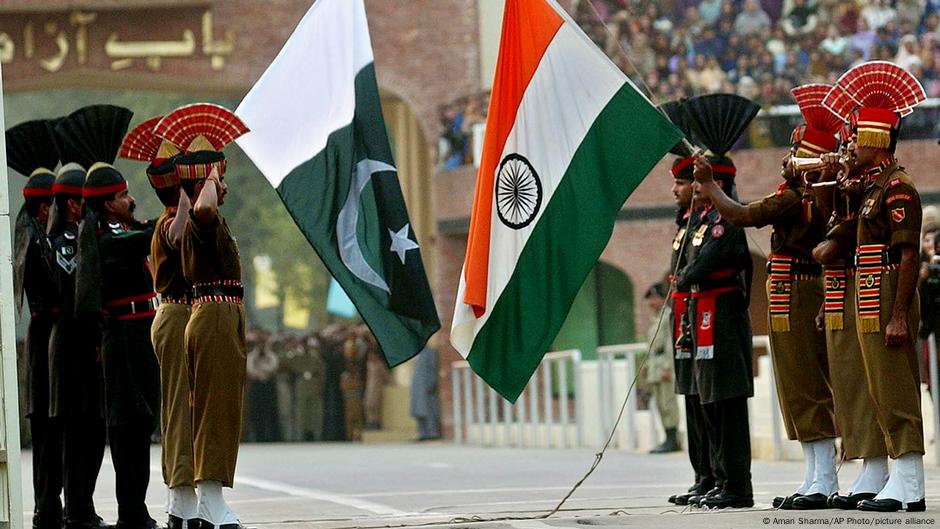
11 months agoGreenpeace in court: Romania takes aim at environmental NGOs DW 06/10/2025
The Romanian government is escalating efforts against civil society critics, particularly targeting Greenpeace Romania through legal action supported by the state-owned Romgaz energy company.
Non-profit organizations
fromSlate Magazine
11 months agoThe Trump Tax Bill Is Full of Threats to Elite Universities. It's Even Worse Than It Seems.
Tax provisions in a new bill threaten the nonprofit sector, reshaping government relations and policy.
The university endowment tax has previously been narrowly targeted but may have broader implications for tax-exempt organizations.
Online Community Development
fromNon Profit News | Nonprofit Quarterly
11 months agoBlock, Bridge, and Build: A Framework to Forge a More Democratic Future - Non Profit News | Nonprofit Quarterly
Collective action through the Block-Bridge-Build framework is essential to combat social and political challenges.
fromwww.aljazeera.com
1 year agoTwo years into Sudan's war, where is its civil society?
When Sudan's paramilitary Rapid Support Forces (RSF) took over most of the country's capital Khartoum in the early days of the war, the youth-led civil society initiative Hadhreen kept its food kitchens open.
Social justice
[ Load more ]