So, she figures it's best to keep her voice down. I hope Masur, who documents life in the Cotswolds on Instagram for her 13,700 followers, can help me understand why this area has become a hot spot for transatlantic elites in recent years. I want to know how locals are reacting as old British money and new international money meet and - as the American "invasion" headlines in the British press suggest - clash.
This 15th-century inn is a balancing act of old bones and contemporary attitude. Sloping floors, exposed beams and stone fireplaces meet clean modern lines, warm lighting and an outrageous art collection. You turn a corner and find a Basquiat staring across at a Warhol; a quick detour and there's Dali, Bacon, Hirst and many, many more. It's curated yet still feels comfortable and homely.
Before I moved to the UK with my husband and family, I had visited once before on a cycling trip with my church group. Even as a 16-year-old, I had a sense that I would one day return and that it was where I belonged. I'd seen all of the Jane Austen adaptations with my Anglophile grandmother, and my husband and I had watched Downton Abbey.
I moved to the Hamptons, in spite of it being the Hamptons, and later to the Cotswolds, in spite of it being the "Hamptons of England." The status-symbol side of these places was never what drew me in. The Hamptons and the Cotswolds are completely different from one another, but there's a reason they're both so popular: They're fantastic. They have beautiful houses, interesting people, and great restaurants and stores.
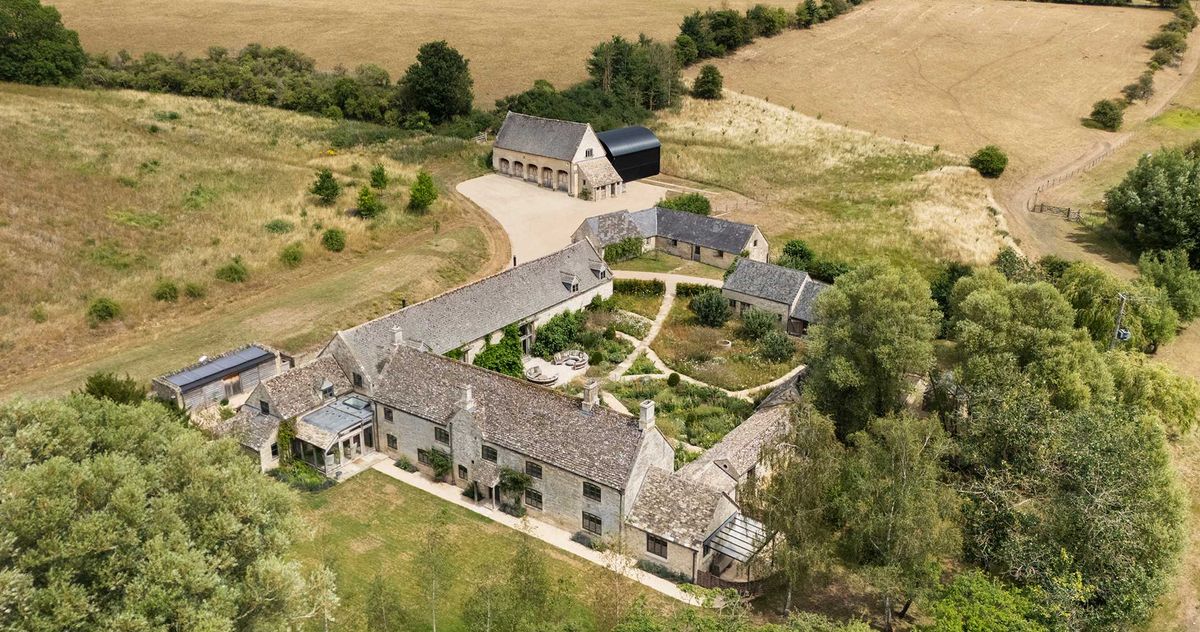
When my husband and I were deciding where to go on our minimoon, we thought the Cotswolds would be perfect. The rural area to the west of England is known for its quintessential countryside charm: brown stone cottages, cosy pubs, and rolling hills. We'd both visited a few times and enjoyed it. But when we found ourselves struggling to move for tourists with selfie sticks (apparently still a thing) and paying £16 ($22) for a coffee and a very disappointing grilled cheese, we realized the area might have become a victim of its own success.
The Fish, situated on the 500-acre Farncombe Estate, offers a unique blend of a rustic Cotswolds experience with innovative luxury accommodations like their Hideaway Huts.