#defense-department
#defense-department
[ follow ]
#pentagon




US politics
fromwww.mediaite.com
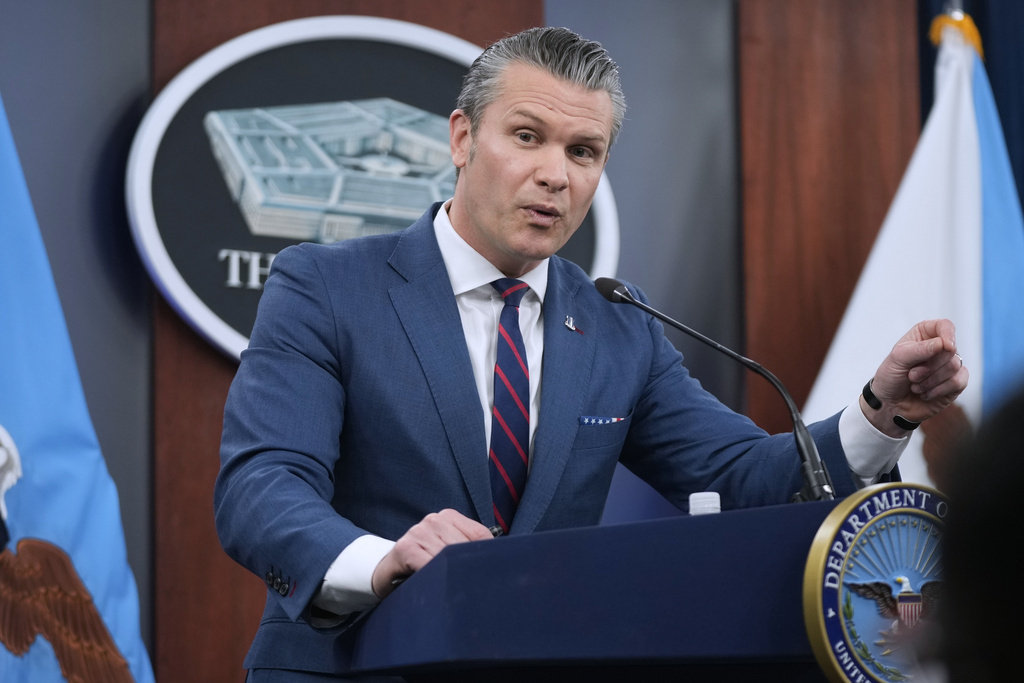
1 year agoPete Hegseth Defiantly Blames Deep State' for Pentagon Dysfunction and Leaks: They've Come for Me Since Day 1!'
Secretary of Defense Pete Hegseth defends his tenure amidst internal turmoil, denying allegations of misconduct and blaming others for the Pentagon's dysfunction.



fromwww.mediaite.com
2 months agoPete Hegseth Rips CNN, Cheers David Ellison Takeover
For example, a banner or a headline, Mideast War intensifies, splashing on the screen the last couple of days alongside visuals of civilian or energy targets that Iran has because that's what they do. What should the banner read instead? How about Iran increasingly desperate?. Because they are. They know it, and so do you, if it can be admitted.
Media industry
US politics
fromwww.mediaite.com
2 months agoMS NOW's Jen Psaki Bashes Hegseth With Booze-Soaked Video Receipt in Rant on Unflattering Photo' Ban
The Pentagon banned press photographers from briefing rooms after unflattering photos of Secretary of Defense Pete Hegseth emerged during a briefing about potential military action in Iran.
fromwww.mediaite.com
2 months agoPete Hegseth's Defense Department Blew $22M On Steak and Lobster in a Single Month, Watchdog Claims
According to an analysis by nonprofit watchdog Open the Books, Hegseth's DoD spent $93.4 billion on grants and contracts in Sept. 2025 alone—nearly 50 percent of which was expended in the last five business days of the month. Per the analysis by Open the Books, in September, the Pentagon spent $2 million on Alaskan king crab, $6.9 million on lobster tail, $15.1 million on ribeye steak, and $1 million on salmon.
Washington DC
Intellectual property law
fromNextgov.com
2 months agoAnthropic sues over a dozen federal agencies and government leaders
Anthropic sued federal agencies and leaders for allegedly retaliating against the company for refusing to modify Claude's terms of use for Department of Defense surveillance and autonomous weapons applications.
Intellectual property law
fromTechCrunch
2 months agoMicrosoft: Anthropic Claude remains available to customers except the Defense Department | TechCrunch
Microsoft confirmed that Anthropic's Claude models will remain available to enterprise and startup customers despite the Pentagon's supply-chain risk designation against Anthropic.
fromThe Washington Post
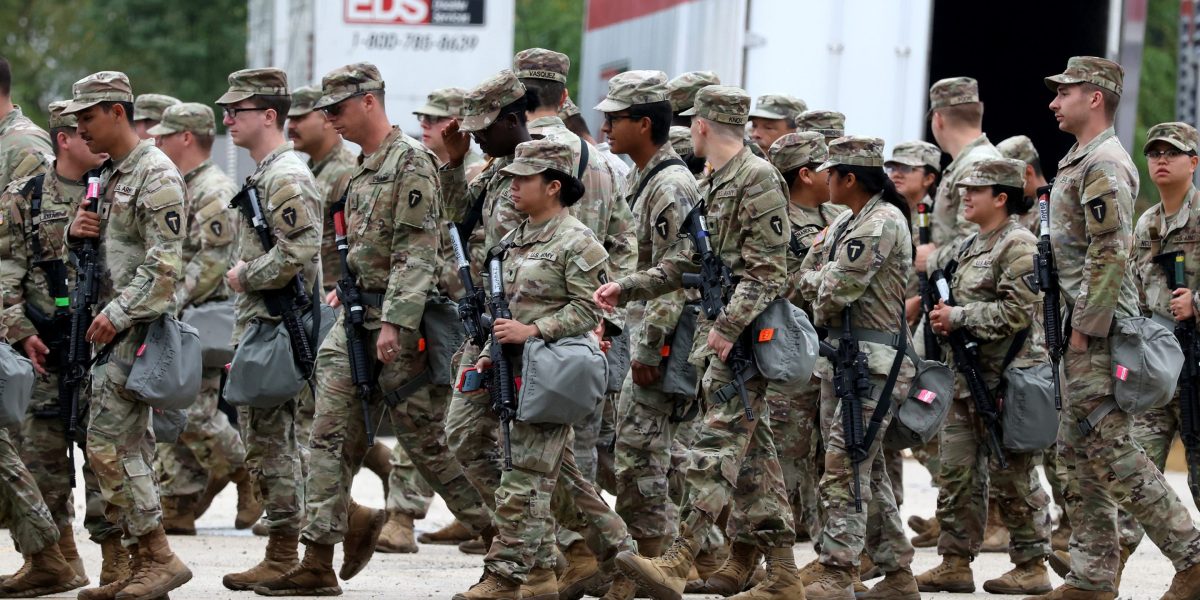
2 months agoArmy unit's moves trigger speculation as U.S. plots next steps in Iran war
The 82nd Airborne Division at Fort Bragg in North Carolina includes a brigade combat team of about 4,000 to 5,000 soldiers ready to deploy on 18 hours notice for missions as varied as seizing airfields and other critical infrastructure, reinforcing U.S. embassies and enabling emergency evacuations.
US politics

fromwww.mediaite.com
2 months agoWATCH: Iranian Warship Sunk by U.S. Torpedo in What Hegseth Called Quiet Death'
In the Indian Ocean and we'll play it on the screen there an American submarine sunk an Iranian warship that thought it was safe in international waters. Instead, it was sunk by a torpedo. Quiet death.
World news
#ai-safety


Artificial intelligence
fromBusiness Insider
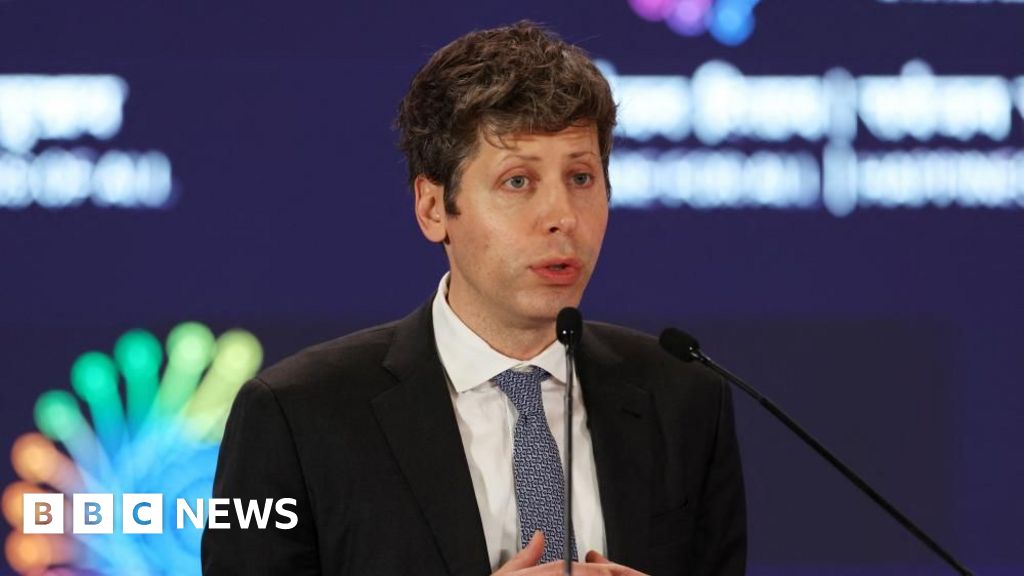
2 months agoHere's what current and former OpenAI employees are saying about the company's Pentagon deal
OpenAI signed a Department of Defense agreement with safety guardrails, while Anthropic rejected similar government terms over concerns about mass surveillance and autonomous weapons deployment.
#pentagon-policy
Higher education
fromBoston.com
2 months agoCiting 'wokeness,' Pentagon cancels military fellowships at New England schools like MIT and Tufts
The Pentagon is ending military fellowship programs at 13 elite universities, citing concerns about leftist ideology and anti-American sentiment, while redirecting partnerships to state schools emphasizing intellectual freedom.
Higher education
fromBoston.com
2 months agoCiting 'wokeness,' Pentagon cancels military fellowships at New England schools like MIT and Tufts
The Pentagon is ending military fellowship programs at 13 elite universities, citing concerns about leftist ideology and anti-American sentiment, while redirecting partnerships to state schools emphasizing intellectual freedom.
fromInside Higher Ed | Higher Education News, Events and Jobs
2 months agoPentagon Cancels Fellowships at 13 "Elite" U.S. Colleges
For decades the Ivy League and similar institutions have gorged themselves on a trust fund of American taxpayer dollars only to become factories of anti-American resentment and military disdain. We cannot and will not continue to send our most capable officers, senior officers, into graduate programs that undermine the very values they have sworn to uphold.
Higher education



fromBusiness Insider
3 months agoThe Marines pulled off another clean audit. The rest of the US military still hasn't.
The Department of Defense, which was recently authorized to receive a new annual budget of nearly $840 billion a year and could see a substantial increase to $1.5 trillion under the current Trump administration, has consistently failed to pass an audit since audits became legally required for the military in 2018. Pentagon officials hope the military can get its books in order across the services and pass one by 2028.
US politics
US politics
fromAbove the Law
5 months agoPentagon Unveils New GenAI Platform, It Immediately Starts Flagging Pete Hegseth's War Crimes - Above the Law
GenAi.mil, the Defense Department’s new AI, answered a Geneva Conventions legal question swiftly, highlighting military reliance on AI and concerns about funding.
fromAxios
5 months agoU.S. military to use Google Gemini for new AI platform
"The future of American warfare is here, and it's spelled A-I," Defense Secretary Pete Hegseth said in a video posted on X. Driving the news: The Defense Department said Tuesday it will deploy Gemini for Government through the new GenAI.mil platform so employees can use it on their work computers. Pentagon employees can use Gemini in the new platform to "conduct deep research, format documents and even analyze video or imagery in unprecedented speed," Hegseth said in the video.
Artificial intelligence
fromwww.mediaite.com
6 months agoHere Are The 15 Remaining Reporters Inside the Pentagon Including 3 From Turkish State Media
The Washington Post's media reporter Scott Nover detailed exactly who was left to cover the largest government agency. Pro-MAGA outlets The Federalist, the Epoch Times, and OAN all signed Hegseth's pledge, which said that journalists are banned from soliciting or obtaining any information that is not pre-approved by the Pentagon. Nover reported on the other remaining people in the building: A reporter for the Turkish newspaper Aksam signed the agreement, as did three individuals from the Turkish state-run Anadolu Agency and two Turkish freelancers.
US politics

fromBreaking Defense
7 months agoPentagon's small business innovation fund in jeopardy
Proponents say it's an initiative with a proven track record of success, and that allowing funding to lapse permanently or enact reforms too aggressively will do irreparable damage to the small defense business ecosystem. But critics say it is not fulfilling its mandate, and that changes are needed to bring in new entrants and ensure repeat awardees eventually "graduate" from the program.
US politics
fromAxios
7 months agoScoop: Pentagon restricts speaking engagements alongside media crackdown
The memo arrived around the same time the Defense Department rolled out new media guidelines that require reporters to sign a pledge not to gather any information that hasn't been officially authorized for release, or risk losing their press credentials. Zoom in: The Sept. 15 memo to senior Pentagon leadership, combatant commanders and other national-security leaders lays out what is and what isn't subject to an "enhanced framework for participating in external engagements."
US politics


fromNextgov.com
9 months agoMicrosoft ends use of China-based engineers to patch DOD systems
The IT servicing model - where the digital escorts serve as a go-between connecting foreign engineers' tech fixes to the systems that need patching - could open some of the most sensitive U.S. national security and military secrets to China, according to the report.
Privacy professionals
#trump-administration


US politics
fromwww.mediaite.com
11 months ago'No Fat Soldiers': Bombshell Report Says Troops Attending Trump Rally Were Pre-Screened Based on MAGA Loyalty And Good Looks
The Trump Administration curated soldiers' appearances based on political alignment for a public event, undermining military neutrality.

US politics
fromwww.mediaite.com
11 months ago'No Fat Soldiers': Bombshell Report Says Troops Attending Trump Rally Were Pre-Screened Based on MAGA Loyalty And Good Looks
The Trump Administration curated soldiers' appearances based on political alignment for a public event, undermining military neutrality.

fromwww.dw.com
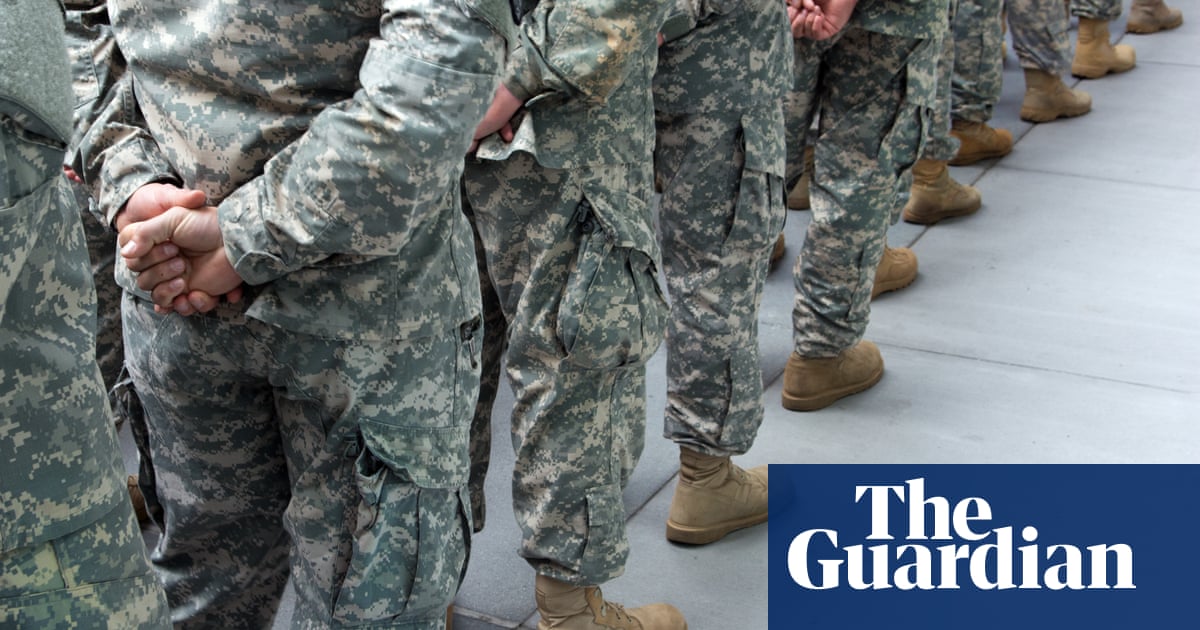
11 months agoUS updates: Hegseth restricts Pentagon reporting DW 05/24/2025
"While the Department remains committed to transparency, the Department is equally obligated to protect CSNI (classified intelligence) and sensitive information the unauthorized disclosure of which could put the lives of US Service members in danger."
US news


Right-wing politics
fromwww.mediaite.com
1 year agoFox's Maria Bartiromo Grills Mike Waltz About Pete Hegseth
Chaos at the Pentagon raises concerns about peace negotiations with Russia and Ukraine under Defense Secretary Pete Hegseth.
National Security Advisor Mike Waltz points to a shift from focusing on social issues to military effectiveness in just over three months.
US politics
fromwww.mediaite.com
1 year agoPete Hegseth Vows to Whip Overweight Troops Into Shape: We Will Be FIT, Not FAT'
Defense Secretary Pete Hegseth is implementing stricter fitness standards for reserve troops, citing a report that highlights significant obesity rates impacting military readiness.


[ Load more ]