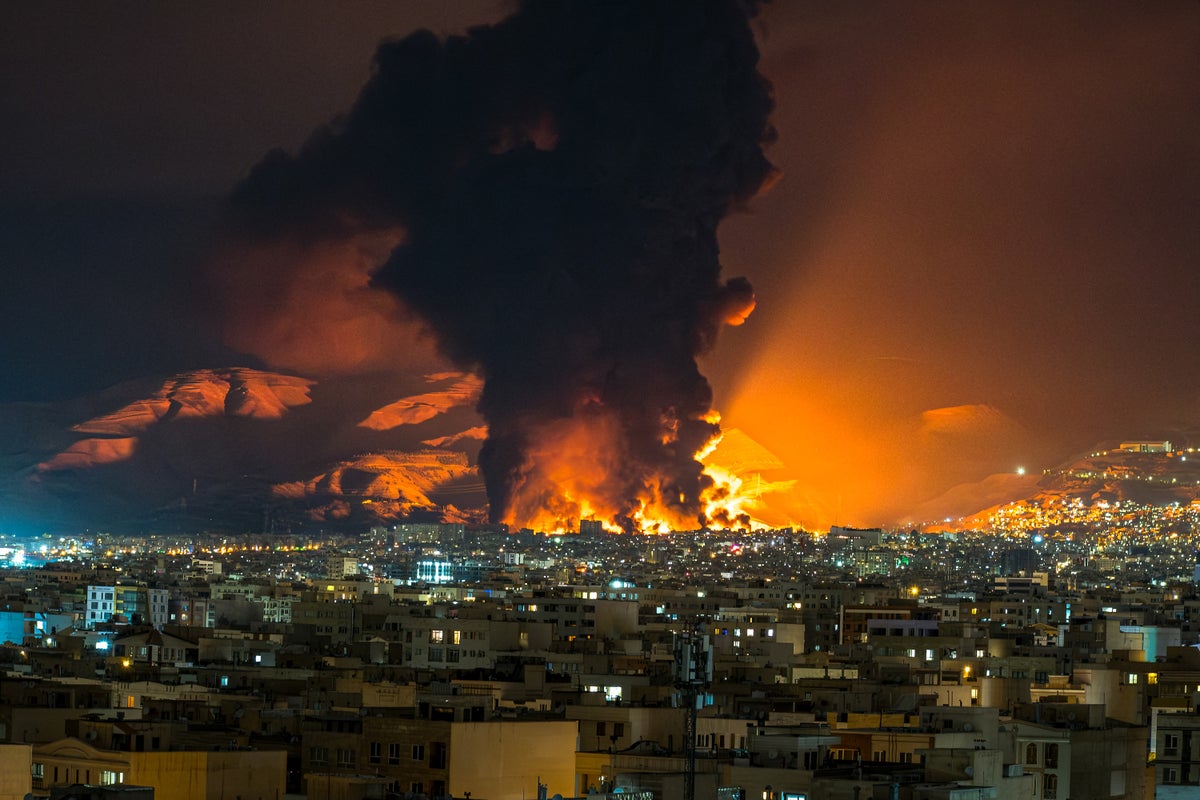
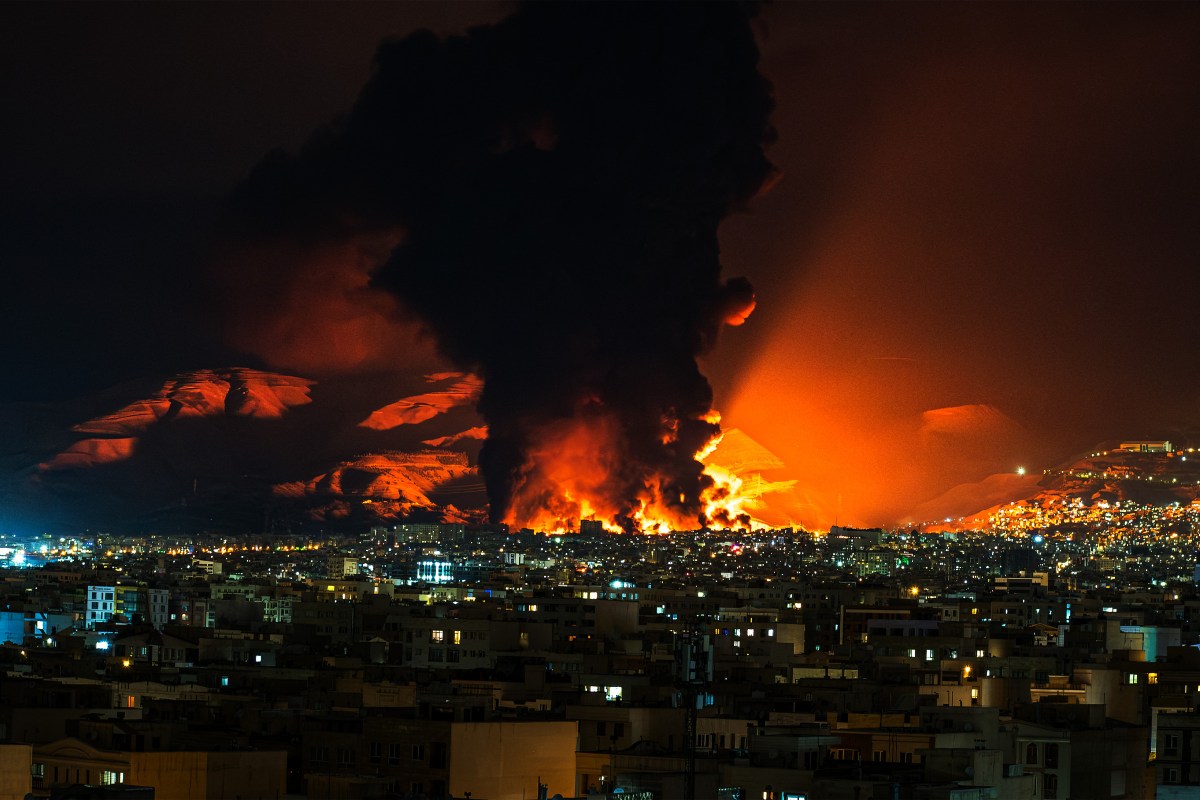
It came as a horrifying surprise early one morning in Hawaii: A bright flash lit up the dark sky over Honolulu, and on the horizon, a central cloud climbed higher and higher. "I thought at once it must be a nuclear explosion," a Diamond Head resident told the Honolulu Star-Bulletin in 1958. "I stepped out on the lanai [or porch] and saw what must have been the reflection of the fireball. It turned from light yellow to dark yellow and from orange to red."
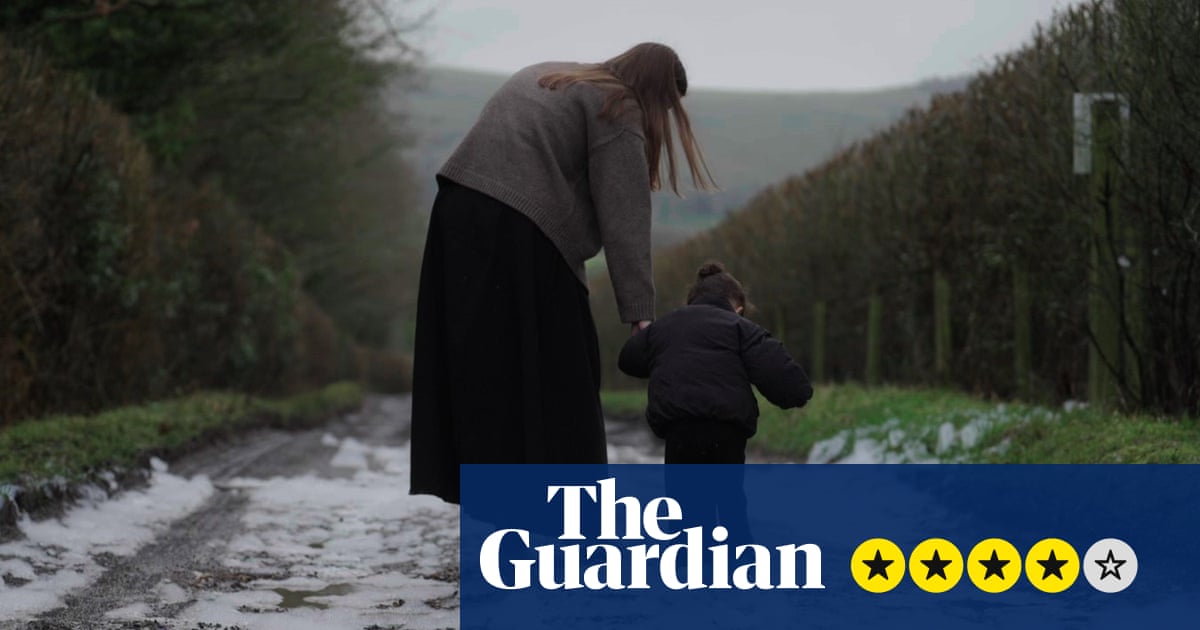
Alison Gaffney and Andy Hinde received the devastating news that their 17-month-old son, Fraser, had a rare type of leukaemia in 2018. Two years of gruelling treatment followed, including chemotherapy, radiotherapy and immunotherapy, before a stem cell transplant. Fraser, then aged three, made a miraculous recovery from the surgery, before doctors declared the cancer in remission. It was at this point, as Fraser started to recover and grow stronger, that Gaffney, 36, began to look for answers.
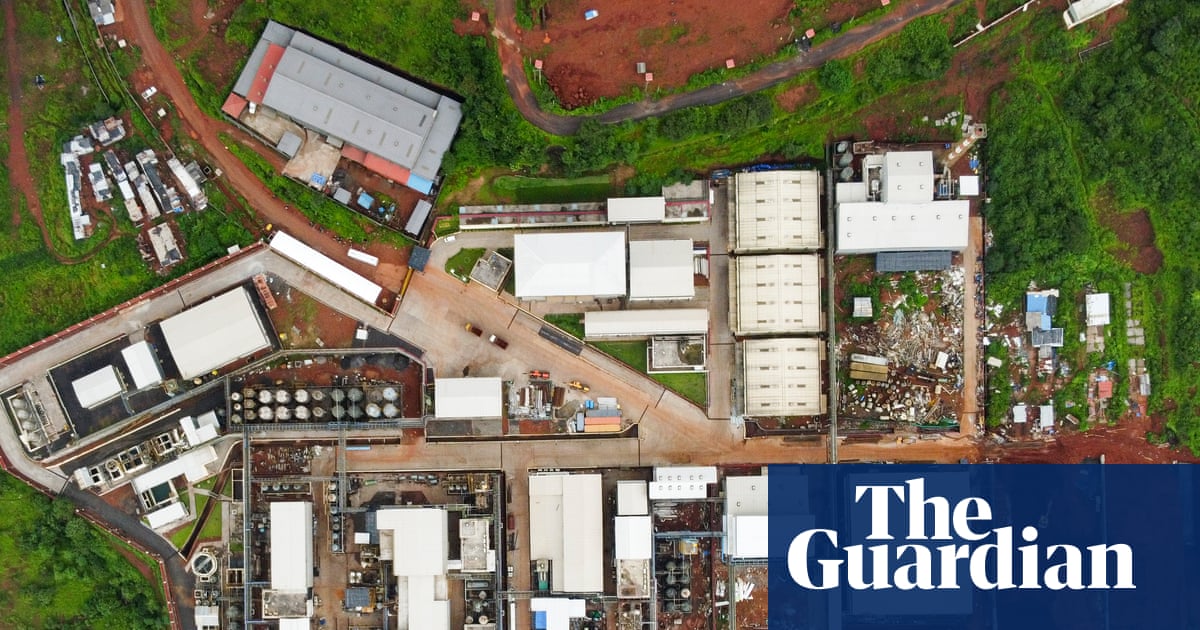
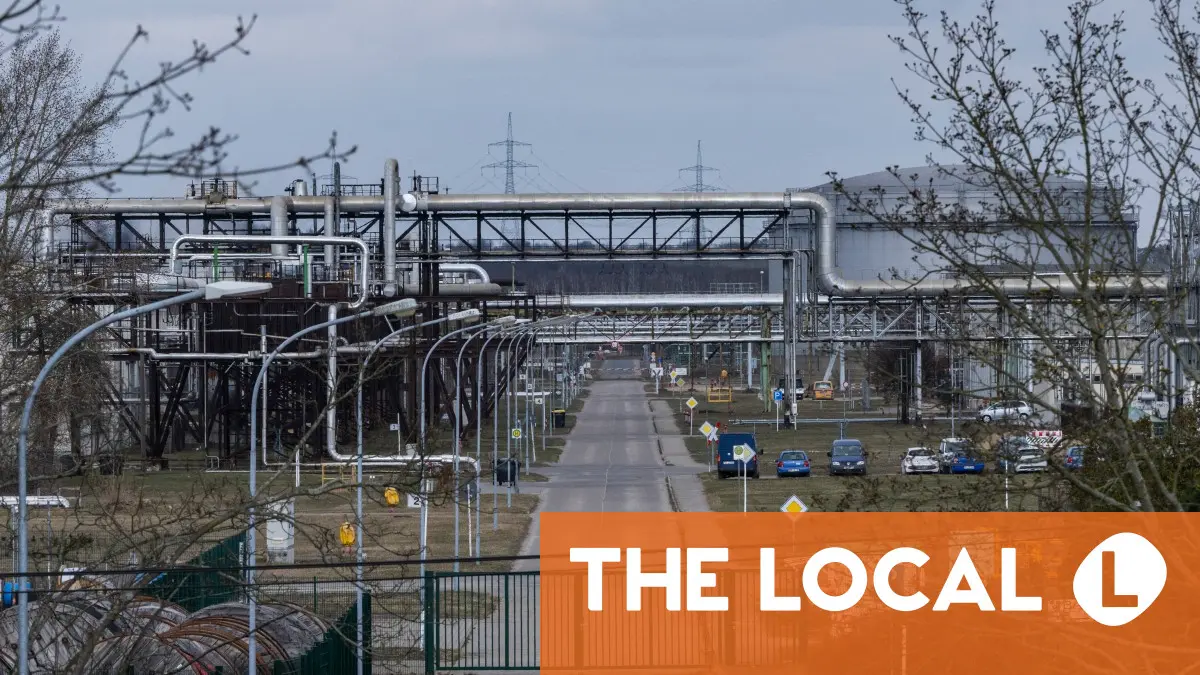
Amid the tropical heat, intense humidity, and foggy greenery of the delta, deserted houses are all that remain of what was once the bubbling and thriving community of Goi. Situated deep in Nigeria's Niger Delta, around 50 kilometers from regional center Port Harcourt, Goi was just one of ten Ogoniland communities devastated by severe oil spills in 2008. Signs near the river bank prohibit using the water source, warning of crude oil contamination.