#ev-incentives
#ev-incentives
[ follow ]
#electric-vehicles #tesla #supercharging #costco-auto-program #membership-benefits #vehicle-discounts #rivian-r2
frominsideevs.com
2 months agoRivian R2 And Toyota Highlander: Could These SUVs Become the EV Hits America Needs?
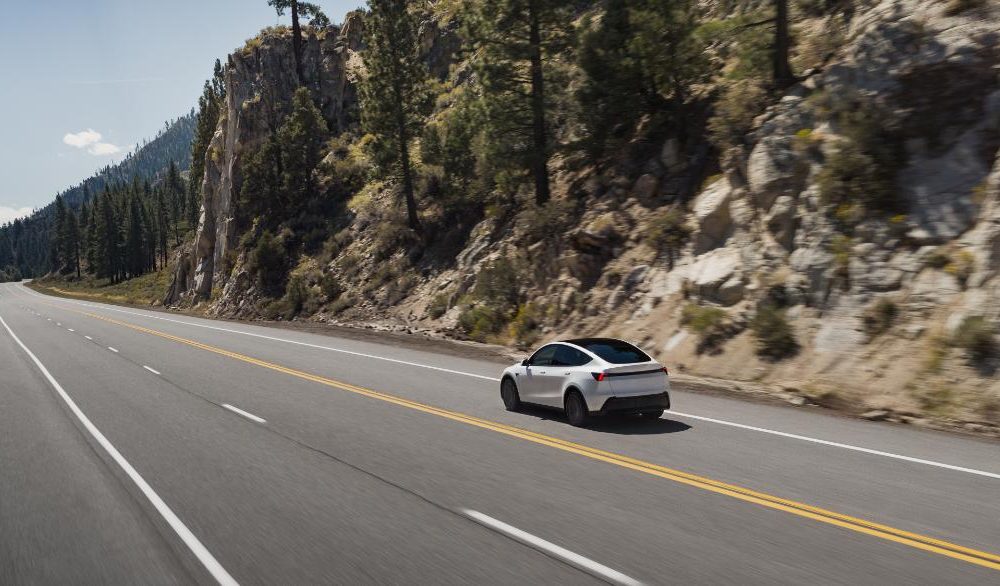
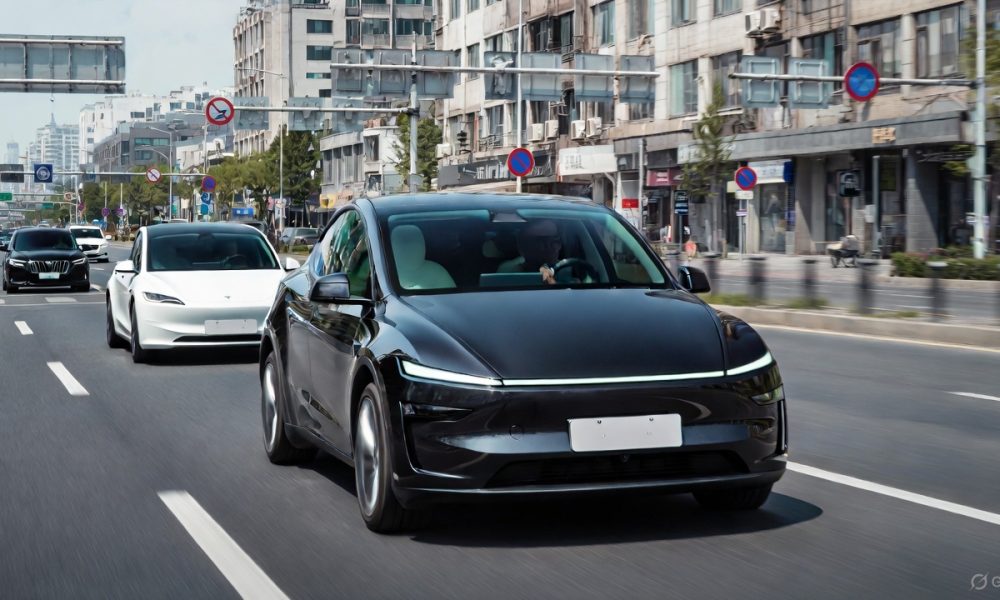
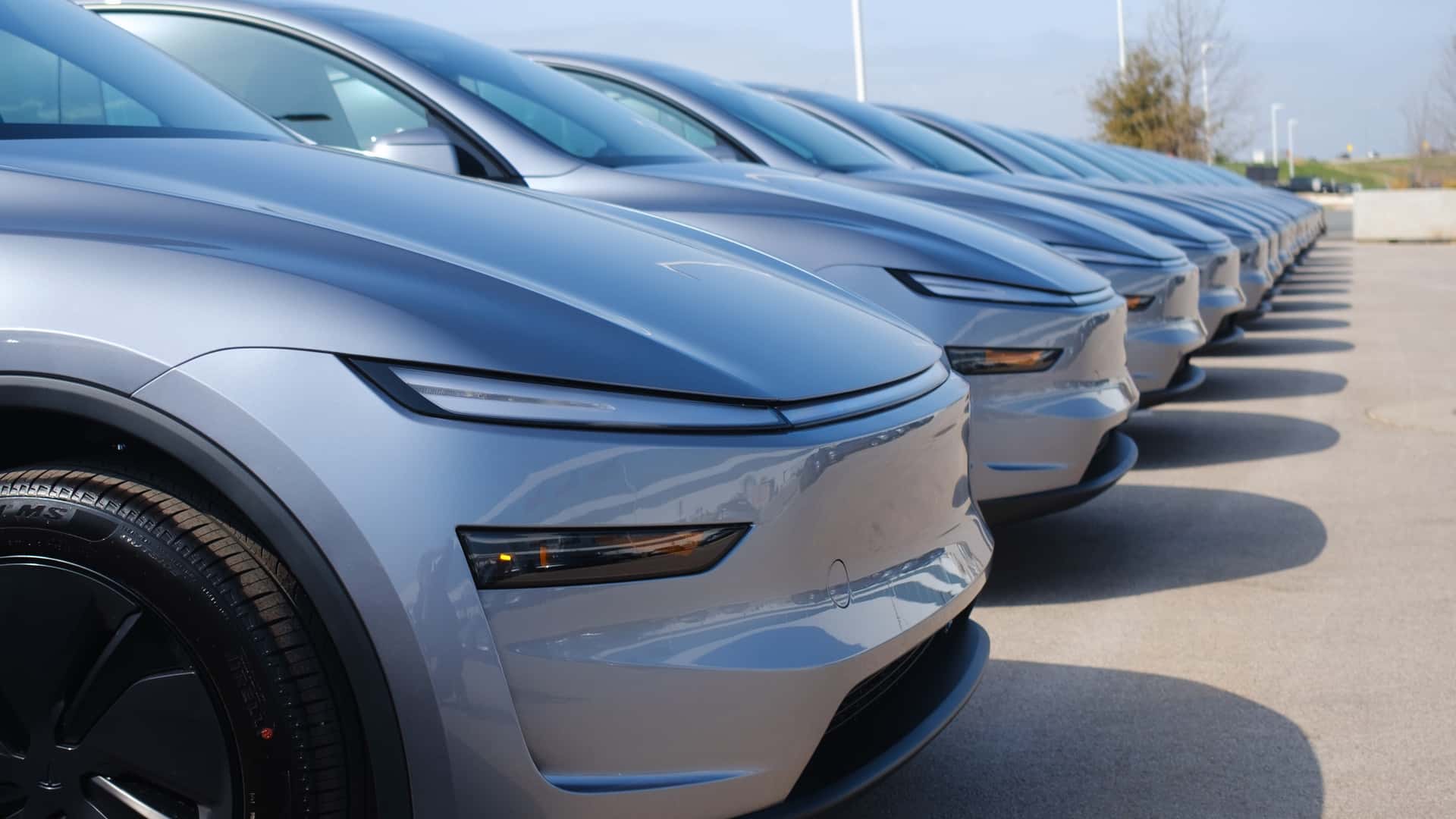
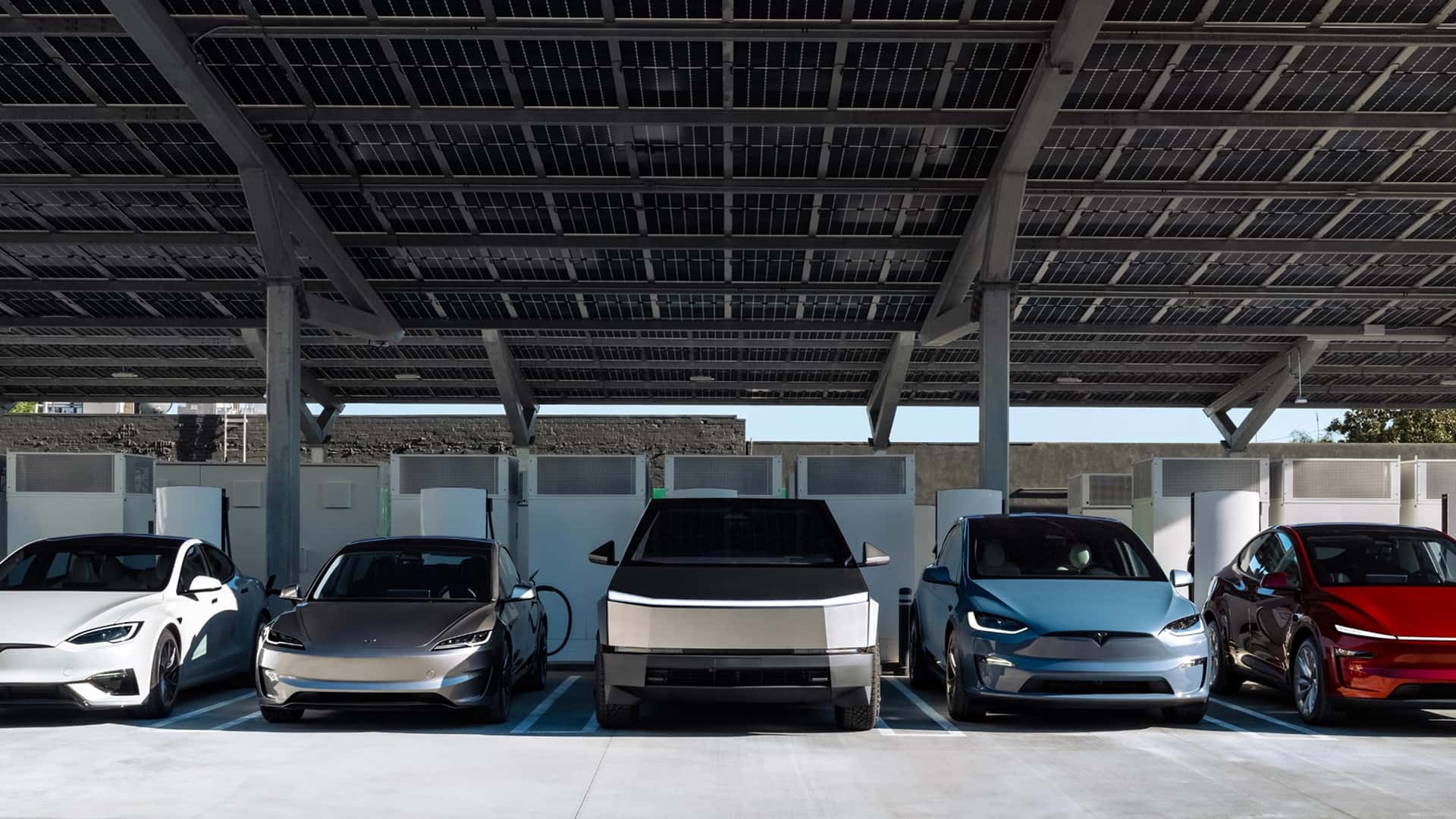
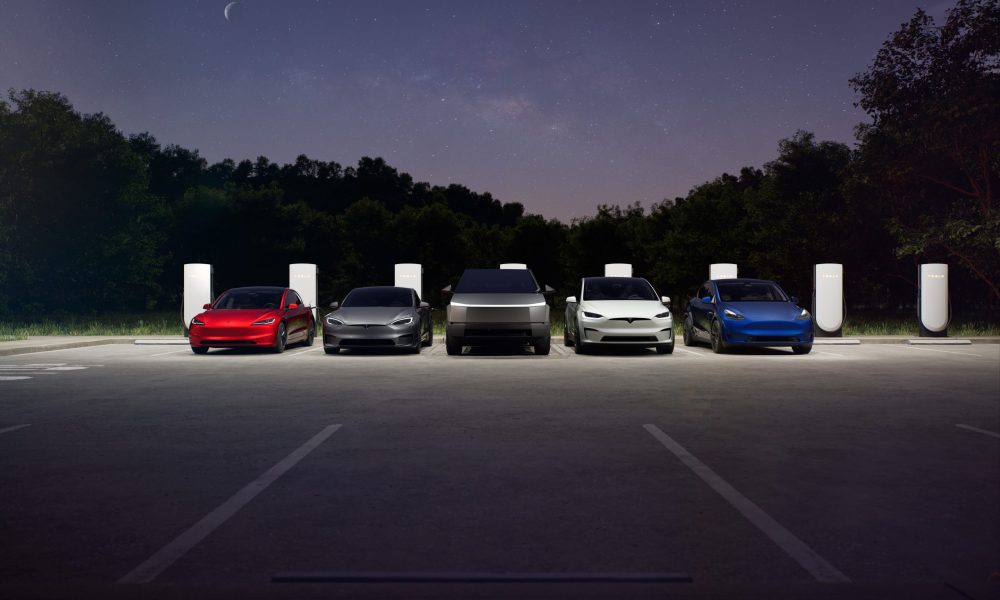
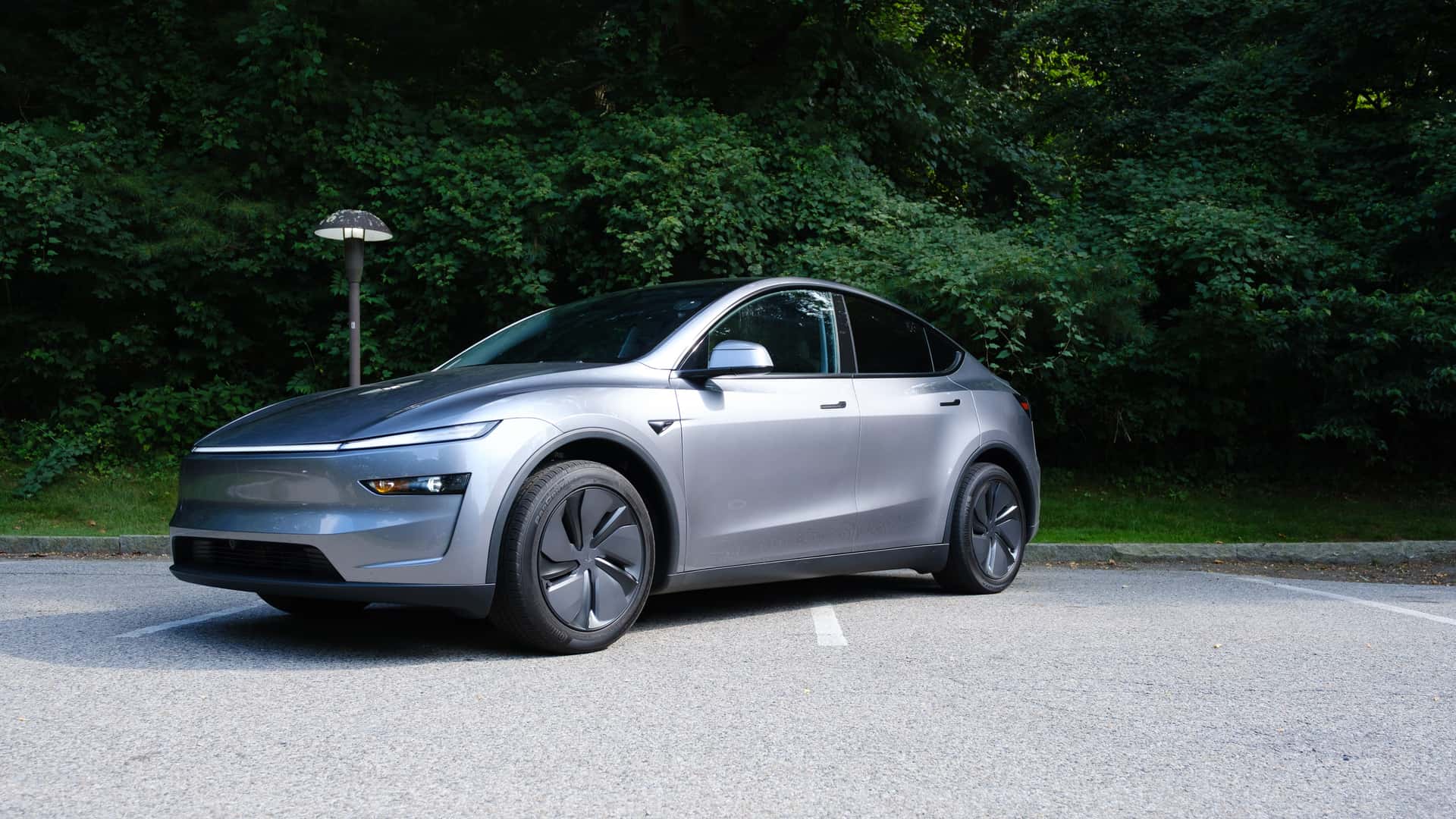
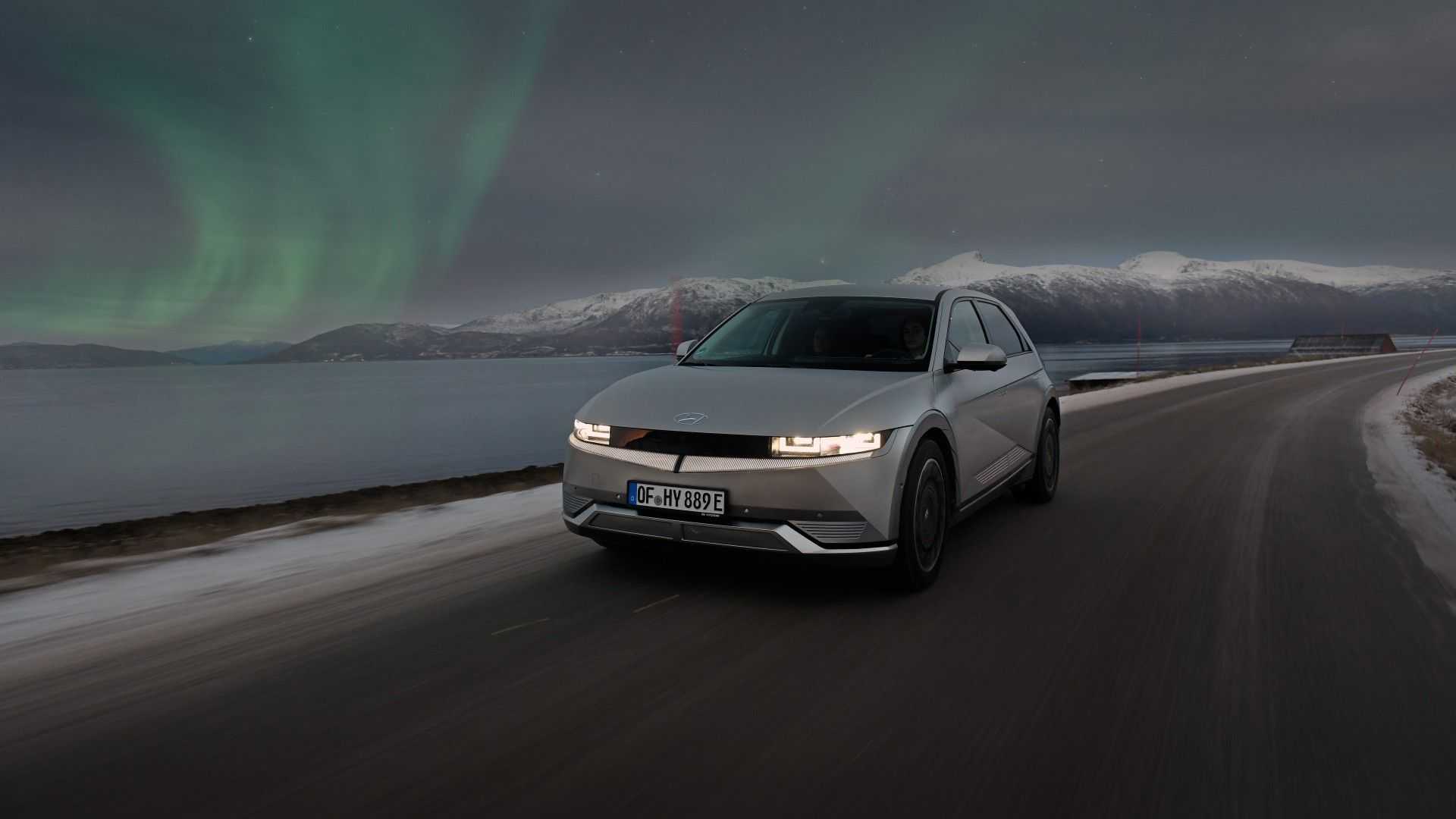
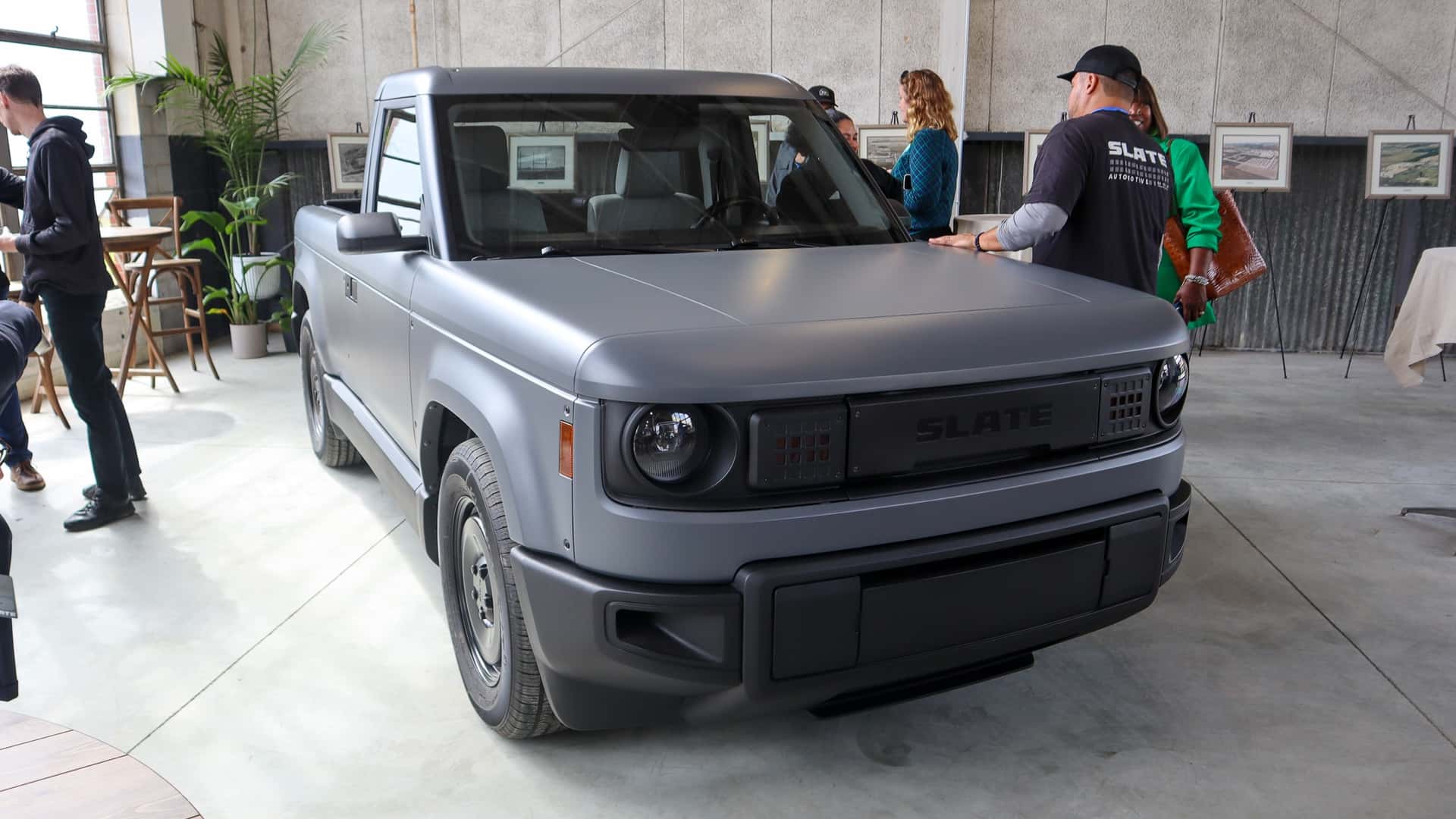
Besides making cars, what do Rivian and Toyota really have in common? I'd say that they share an unfortunate sense of bad timing. It's not their fault, either. But both companies picked a rough year to launch crucial new electric-vehicle products, now that EV tax credits are gone and the U.S. government has largely soured on electrification from a policy perspective.
Cars




frominsideevs.com
3 months agoCalifornia's New EV Rebate Is Only For First-Time Electric Car Buyers
California has decided that if the U.S. government is going to slash electric-vehicle incentives, it needs to keep the momentum going itself with $200 million in state funds to promote cleaner cars. California Gov. Gavin Newsom's latest proposal reveals a bit more about how exactly it plans to plug the gap. The program's finer details are still hazy. But we know this: The policy would require manufacturers to match the state's contribution dollar-for-dollar, effectively doubling the incentive.
California
frominsideevs.com
3 months ago2027 Chevy Bolt Production Will End Next Year As Plant Shifts To Gas
Now, the Bolt is backbut as expected, it won't be sticking around for very long. And now we know just how long. According to Bloomberg, GM officials have decided to end production of the heavily updated 2027 Chevrolet Bolt after just about a year and a half, in order to free up production space at its Fairfax, Kansas factory for a gas-powered Buick crossover.
Cars
fromEngadget
4 months agoCalifornia's governor plans to set aside $200 million for state EV tax credits
The loss of the federal EV tax credits may have been a huge blow to prospective buyers, but California wants to fill that gap for its residents. Governor Gavin Newsom's proposed budget for 2026-2027, which was released on Friday, includes a "light-duty zero-emission vehicle (ZEV) incentive program" that details a one-time infusion of $200 million. According to the budget summary, this incentive program is "a critical part of the Administration's strategy to keep ZEVs affordable and accessible for all."
California
frominsideevs.com
5 months agoThe Mercedes eSprinter Rocks. Now It's $30,000 Cheaper
The electric cargo van was great to drive, shockingly refined and offered 200 miles of real-world range. The problem was, the loaded extended-wheelbase model I drove was $93,563. I couldn't quite square whether that was a fair value, given its low running costs, and that no one else really offers a van like this. Now, I don't have to. Mercedes just put a $30,000 incentive on 2024 models (yes, 2024 modelsyou read that right), making them a slam-dunk deal.
Cars
fromAxios
6 months agoThe EV hype was real - electric vehicle sales smashed records
The uncertain future will affect U.S. emissions, the strategies of legacy automakers, and maybe the very survival of some EV startups. Driving the news: U.S. EV sales smashed records in Q3, new Cox Automotive data shows, as consumers rushed to tap credits and dealers rushed to move cars. "EV sales volume in Q3 was up 40.7% from the previous quarter and higher by 29.6% year over year," it found.
Environment
frominsideevs.com
7 months agoI Am Clueless': Woman Orders 2026 Tesla Model Y. Then A Strange Button Appears In The App
On Sept. 22, TikTok user @legacy7mama posted a video asking her viewers if she has reason to worry that she will no longer receive a tax credit, likely referring to the Clean Vehicle Tax Credit under the Inflation Reduction Act. I ordered my 2026 Tesla Y on Sept. 9. It's not here yet. I have nine days left in the month until I don't get the tax credit, she explained. So I'm slightly freaking out. Okay. I'm really freaking out.
US politics
[ Load more ]