#film-criticism
#film-criticism
[ follow ]
#michael-jackson #reproductive-rights #biopic #journalism-funding #journalism #nostalgia #academy-awards
fromKotaku
6 days agoMortal Kombat 2 Movie Producer Lashes Out At Negative Reviews
Some of these reviews are cracking me up. It's clear they have never played the game and have no idea what the fans want or ANY of the rules/ canon of Mortal Kombat. One reviewer was mad that a guy 'had a laser eye!' Why the fuck do we still allow people that don't have any love for the genre review these movies! Baffling.
Film


#michael-jackson




Independent films
fromwww.theguardian.com
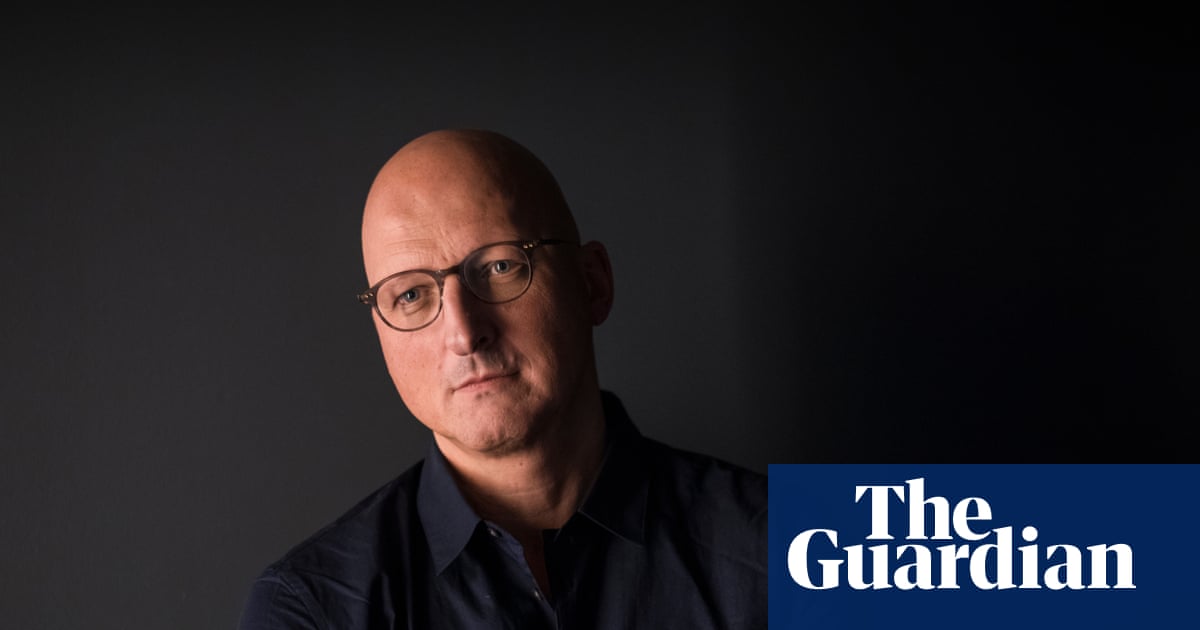
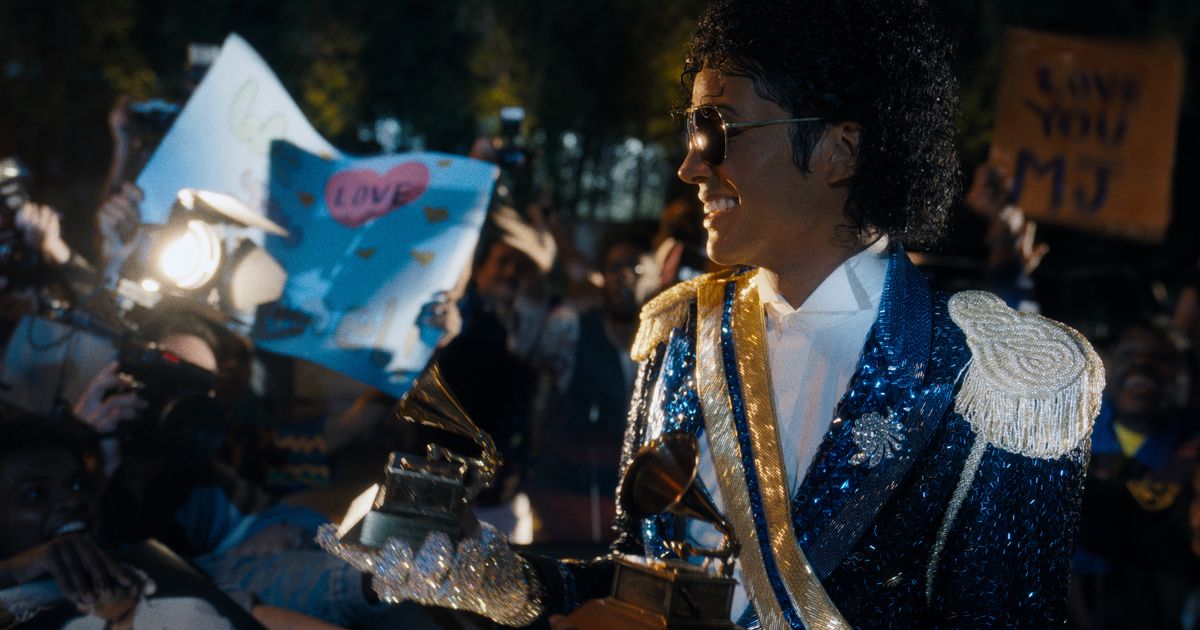
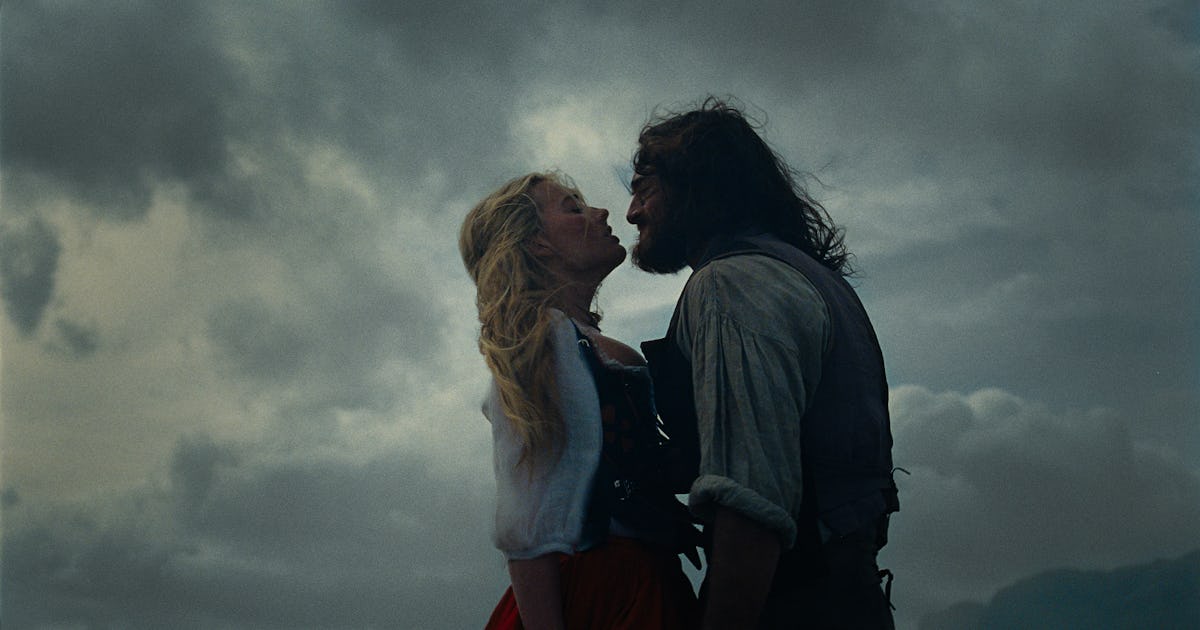
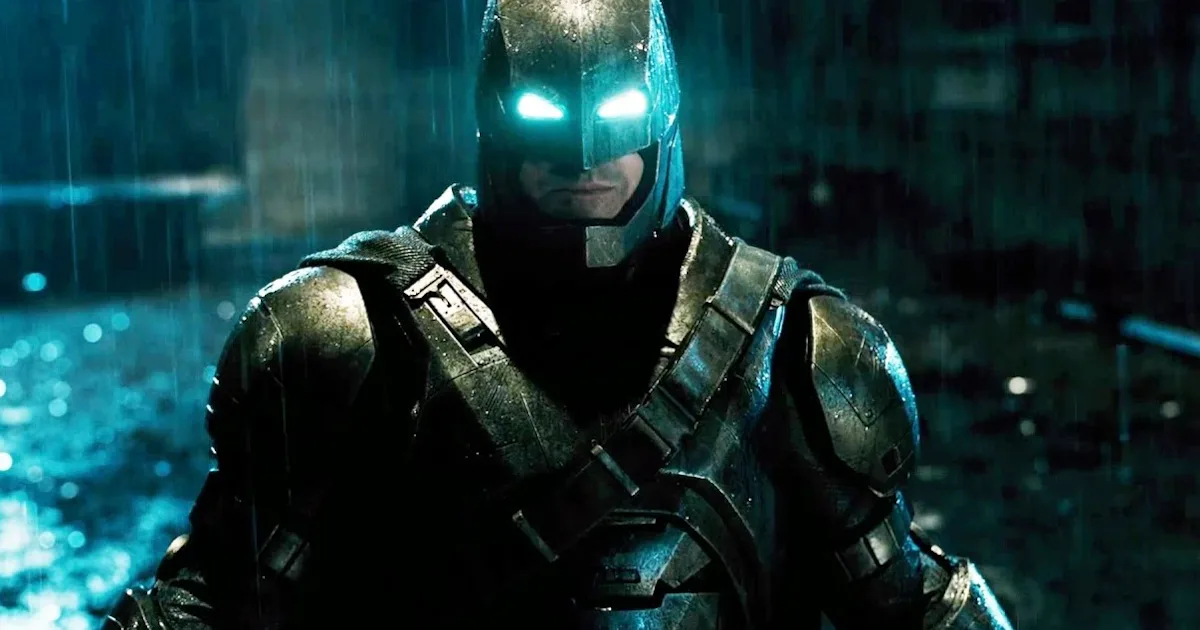
2 weeks agoA false narrative around a paedophile': Michael Jackson biopic criticised by Leaving Neverland director
The biopic 'Michael' has been criticized for misrepresenting Michael Jackson's relationships and failing to address allegations of child sexual abuse.

Independent films
fromwww.theguardian.com
1 month agoThe Land of Sometimes review starry voices can't mend a patchy fantasy adventure
A children's animation with notable voice actors fails to deliver due to annoying lead characters, weak lyrics, and derivative storytelling that feels like a DreamWorks imitation.
#academy-awards

Film
fromLos Angeles Times
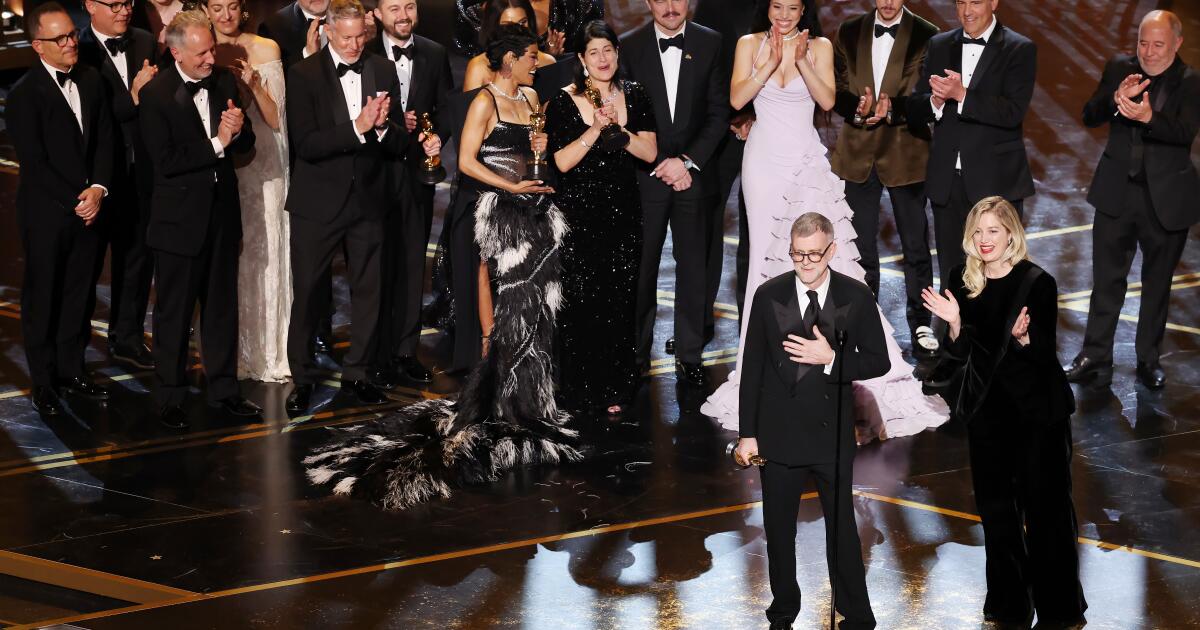
1 month agoCommentary: What 'One Battle After Another' doesn't get about resistance in Trump's America
Paul Thomas Anderson's Oscar-winning film 'One Battle After Another' depicts armed resistance against government oppression but lacks substantive contemporary commentary despite critical acclaim.
Film
fromThe New Yorker
1 month agoOscars 2026 Live Updates: The Nominees, Likely Winners, and More
The ninety-eighth Academy Awards ceremony features ambitious, original films competing for Best Picture, with Ryan Coogler's 'Sinners' leading in nominations and multiple international features in contention for top prizes.
fromwww.npr.org
1 month ago'War of the Worlds' remake sinks to the bottom at this year's Razzie Awards
War of the Worlds won five Razzies in total: worst remake, worst actor, worst screenplay, worst director, and worst picture. Critics panned the movie; it scored abysmally low ratings on Rotten Tomatoes. Members of the Golden Raspberry Foundation described the direct-to-video War of Worlds remake as a 'cult hate-watch classic' and 'a near sweeper of our $4.97 trophy.'
Arts
Film
fromIndieWire
1 month ago'Ready or Not 2: Here I Come' Review: A Sensational Samara Weaving Can't Save This Ho-Hum Horror Sequel
Ready or Not 2 fails to capitalize on Samara Weaving's compelling performance and the original film's creative momentum, delivering a disappointingly safe sequel with expanded scope but diminished creativity.
Film
fromIndieWire
2 months agoAnonymous Ballot: Director Favors 'Sinners' and Ryan Coogler as the Filmmaker of the Future
An Oscar voter discusses their top directorial choices, praising Ryan Coogler's 'Sinners' alongside standout films for innovative editing, structural clarity, and intricate character dynamics.
fromThe Nation
2 months agoWho Will Win Big at the Oscars?
From its opening scene-a shakedown of Armando Solimões (Wagner Moura) by local authorities at a rural gas station-Kleber Mendonça Filho immerses viewers in a world of casual corruption and clandestine violence endemic to authoritarian rule.
Film
fromwww.theguardian.com
2 months agoLeap Year is patently ridiculous and widely panned. It's also the perfect romcom
The appeal of a romcom is that we know what is going to happen; therein lies the comfort and joy. Previous reviewers have mistaken well-loved tropes for a lack of imagination. Done properly, a romcom takes our hand through a series of events that are both audaciously unrealistic and deeply familiar. Everything, every character, every line of dialogue, every Irish cow that blocks the bickering pair's journey is there in service of the love story.
Film
Film
fromConsequence
2 months agoQuentin Tarantino Says Rosanna Arquette Has "Lack of Class, No Less Honor" After She Criticized His N-Word Use
Tarantino accused Arquette of disrespecting him and seeking publicity by criticizing his use of the N-word in his films, claiming she benefited from working with him.
Film
fromwww.theguardian.com
2 months agoLearning You review autism road trip drama is hard to bear
A film depicting a father's relationship with his autistic son struggling with severe support needs uses religious messaging and sentimentality to explore acceptance, though execution is criticized as heavy-handed and overly sentimental.
Film
fromSlate Magazine
2 months agoShe Went From Reality Star to Best Actress Front-Runner. She Deserves It All.
The Bride! fails as a film by attempting too many conflicting genres, tones, and stylistic approaches simultaneously, undermining its ambitions as both camp entertainment and serious feminist commentary.
Film
fromwww.theguardian.com
2 months agoScarlet review Mamoru Hosoda turns Hamlet into tale of prowling knights and deep nothingness'
Mamoru Hosoda's anime adaptation of Hamlet, Scarlet, features stunning visuals but suffers from incoherent storytelling, arbitrary world-building, and heavy-handed philosophical messaging that undermines its narrative impact.
Film
fromwww.theguardian.com
2 months agoWhy Train Dreams should win the best picture Oscar
Train Dreams offers a meditative, character-driven narrative that contrasts with contemporary cinema's frenetic pacing and empty provocations, presenting a more substantive storytelling approach reminiscent of classic filmmaking.
fromVulture
2 months ago17 Movies With Exclamation-Point Titles, Ranked!
During a junket interview with OutNow, Gyllenhaal explained that the punctuation mark was included to represent the "whole lot of energy" that comes out when the historically muted Bride of Frankenstein is finally allowed to speak. That's all well and good, but to viewers the titular exclamation point is less of a metaphor and more of a golden arrow saying, "This movie is going to be crazy."
Film

Film
fromIndieWire
2 months ago'The Bride!' Review: Maggie Gyllenhaal Graverobs Mary Shelley for a Wokified, 'Joker'-fied Folie-a-Deux Zonked on Its Own Rage
Maggie Gyllenhaal's 'The Bride!' attempts feminist reinterpretation of Frankenstein's monster but delivers a one-dimensional rage narrative that feels outdated despite contemporary feminist themes.
fromWorld of Reel
6 years agoWarner Bros. Paid 2,000+ Social Media Influencers to "Post Nice Things" About 'Wuthering Heights' - World of Reel
Remember when "Wuthering Heights" first screened and all those glowing early reactions flooded social media-with even one "critic" calling it a "God-tier classic"? It turns out that was a carefully calibrated mirage concocted by Warner Bros. A report claims that "Wuthering Heights" had "one of the biggest global marketing juggernauts the world has ever seen." Hyperbole? Maybe. But what do you make of the claim that "almost 2,000 social media influencers were paid by Warners to post nice things about the film"?
Film


fromSlate Magazine
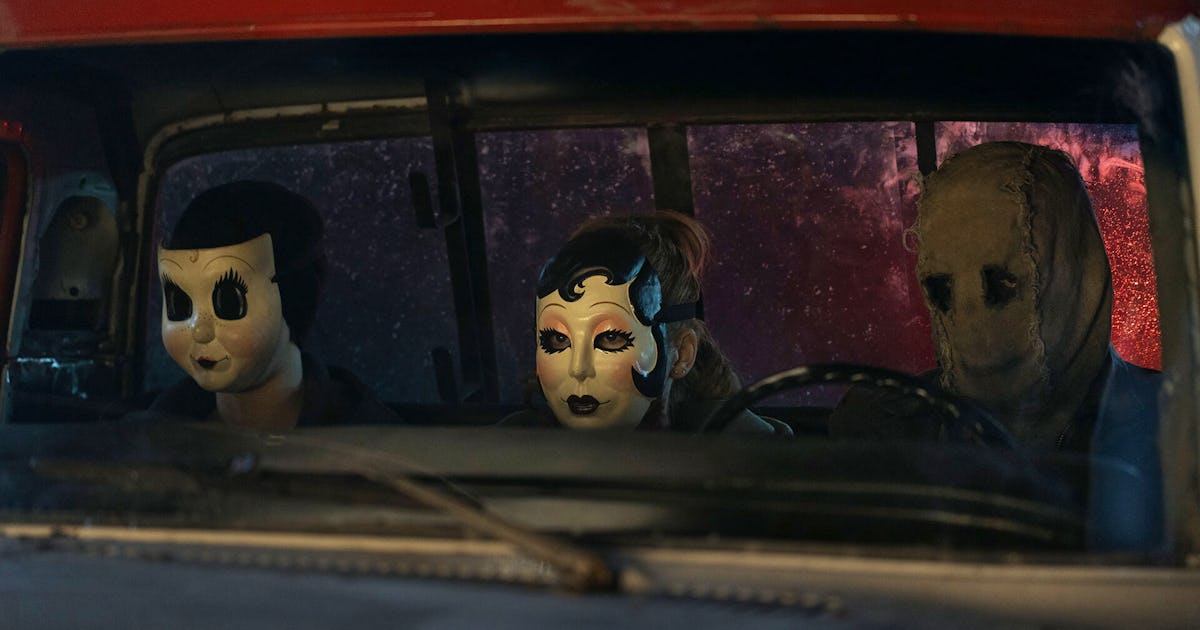
3 months agoIn Hamnet, the Rest Is Not Silence.
Shuffling under the mortal coil this week (aka hosting the Gabfest), it's our OG players Steve, Dana, and Julia. Like a morose Danish prince contemplating a human skull, they gaze upon the Oscar nominated , based on the novel by Maggie O'Farrell inspired by William Shakespeare's life. Directed by Chloé Zhao and starring Jessie Buckley and Paul Mescal, Hamnet has brought some critics to tears and left others cold. Our hosts share where they landed.
Film
fromwww.theguardian.com
3 months agoThe Gallerist review Natalie Portman flounders in tiring art world caper
There's a mildly amusing on-paper joke at the centre of manic art world comedy The Gallerist: what if someone was accidentally impaled on an exhibit but rather than report it, the corpse became part of the artwork? Sure, poking fun at the absurdity of modern art might seem a little dated and definitely a little too easy but maybe with a packed cast including Oscar winners Natalie Portman, Catherine Zeta-Jones and Da'Vine Joy Randolph, there could be a fun, fast-paced caper here?
Film



fromRoger Ebert
3 months agoRemote-Droppers and Jeff Bridges: Nick Digilio on His Book About 40 Years Reviewing Movies | Interviews | Roger Ebert
Nick Digilio has been a movie critic for 40 years, for many of those years on WGN radio, now with a popular podcast and hosting screenings in Chicago. And I've been talking to him about movies for 25 of those years. I still remember our first conversation, which included a discussion of "Donnie Darko" and the mid-century Hollywood director Douglas Sirk. He usually interviews me, but in honor of his new book, 40 Years, 40 Films, we switched, and I got to interview him.
Film
fromwww.theguardian.com
3 months agoThe crying game: what Hamnet's grief-porn debate says about women, cinema and enormous hawks
Grief-porn, in relation to cinema, would suggest that the film in question is emotionally manipulative, formulaic; grief-art would suggest the film unleashes feelings both universal and true. It's curiously circular. In a film about grief, the valorised quality is depth of feeling; it stands or falls by how profoundly the hero(ine) experiences emotion, and the audience proves its acuity, buys itself into the imaginative contract, by its ability to mirror that profundity.
Film
fromwww.theguardian.com
3 months agoRental Family review Brendan Fraser seeks meaning in pointless Japanese role-play drama
Fraser plays Phillip, a hapless unemployed actor from the US who a few years previously came to Tokyo to do a goofy TV ad for toothpaste and, having no friends or family back home, simply stayed on. He lucks into a weird new source of income: working for a rental family, based on firms in Japan which really do offer bespoke therapeutic role-play services, such as errant spouses, deceased
Film

fromInverse
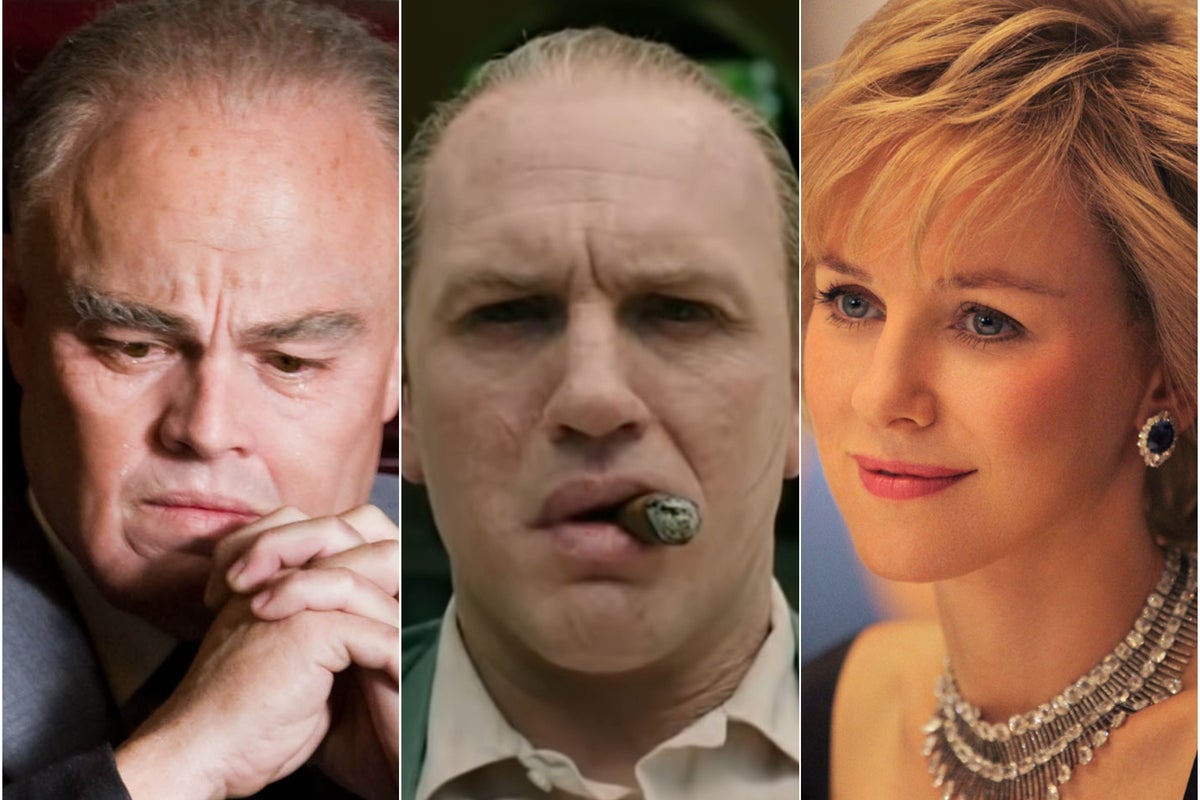
4 months ago45 Years Ago, A Trippy Sci-Fi Movie Changed The Body Horror Genre
Russell had already cemented his audacious sensibilities with Tommy and The Devils, but this sci-fi horror, released 45 years ago today, pushes the limits of sensory overload. Renowned screenwriter and novelist Paddy Chayefsky (best known for Network and The Hospital) wrote a powerhouse script based on his surreal 1978 novel, itself inspired by neuroscientist John Cunningham Lilly's research on sensory deprivation tanks and psychedelics.
Film
Film
fromIndieWire
4 months ago'Anaconda' Review: Paul Rudd and Jack Black Star in Lazy Meta-Sequel That Squeezes All the Fun Out of Self-Reflexive Premise
Tom Gormican's new Anaconda is a sweet-natured but slipshod comedy meta-sequel that fails to contextualize the 1997 original and feels ambivalent and confused.
[ Load more ]