#food-prices
#food-prices
[ follow ]
#inflation #cost-of-living #tariffs #trade-policy #energy-prices #uk-inflation #fast-food #supply-chain
fromwww.bbc.com
2 days agoIran war leads to spike in saffron price
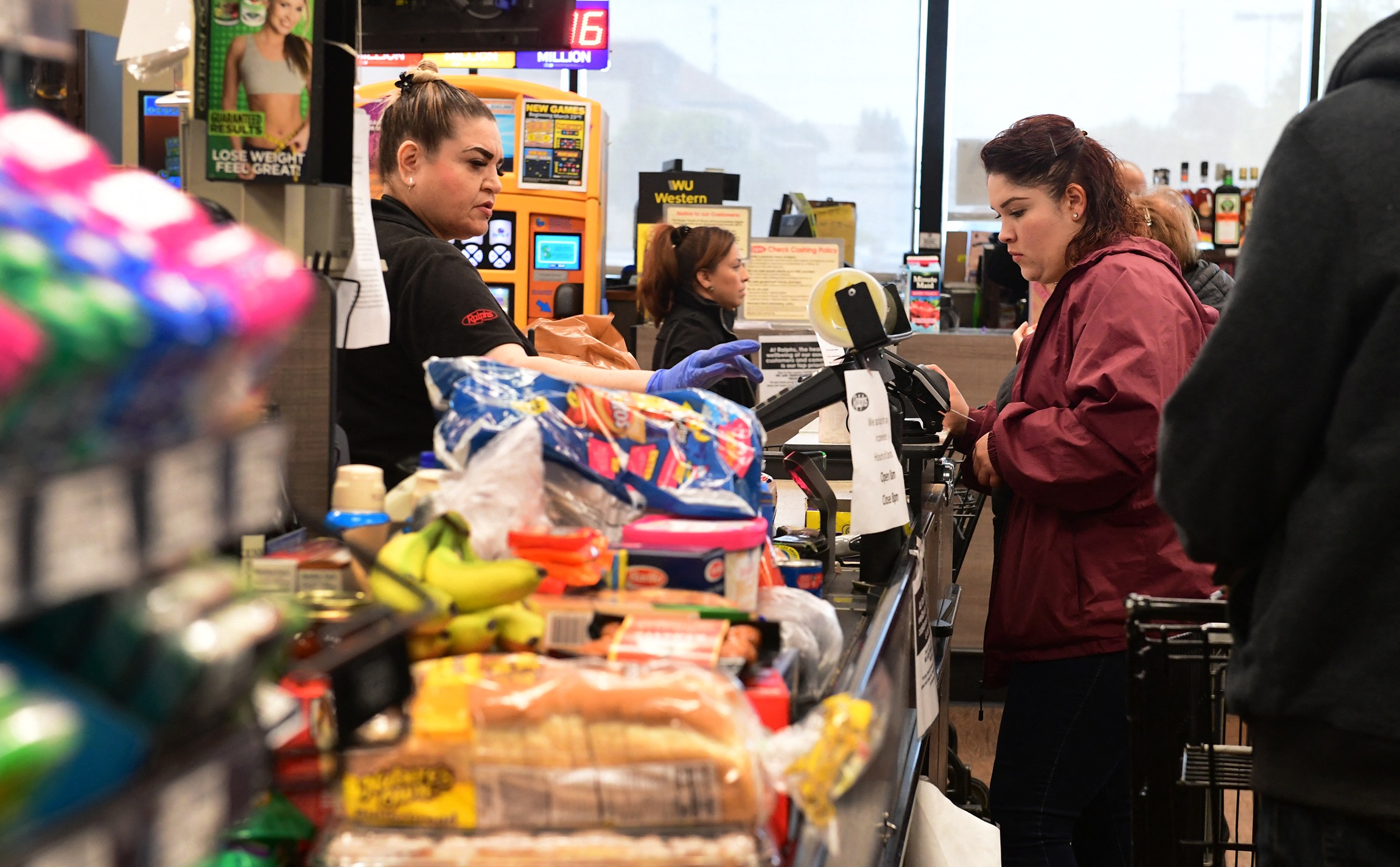
“Any dishes coming out from the [Sadaf] kitchen with rice, there is layer of saffron on the top of it,” said Mahmoud. He explained that before the Middle East war he was buying saffron at about 1,200 per kilo, but now his supplier told him the cost has risen to about 2,000 to 2,100 per kilo. “It's quite a lot,” he said.
London food
fromwww.npr.org
5 days agoPrices are up, but Mother's Day still means brunch
“If you really want to show mom that TLC, you can whip up a buffet at home for a lot less money” than going out for that classic brunch, says Swanson, who tracks food prices as the chief agricultural economist at Wells Fargo.
US news
UK news
fromLondon Business News | Londonlovesbusiness.com
1 week agoRetailers sound inflation alarm as costs pile into food chain - London Business News | Londonlovesbusiness.com
UK retailers urge government to reduce domestic business costs to mitigate rising prices due to global instability and supply chain pressures.

#inflation
London food
fromLondon Business News | Londonlovesbusiness.com
1 week agoUK food prices on track for 50% rise as cost-of-living crisis deepens - London Business News | Londonlovesbusiness.com
UK food prices are projected to rise 50% by November due to inflationary pressures, extreme weather, and supply chain disruptions.


London food
fromLondon Business News | Londonlovesbusiness.com
1 week agoUK food prices on track for 50% rise as cost-of-living crisis deepens - London Business News | Londonlovesbusiness.com
UK food prices are projected to rise 50% by November due to inflationary pressures, extreme weather, and supply chain disruptions.

Europe news
fromLondon Business News | Londonlovesbusiness.com
1 month agoGlobal inflation stable but energy and food pressures build - London Business News | Londonlovesbusiness.com
Year-on-year inflation across the OECD remained steady at 3.4% in February 2026, with varying trends among member countries.



fromwww.theguardian.com
2 months agoEye-watering numbers': food producers sound alarm on rise in energy charges
Outside, it's an overcast and blustery February day in Kent hardly the ideal conditions for growing tomatoes, cucumbers and peppers. Yet inside the enormous glasshouses run by grower Thanet Earth, the climate has been optimised to a humid 20C, perfect for the regimented rows of small pepper plants poking out of raised trays. Growing fresh produce indoors in the south of England year-round requires plenty of energy to provide light, warmth and carbon dioxide.
Agriculture
Food & drink
fromThe Mercury News
2 months agoIs takeout dying? The middle ground between the cost of eating out and cooking is disappearing
Rising food prices have turned affordable mid-priced dinners into a financial strain, forcing households to choose between labor-intensive home cooking and costly dining out.
Food & drink
fromLondon Business News | Londonlovesbusiness.com
2 months agoRetailers warn of possible fruit and veg shortages - London Business News | Londonlovesbusiness.com
UK fruit and vegetable supplies face temporary shortages and price rises due to transport delays, rising costs, and extreme weather affecting imports.
fromwww.thelocal.at
3 months agoWhat Austria's new lower VAT on food could mean for your shopping bill
Austria's government has agreed on a list of everyday foods that will be taxed at a lower VAT rate from July, in a move it said should reduce prices for households and slightly dampen inflation. According to ORF, the Council of Ministers approved the product range on Wednesday after intensive discussions. The reduced VAT rate of 4.9 percent, down from ten percent, is set to apply from July 1st. The government also set an upper cost limit of 400 million for the measure, ORF reported.
Miscellaneous
fromwww.theguardian.com
3 months agoThe Guardian view on food security: Britain can no longer trust markets alone | Editorial
Food policy across much of the world is changing. But not in Britain. That may be a costly mistake as the prices of essentials rise because of the climate emergency, geopolitical tensions and the fragility of just-in-time supply chains. Many capitals are now reviving their strategic food reserves. European nations such as Sweden, Finland, Norway and Germany are rebuilding stocks dismantled after the cold war.
Food & drink
fromFast Company
3 months agoNational Pizza Week is here - here's where to save on pizza
There are many made-up celebrations these days, but at least National Pizza Week delivers something tasty. Coming in hot on the heels of so-called quitter's day, when many people abandon their New Year's resolutions, pizza shops around the U.S. will be tossing around some deals that could save customers some dough. Of course, many people don't need an excuse to eat pizza-on any given day, about 11% of Americans do so, according to a study released in 2024 by the U.S. Department of Agriculture.
Food & drink
fromwww.cbc.ca
4 months agoAppetite for a bargain: Rising food costs fuel boom in discount grocery stores | CBC Radio
With the cost of living soaring, Ron Robinson is determined to save wherever he can starting with his grocery bill. It's why the Montreal man shops at Liquidation Marie, an ultra discount grocery chain where prices can be as much as 50 per cent less than a regular grocery store. He recalls purchasing steaks for about six dollars each. "If you go to a big box store, you're going to pay maybe $20, $25 for a pack of three," Robinson told Cost of Living.
Canada news
fromwww.cbc.ca
4 months agoFood banks fill immediate need' but are not the long-term solution, CEO says | CBC News
I understand we're going through tough times, he told CBC Toronto Saturday. Our number one focus is affordability and creating opportunities and jobs for people. There were more than 4.1 million food bank visits this year, Daily Bread Food Bank said in a news release this week. Additionally, more than one in 10 Torontonians currently rely on the food bank to feed themselves and their families.
Canada news

Agriculture
fromFortune
5 months ago'People are completely worried': In a Nebraska town where one in three work at Tyson, a plant closure threatens everything | Fortune
Tyson's closure of the Lexington beef plant will devastate the town, cut national processing capacity, and pressure beef prices and rancher incomes.
fromTasting Table
5 months agoWhy Five Guys Is So Expensive Compared To Other Burger Chains - Tasting Table
When the craving for a burger and fries strikes, you don't want to wait around for something fancy and over-the-top. You want it hot and delicious, you want it now, and you want it for a reasonable price. Fast food burger chains have typically delivered on this, but in recent years, getting that reliable burger on the cheap has been harder to come by. Five Guys specifically has been called out for this repeatedly, especially after a picture of a receipt showing the cost of a bacon cheeseburger ($12.49), small fries ($5.19), and a soda ($2.89) for one person went viral on social media, which with sales tax included came in at a pricey $21.91.
Food & drink



fromwww.mediaite.com
5 months agoTACO! Trump Reportedly Preparing Big Tariff Reductions as Part of Affordability Push
President Donald Trump is reportedly considering a major rollback of his trade policy. According to The New York Times Maggie Haberman and Tyler Pager, his administration is preparing broad exemptions to certain tariffs in an effort to ease elevated food prices that have provoked anxiety for American consumers, according to three people briefed on the actions. They continued: The change would apply to certain reciprocal tariffs the president announced in April,
US politics
[ Load more ]