#gen-v
#gen-v
[ follow ]
#the-boys #cipher #homelander #superheroes #amazon-prime-video #vought #marie-moreau #project-odessa


fromInverse
5 months ago'Gen V's Secret Weapon Reveals The Shocking Easter Egg Nobody Noticed
"I'm doing a play in a couple of months starting in February called Marcel on the Train, which I co-wrote with Marshall Pailet," Slater tells Inverse. "I love theatre and I love doing theatre. It's something that I always hoped to be doing as much as possible, but I really love film and it's been amazing to get to do more of that."
Television

fromVulture
7 months agoGen V Recap: Walking, Talking Blood Bags
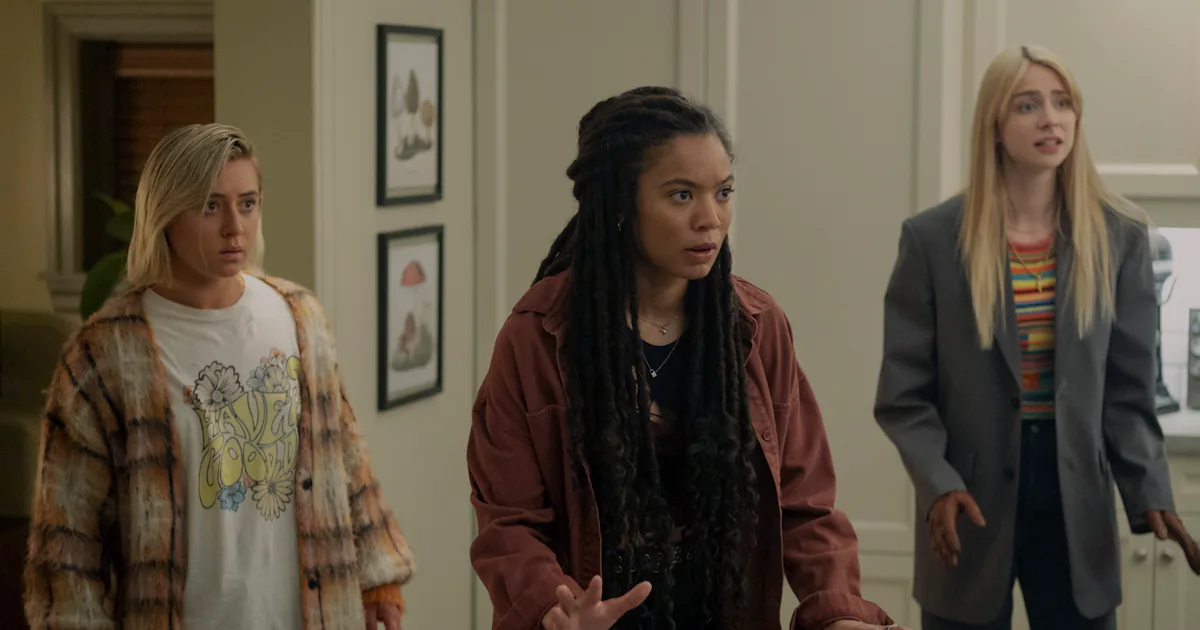
When Chance Perdomo died last year, Gen V lost its most promising young performer. But season two has avoided recasting the character or introducing a prominent new student to take his place, instead focusing on a smaller group and developing the people we already know: Marie, Emma, Jordan, Cate, and Sam. That shift is working pretty well for me overall, even if this season feels slightly less novel than the first.
Television
fromInverse
7 months ago'Gen V' Season 2 Just Fumbled A Clunky Superhero Trope
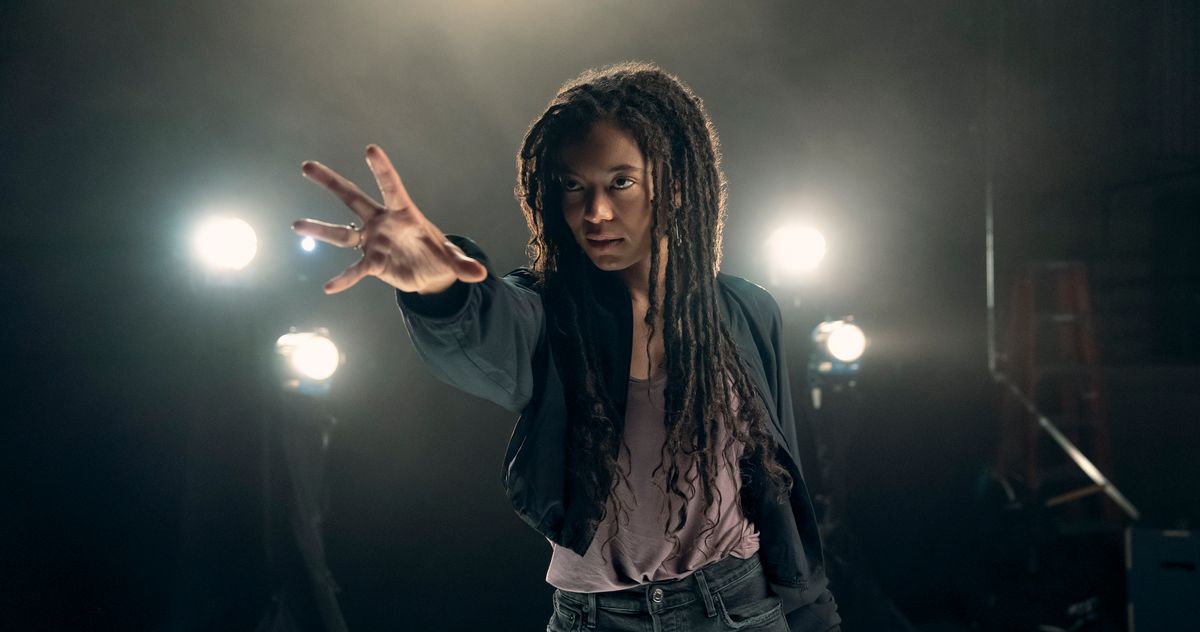
It's this tonal tweak that gives us elements like the puppet sequences from Sam's point of view, or the interpersonal drama that feels straight out of Riverdale, and that's a refreshing change of pace from The Boys ' high octane action. A related and underrated strength is how Gen V handles real-world issues, often using its superpowers to provide a model for the problems of young adults. Marie uses her bloodbending powers by cutting herself, which reflects self-harm.
Television
fromVulture
7 months agoGen V Season-Premiere Recap: Brave New World
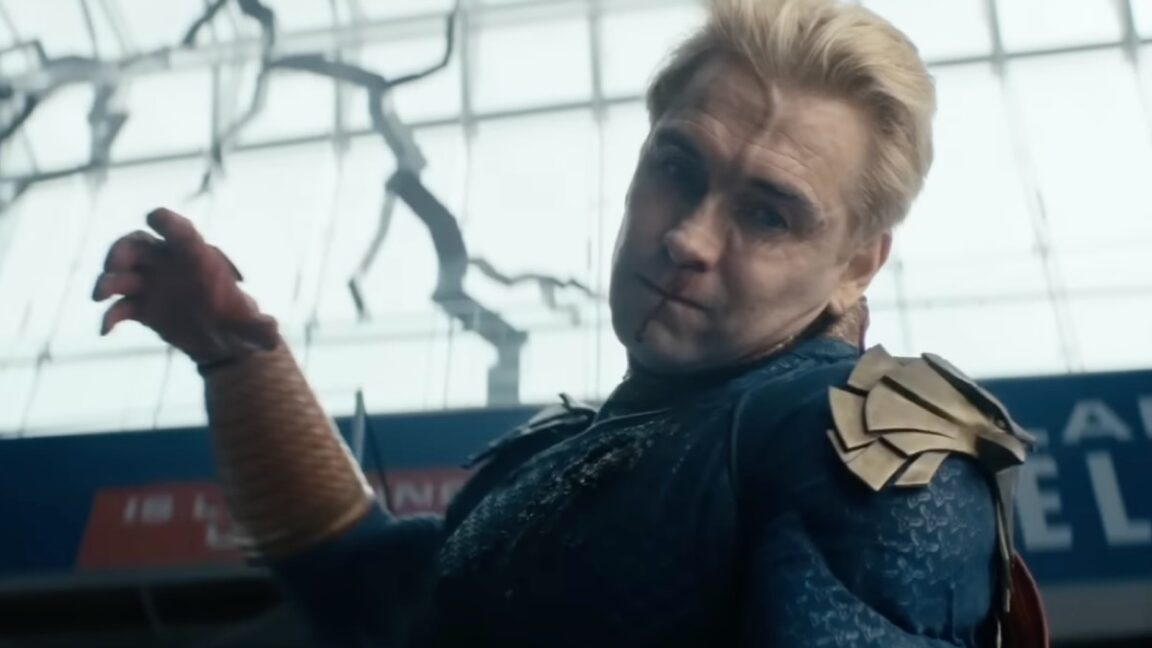
has been an explicitly political show from the beginning, but recent seasons have leaned harder into real-world parallels, especially with Homelander's ascent to governing power in the season-four finale. It was a bit unsettling last year to witness the supe-supremacist speech where Homelander vowed to take revenge on America's "enemies" and ordered his puppet, incoming president Calhoun, to declare martial law.
Television
[ Load more ]