Coronavirus
fromwww.scientificamerican.com
2 hours agoWhy we shouldn't rule out airborne spread of hantavirus
Andes hantavirus can spread between people, but the extent of airborne transmission between humans remains unclear.
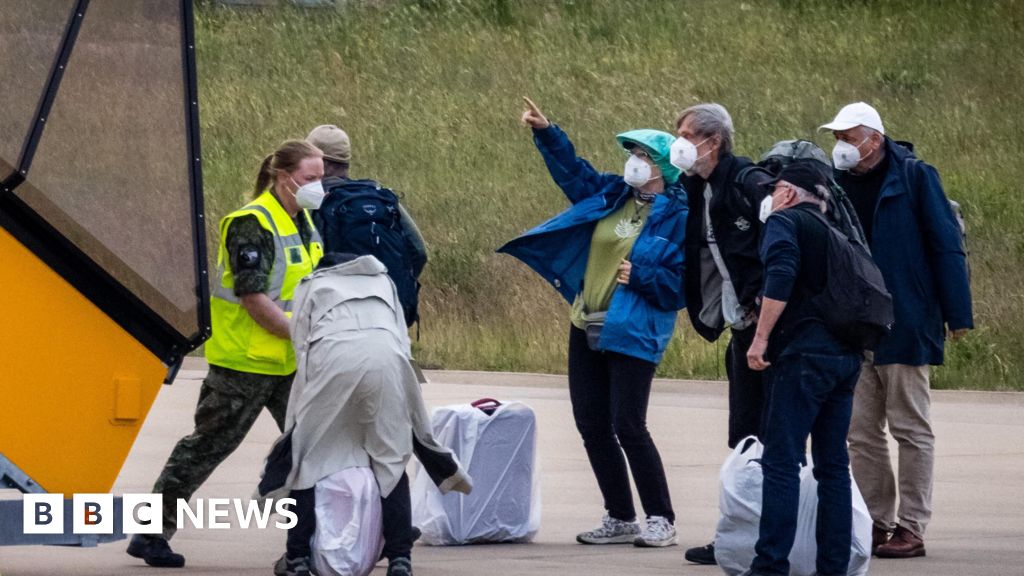
Six people who were on the cruise ship linked to an outbreak of hantavirus have left Arrowe Park hospital in Wirral to isolate at home, health officials have said. Passengers from the MV Hondius were taken to the Merseyside facility for checks by specialists. The UK Health Security Agency (UKHSA) said public health and clinical specialists have assessed each person's circumstances, and after their latest negative test they are being allowed to continue their 45-day isolation at home.
Ontario’s ministry of health is asking seven more people to isolate in relation to a global hantavirus outbreak, though it says those individuals are considered “low-risk” contacts. Jackson Jacobs, a spokesperson for the province’s health minister, said they are in addition to the three people who were asked to isolate after being exposed to the virus while travelling, and are considered “high-risk.” They’re all directed to isolate for 45 days “out of an abundance of caution.”
“There is no sign that we are seeing the start of a larger outbreak...but of course the situation could change, and given the long incubation period of the virus, it's possible we might see more cases in the coming weeks.”
Just to catch people up, this outbreak was first noticed about a week ago on a ship called the MV Hondius, which was a cruise ship departing from South America, Argentina. And the people that were sickened and unfortunately passed away, two of those individuals were a married couple who had been travelingit was a Dutch couplewe think were infected in Argentina and then boarded the ship. And then subsequently, multiple other people have been infected. As of May 7 the number of people on this cruise ship who had been infected with hantavirus was eight people. So that probably could still change.
WHO negotiators left Geneva on May 1 without managing to finalize the key annex meant to activate the global pandemic treaty approved in 2025. The mechanism designed to prevent a repeat of the inequities seen during COVID19. a hantavirus outbreak was beginning to trigger international alarm. The next day, health authorities reported several confirmed and suspected cases aboard the Arctic cruise ship MV Hondius, which had departed from Argentina.
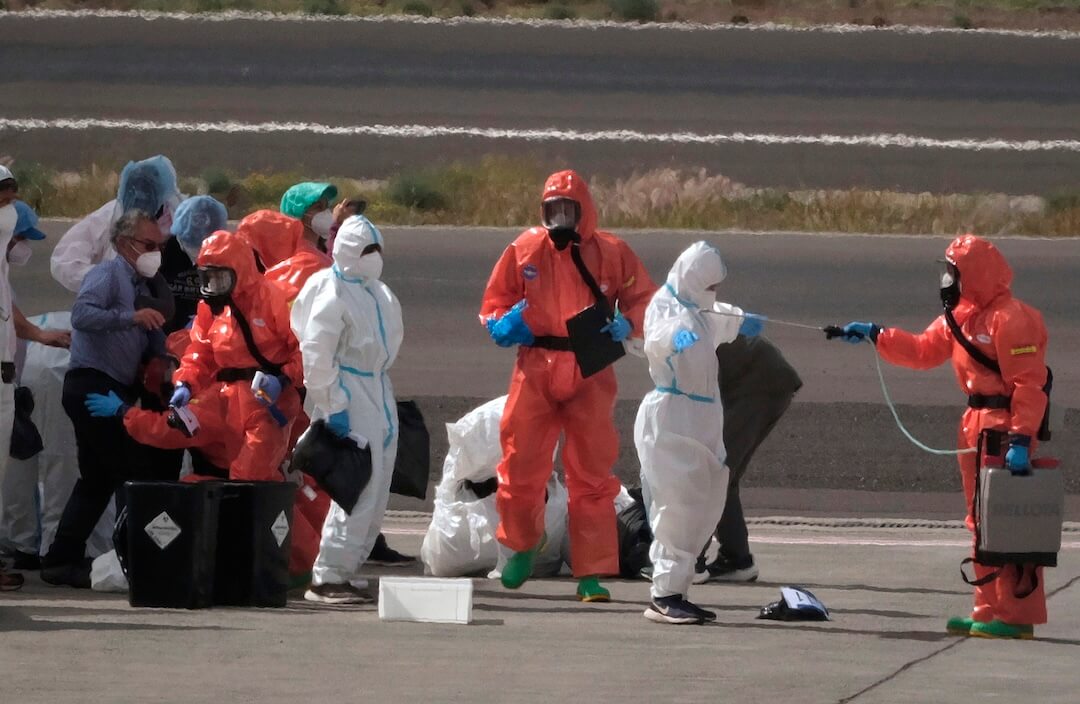
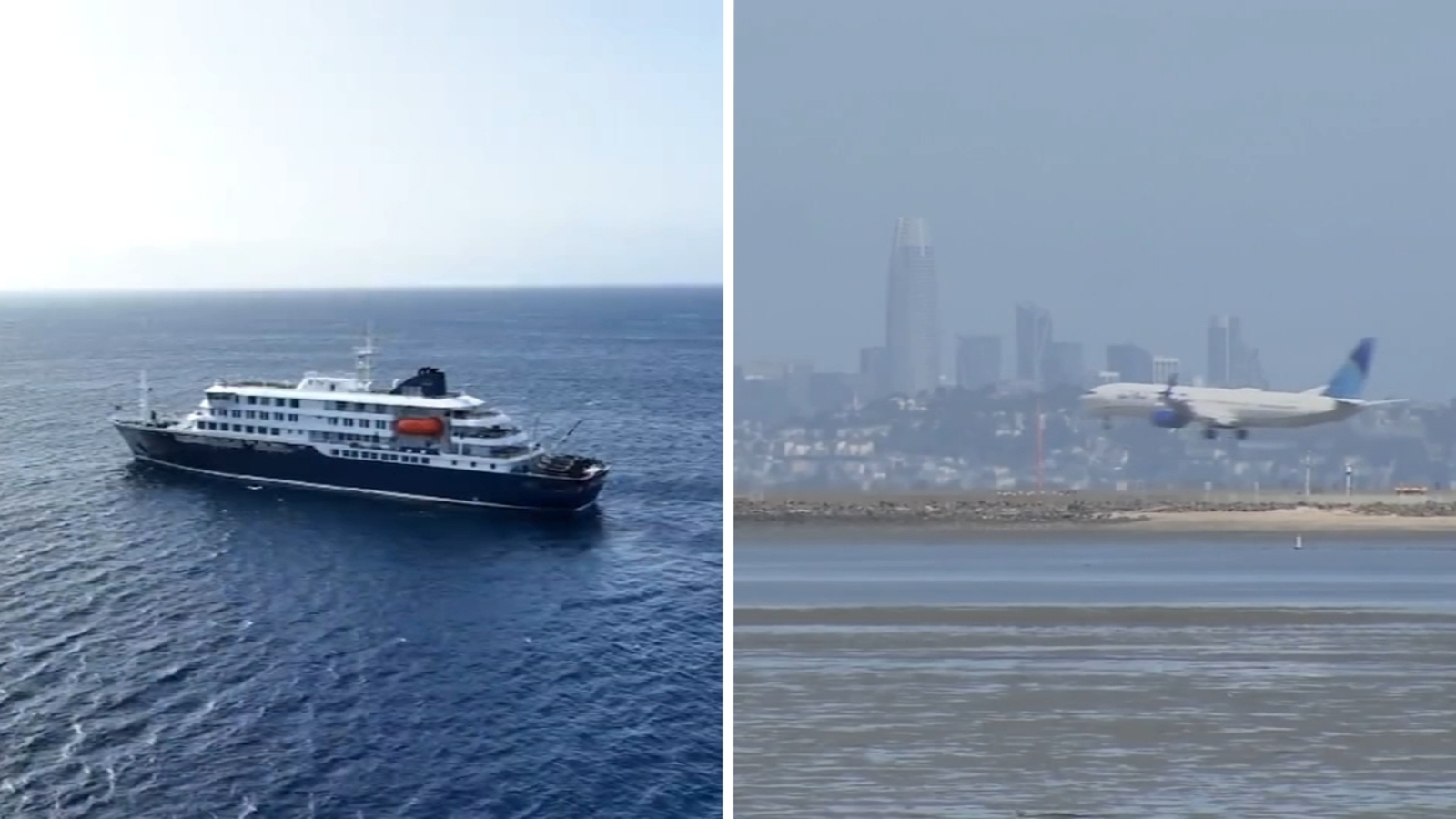
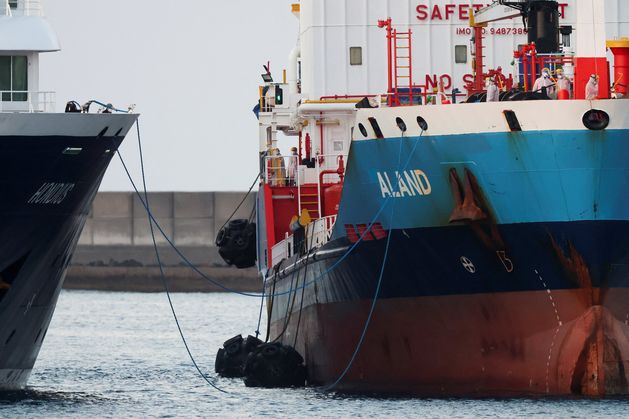
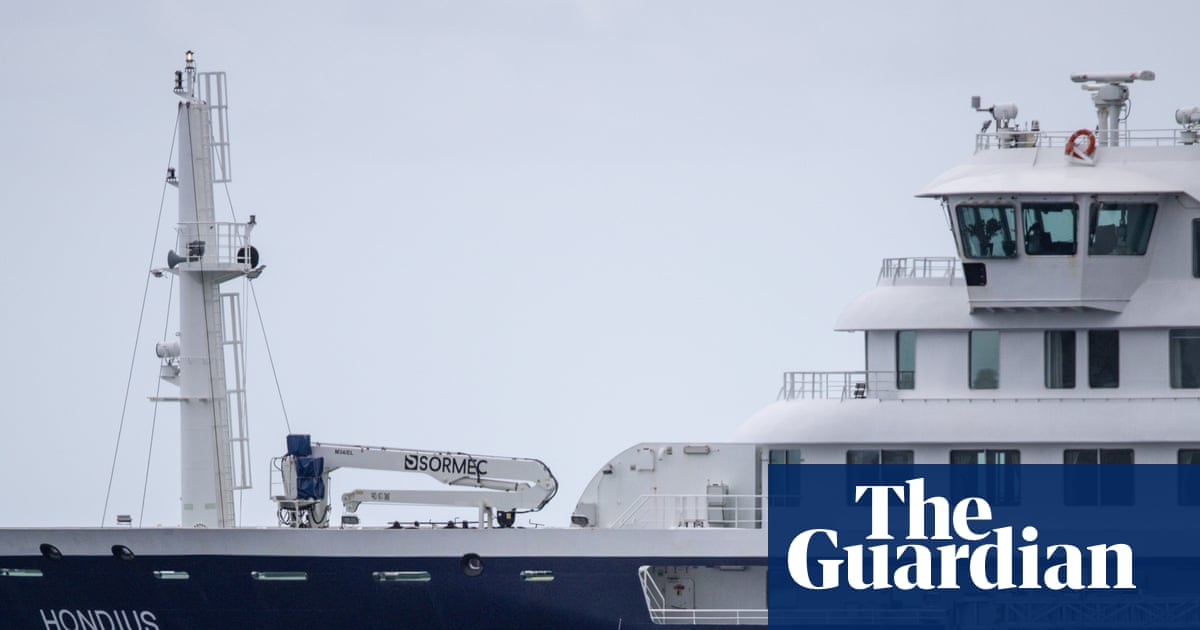
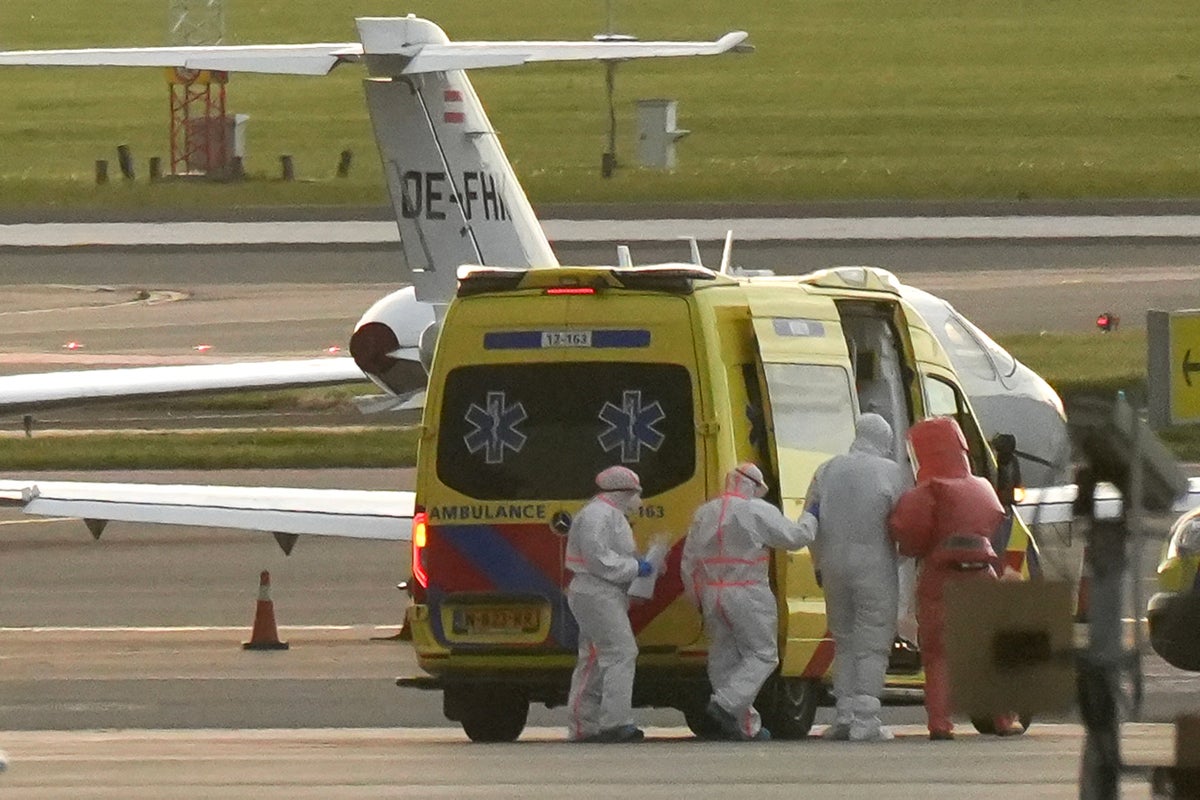
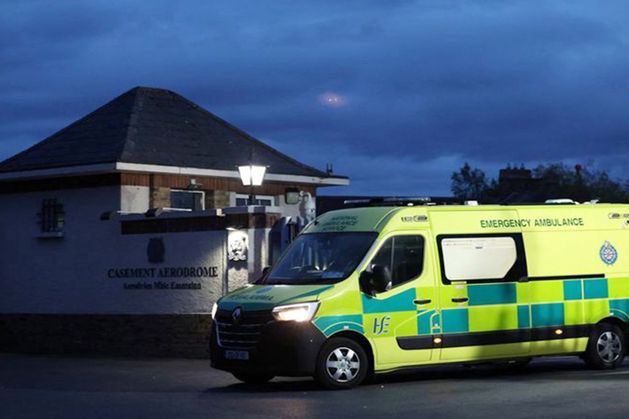
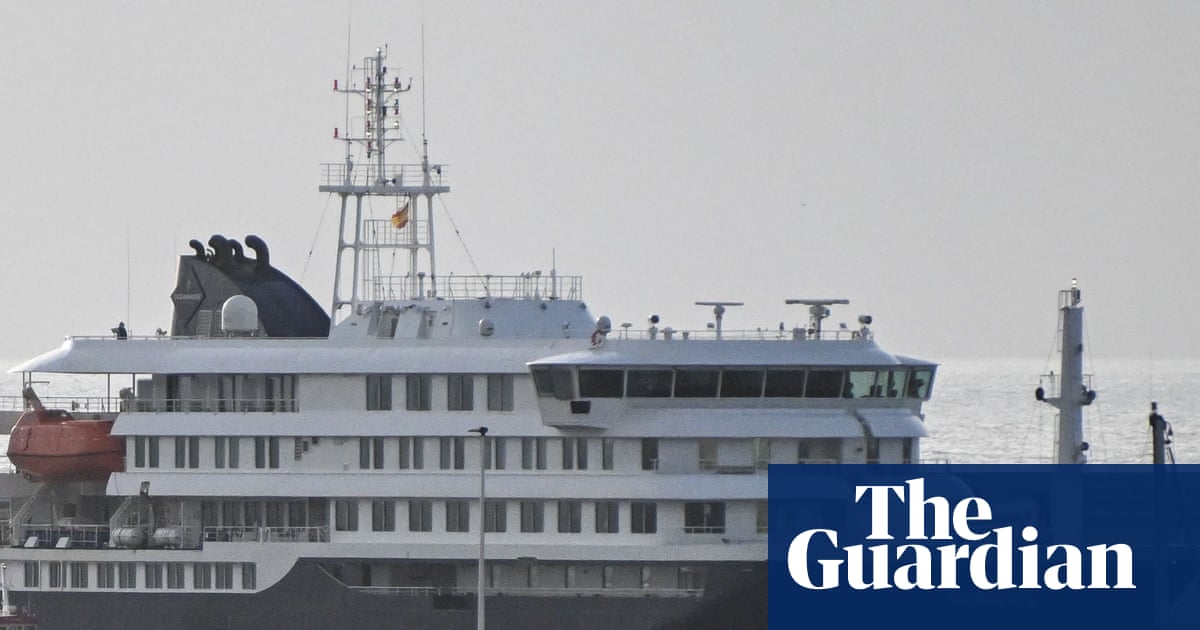
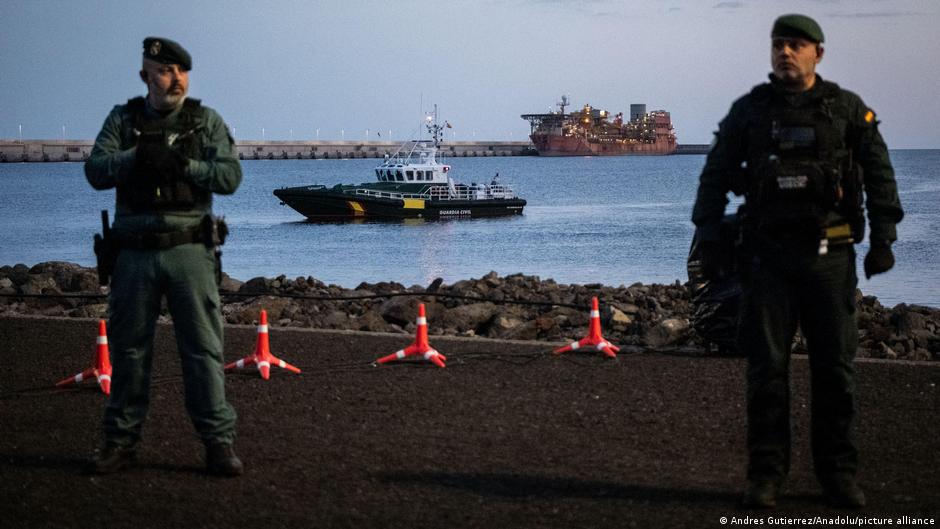
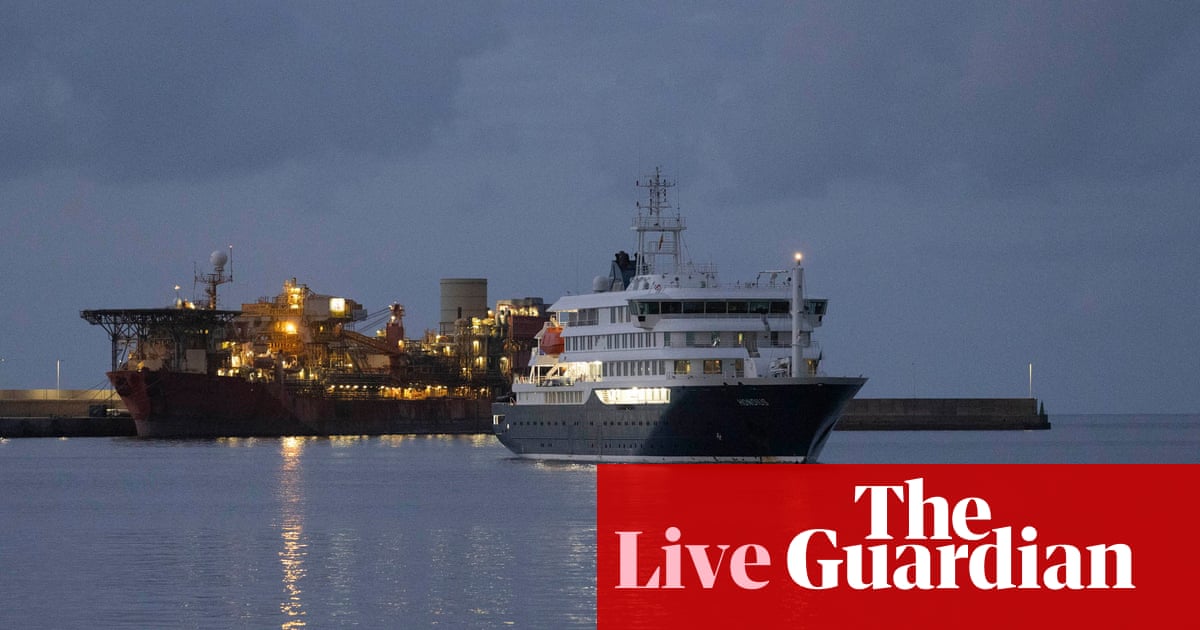
The virus-hit MV Hondius arrived off the Spanish port of Granadilla, Tenerife. The vessel did not dock and is anchored in the harbor. None of the remaining passengers or crew have shown symptoms of infection, though all will be tested. The US, the UK, and several European countries are dispatched aircraft to evacuate their citizens. The head of the World Health Organization said the risk posed by the hantavirus outbreak remains low.
The World Health Organization says the hantavirus poses a low risk to public health. Arrangements are underway to repatriate passengers from a cruise ship after three people on board died. So, how are officials applying the lessons learned during the COVID-19 pandemic to respond to the hantavirus? Presenter: James Bays Guests: Dr Mukesh Kapila Professor Emeritus of Global Health and Humanitarian Affairs at the University of Manchester Dr Margaret Harris Lecturer at the United Nations Institute for Training and Research, former W.H.O. spokeswoman Nicholas Locker Professor of Virology at the Pirbright Institute, near Guildford, UK