#indigenous-rights
#indigenous-rights
[ follow ]
#cop30 #amazon #fossil-fuels #greenland #deforestation #cultural-heritage #environmental-impact #protests
Social justice
fromwww.theguardian.com
14 hours agoCrisis of First Nations children in care will worsen under NT child protection reforms, advocates warn
Amendments remove the Aboriginal child placement principle and replace it with a universal principle, prompting First Nations and justice groups to condemn the reforms.
Social justice
fromwww.theguardian.com
2 days agoWe are treading heavily on the Earth': Ailton Krenak on consumerism, shock tactics and how to sleep in a hammock
Ailton Krenak used symbolic Indigenous bodypainting and powerful speech in Brazil’s constitutional moment, later becoming the first Indigenous member of the Academy of Letters.
Intellectual property law
fromFuturism
6 days agoJames Cameron Accused of Stealing 14-Year-Old Girl's Face for Main Character of Billion-Dollar "Avatar" Films
A Peruvian Indigenous actress alleges James Cameron and Disney used her teen likeness to design Neytiri for Avatar without consent or compensation.

fromThe Art Newspaper - International art news and events
1 week ago1,000-year-old archaeological site bulldozed during construction of Mexico-US border wall
"You can't separate our land from our culture," Eiler tells The Art Newspaper, noting that the border crosses tribal lines, and that she and members of her community still visit their cousins in Mexico for ceremonies in spite of plans to wall off reservation lands, which would separate tribal lands in the US from those in Mexico. The destruction of the intaglio, she adds, "is an insult to our ancestors."
Roam Research
fromwww.aljazeera.com
1 week agoMan charged with murder of five-year-old Australian Indigenous girl
The tragic outcome we were all desperately hoping against has occurred, and no words can measure up to the immensity of the grief her family is going through, stated Australian Prime Minister Anthony Albanese.
Social justice
fromwww.aljazeera.com
1 week agoRiots erupt over Australian Aboriginal girl's murder as suspect arrested
Hundreds of protesters clashed with emergency workers in Alice Springs after police arrested a man suspected of murdering a five-year-old Indigenous girl. Police say about 400 people gathered at Alice Springs Hospital, where the suspect was taken after locals beat him until he was unconscious.
Canada news
fromTruthout
2 weeks agoIndigenous Leaders Warn AI Boom Repeates Patterns of Extraction
For generations, Indigenous peoples have protected the world's most intact ecosystems without satellites, without algorithms or technologies. AI can become a powerful ally to that stewardship, if it is used on our terms in a culturally appropriate way.
Environment

fromThe Nation
3 weeks agoMexican President Claudia Sheinbaum at the Summit for Democracy
I come on behalf of a hardworking, creative, and resilient people, but above all a deeply generous people-a people that has learned to resist without hatred, to defend its rights without ceasing to respect others.
Social justice
World politics
fromHigh Country News
3 weeks agoWar, climate change and AI are at stake at the 2026 UN Indigenous forum - High Country News
Indigenous delegates face significant challenges at the UN, including visa restrictions, climate change, and rights violations amid a focus on health and survival.
fromTruthout
3 weeks agoUS Mining Plan Will Sacrifice Mexico's Environment for Weapons and Tech
"They want us to show these gringo companies where the minerals are and then go and hand over everything, all without a fuss. That's concerning, because where does it leave us, as Mexicans? Basically, they are going to keep stealing from us."
Environment
Social justice
fromwww.theguardian.com
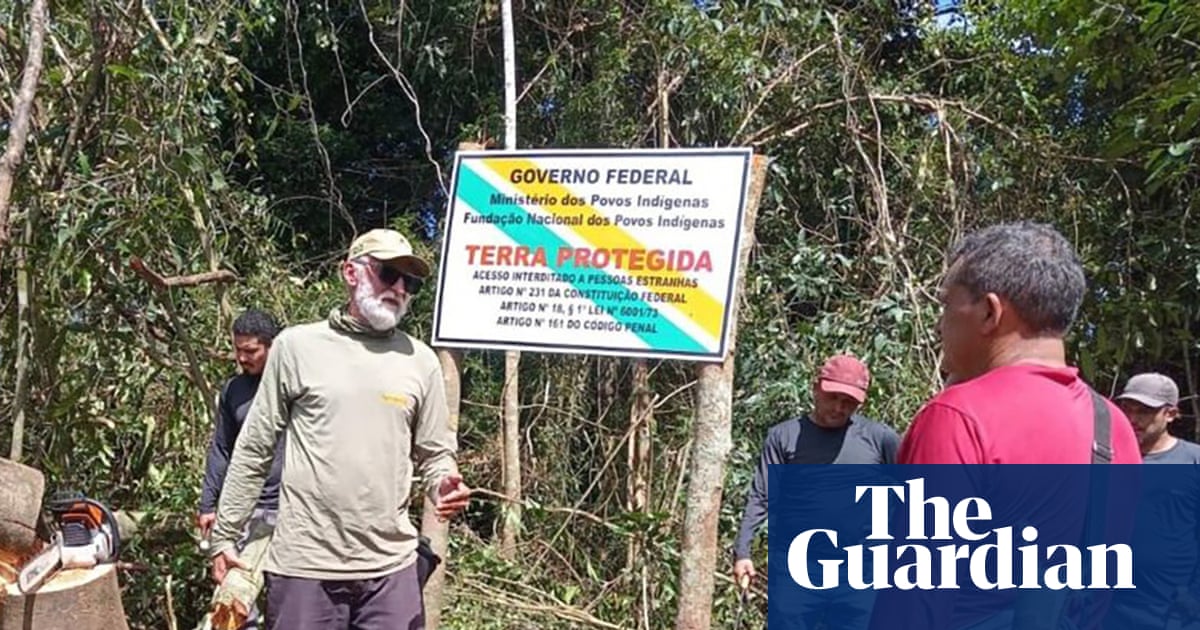
4 weeks agoWe took clothes, a blanket and a dog': the people displaced by a dam 50 years ago, but still fighting for justice
The Itaipu hydroelectric dam construction displaced the Ava-Guarani people, disrupting their territory and culture, with ongoing struggles for justice and recognition.
fromPinkNews | Latest lesbian, gay, bi and trans news | LGBTQ+ news
1 month agoNo, Canada hasn't updated the LGBTQ+ acronym to MMIWG2SLGBTQQIA+
When the Budget was released, I was shocked to find out that Prime Minister Carney is cutting $7billion between Indigenous Services Canada and Crown-Indigenous Relations. They provided $0 to deal with the ongoing genocide of MMIWG2SLGBTQQIA+. This is abhorrent. This is callous.
LGBT
fromenglish.elpais.com
1 month agoThe United States damages millennia-old archaeological site with explosives to build the border wall
The U.S. crackdown on migration from Mexico has destroyed a sacred site shared by both countries. Explosions were heard last weekend on Cuchuma Hill as part of construction work on the border wall.
Mission District
fromNonprofit Quarterly | Civic News. Empowering Nonprofits. Advancing Justice.
1 month agoFinally Free, Leonard Peltier Offers Intergenerational Wisdom for Resistance | Nonprofit Quarterly | Civic News. Empowering Nonprofits. Advancing Justice.
Thank you...for being able to fight for my freedom. But what's more important than that is that you continue to fight for your land and to continue to fight for your people and all people.
Social justice
Environment
fromwww.theguardian.com
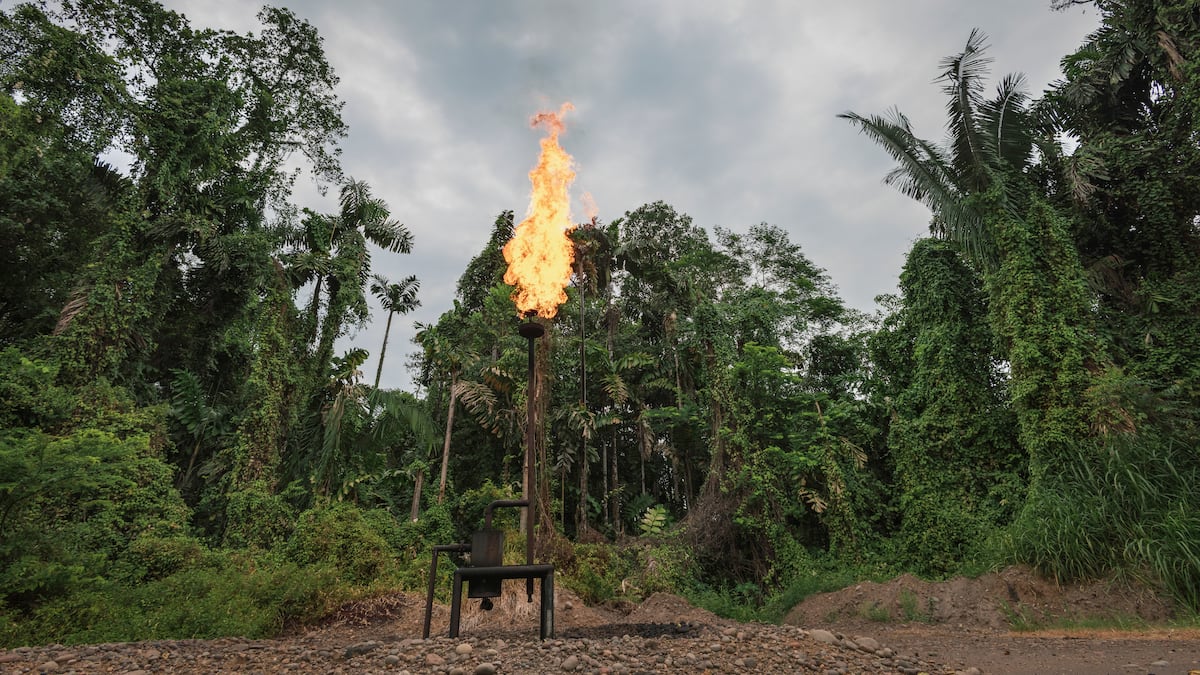
1 month agoIf they pollute our rivers, what will become of us?': the town divided between hope and fear in Brazil's Amazon oil rush
Oiapoque, Brazil, is poised for development through oil production, raising concerns about environmental impacts and Indigenous rights amid a global energy transition.
Online Community Development
fromwww.theguardian.com
1 month agoVanuatu Indigenous leaders raise concerns over plans to build resort for cruise tourists
Indigenous leaders in Vanuatu oppose Royal Caribbean's beach club plans, citing incomplete environmental assessments and potential harm to ecosystems.
fromwww.theguardian.com
1 month agoMore young people want to vote in New Zealand's Maori electorates. What are they and how do they work?
The latest figures show 58% of eligible 18- to 24-year-olds have registered for the Maori roll, up from 50% in 2023. This increase follows years of tense relations between Indigenous New Zealanders and the centre-right coalition government.
US Elections
Social justice
fromHigh Country News
1 month agoCongress contemplates sweeping investigation of Native boarding schools - High Country News
A federal commission is proposed to document testimonies of Indigenous boarding school survivors and investigate the federal government's role in these institutions.
fromTruthout
1 month agoEcuador Is Suspending the Bank Accounts of Environmental Activists
Financial strangulation, as he put it, is the latest weapon in the government's escalating effort to clear the way for expanded mining and oil development in one of the world's most biodiverse countries. Months earlier, officials had temporarily frozen the accounts of several of Ecuador's most prominent environmental defenders, including Tapia, citing investigations into unjust private enrichment and financing terrorism.
Social justice
fromwww.theguardian.com
2 months agoKast is more like Trump': Chile's environmentalists prepare to do battle for the country's future
The highlands are the sustenance of life, and all that water comes down from the mountains to the valleys, such as Azapa and Lluta and to the coast. The city of Arica is on the coast. So, we have a very serious problem. We will not have water—not for agriculture, not for livestock, not for tourism.
Miscellaneous
Social justice
fromenglish.elpais.com
2 months agoInternational ruling protects the Garifuna people from Survivor' shoot in Honduras
The Inter-American Court of Human Rights condemned Honduras for violating Garifuna collective property rights and political participation by designating Cayos Cochinos a protected area without proper consultation, favoring tourism and television production over indigenous residents' ancestral access.
Madrid food
fromenglish.elpais.com
2 months agoBerta Caceres and the resistance that was born under an oak tree
Berta Caceres, a Lenca leader murdered in Honduras in 2016 for defending the Gualcarque River against business and military interests, remains a symbol of both judicial progress and persistent impunity in human rights defense.
UK politics
fromwww.independent.co.uk
2 months agoStarmer to be accused of crimes against humanity' in legal challenge to Chagos deal
UK Prime Minister Keir Starmer faces legal challenges over his agreement to cede the Chagos Islands to Mauritius, with indigenous Chagossians claiming the deal constitutes a crime against humanity and potential genocide.
fromThe Art Newspaper - International art news and events
3 months ago'These are dirty funds': Indigenous Brazilian leader slams Science Museum for oil sponsorship ahead of climate show
BP's sponsorship of the museum has long drawn ire, in part because the oil company pursues an "all out for oil and gas" strategy, including plans to exploit deep drilling at the recently discovered Burmerangue site off the coast of Brazil. The project has been criticised by campaigners and oil and gas unions due to its threat to ocean ecosystems, elevated carbon dioxide levels, and lack of revenue flowing back into the Brazilian economy.
Environment

World news
fromwww.theguardian.com
3 months agoThey survived conquistadors and settlers. Now the Arhuaco are facing an even greater threat
Arhuaco face escalating violence as paramilitaries, guerrillas, and traffickers seize Sierra Nevada territory to control drug routes, coca regions, and illicit mineral extraction.
Miscellaneous
fromwww.theguardian.com
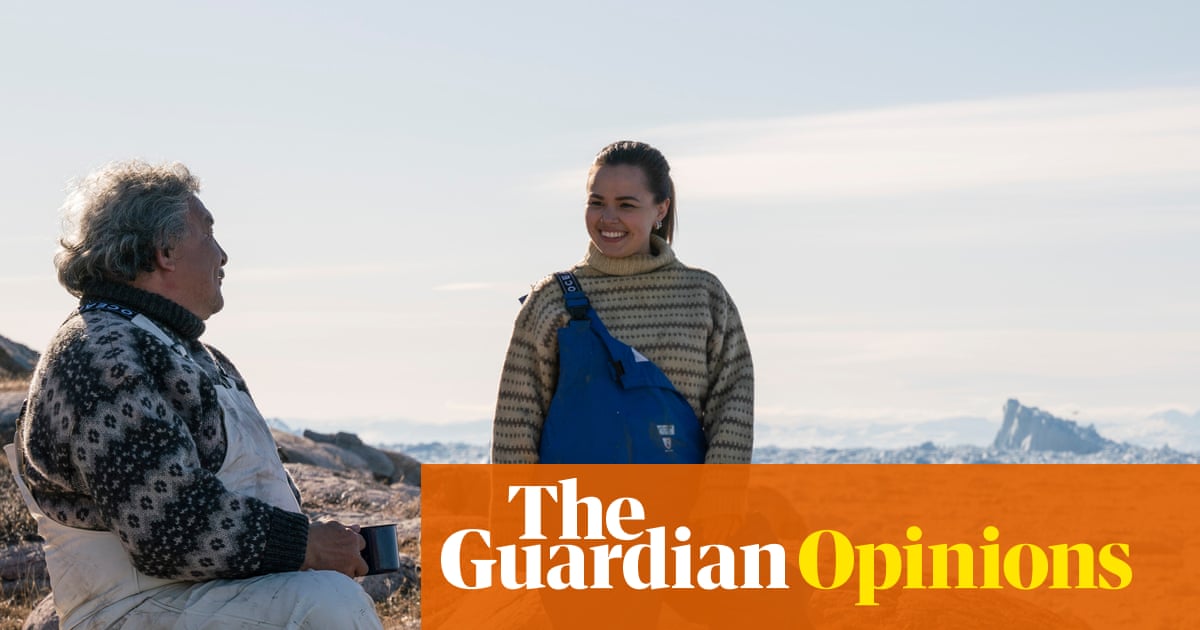
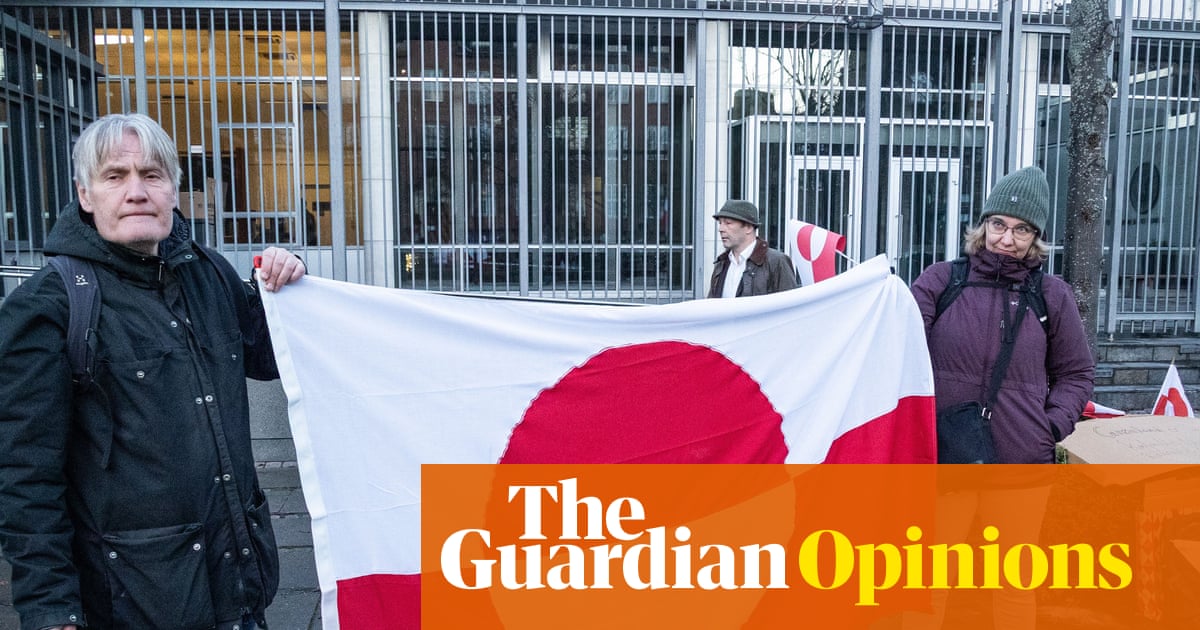
3 months agoGreenland's tragedy: the dream of independence now looks like a trap laid by Donald Trump | Rune Lykkeberg
Two competing narratives frame Greenland–Denmark relations: Danish-state integration as successful modernisation and Greenlandic perspective viewing continuing colonisation.
fromwww.aljazeera.com
3 months agoWho owns the Arctic?
Global warming is thawing the Arctic and igniting a high-stakes race for the riches beneath its ice. Global warming is heating up the Arctic, and global powers like the United States, Russia and China are manoeuvring to stake a claim to the resources under its melting ice. Some experts say the region, once known as an exception an island of international cooperation in the midst of geopolitical struggles is becoming the site of a second cold war.
World news
fromwww.theguardian.com
4 months agoViolence, death and stolen land: people need to know the true cost of an avocado | Claudia Ignacio Alvarez
I grew up in San Andres Tzirondaro, a Purepecha community on the shores of Lake Patzcuaro in the Mexican state of Michoacan. My childhood was shaped by water, forests and music. The lake fed us. The forest protected us. In the afternoons, people gathered in the local square while bands passed through playing pirekua, our traditional music. That way of life is now under threat as our land is extracted for profit.
Environment
fromwww.theguardian.com
4 months agoThe source of all life is here': plan to mine lithium in Chilean salt flat sparks fears of water scarcity
She also keeps chickens and has planted quince and peach trees and grapevines, which are watered by a stream winding down the hills towards the Indigenous community of Copiapo. But now the huge British-Australian mining multinational Rio Tinto has signed a deal to extract lithium, the white gold of the energy transition, from a salt flat farther up the mountains,
Environment
Environment
fromwww.theguardian.com
4 months agoIt's easy to feel powerless about climate chaos. Here's what gives me hope | Nina Lakhani
Grassroots climate justice movements and community power are dismantling the status quo, securing major victories by confronting governments, corporations, and systemic inequities.
fromwww.aljazeera.com
4 months agoA Filipino tribe fights to stay as a Smart City' rises on a former US base
Two hours north of the capital, Manila, on the vast grounds of a former United States military base, the Philippine government is pushing ahead with plans for a multibillion-dollar smart city that President Ferdinand Marcos Jr hopes to turn into a future mecca for tourists and a magnet for investors. The New Clark City, which is being built on the former Clark Air Base, is central to the government's effort to attract foreign investment and ease congestion in Manila, where nearly 15 million people live.
World news
fromPrx
4 months agoThe World
In this holiday special, The World visits Greenland. Former Greenlandic Prime Minister Mute B. Egede stated this year, "We do not want to be Danish, we do not want to be American. We want to be Greenlandic." We look at divided opinions around the territory's independence. Also, a look at Denmark's controversial parenting test that resulted in a disproportionate number of Inuit families being separated.
Miscellaneous
Environment
fromNonprofit Quarterly | Civic News. Empowering Nonprofits. Advancing Justice.
4 months agoClimate Conservationists Push for People to Live with Nature Rather Than Against It | Nonprofit Quarterly | Civic News. Empowering Nonprofits. Advancing Justice.
Approval of the 211-mile Ambler Road reopens mining access across Alaskan wilderness, prompting legal challenges from conservation groups and Indigenous tribes over wildlife impacts.

fromenglish.elpais.com
5 months agoThe Anace Indigenous people are protesting TikTok's construction of the largest data center in Brazil
Before getting into the details, Roberto Ytaysaba, who is from Brazil, wants to make one thing perfectly clear: neither he nor the Anace Indigenous people, whom he leads, are against progress. We're not against progress if it respects the communities, nature, spirituality, the autonomy of [native] peoples and Convention 169, he clarifies, one recent morning in his village. They've had electricity here since the 1980s. The school teaches ethnomathematics to the children.
Social justice
Social justice
fromNonprofit Quarterly | Civic News. Empowering Nonprofits. Advancing Justice.
5 months agoA Lakota Matriarch Offers Perspective on the Long Struggle for LandBack | Nonprofit Quarterly | Civic News. Empowering Nonprofits. Advancing Justice.
Intergenerational Indigenous organizing preserves history, defends land and water, and sustains long-term movements for land return and social justice.
fromwww.theguardian.com
5 months agoProtests, tears and a baby: five key images that tell the story of Cop30
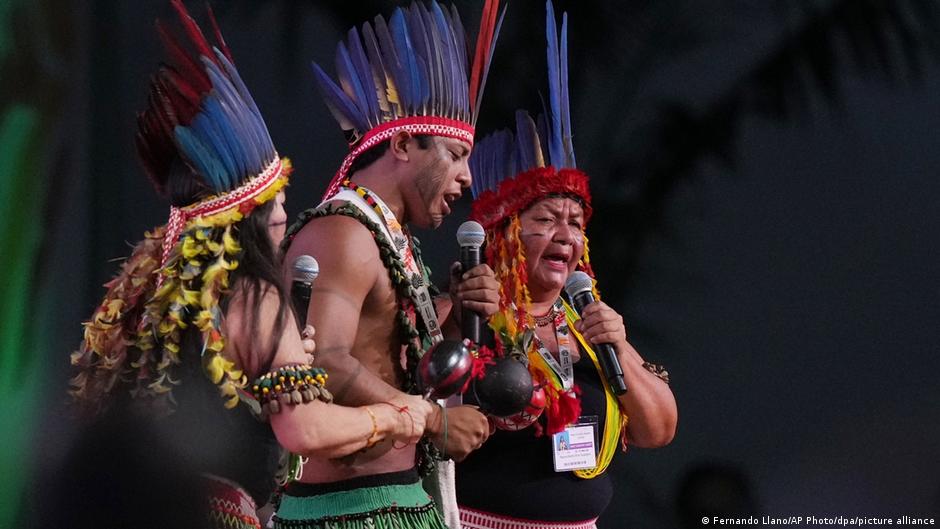
It was a tense moment. A group of about 50 people from the Munduruku, an Indigenous people in the Amazon basin, had blocked the entrance to the Cop30 venue in protest, causing long lines of delegates to snake down access roads, simmering in the morning heat. The Munduruku, unhappy about the ruination of their forest and rivers by industry and their lack of voice at Cop30, demanded to speak to Lula da Silva, Brazil's president.
Environment
fromsfist.com
5 months agoAlcatraz Island's Indigenous Thanksgiving Sunrise Gathering Has Its 50th Anniversary Thursday
It was 50 years ago this Thursday that San Francisco's own annual Unthanksgiving' started on Alcatraz Island, and as always, this year's sunrise ceremony will be streaming online if you can't make it to Alcatraz at 6 am. We are reminded that this is Yelamu, Ohlone Territory on Thanksgiving morning when Alcatraz Island is the site of this Thursday's 50th anniversary Indigenous Thanksgiving Sunrise Gathering.
Social justice
fromHigh Country News
5 months agoWestern climate litigants keep fighting - High Country News
But that began to change in 2015, when oil and gas drillers started fracking operations in the state's northwest corner, known as the Greater Chaco Landscape. Soon, Atencio's grandmother's land was surrounded by noise and air pollution. In 2019, both the land and the water beneath it were contaminated by massive spills that leaked thousands of gallons of oil. Once-abundant plants, including traditional medicinal herbs, no longer grew on the land, and rare birds and wildlife were disappearing, too.
Environment



Social justice
fromwww.theguardian.com
5 months agoUN to hear human rights complaint over New Zealand's treatment of Maori
The UN accepted an urgent complaint alleging New Zealand’s coalition government is responsible for significant, ongoing discrimination against Maori and may request a government response.
Environment
fromwww.theguardian.com
5 months agoMore than 300 big agriculture lobbyists took part in Cop30, investigation finds
Over 300 industrial agriculture lobbyists attended UN climate talks in the Amazon, many with privileged access, despite agriculture driving emissions and Amazon deforestation.
fromwww.theguardian.com
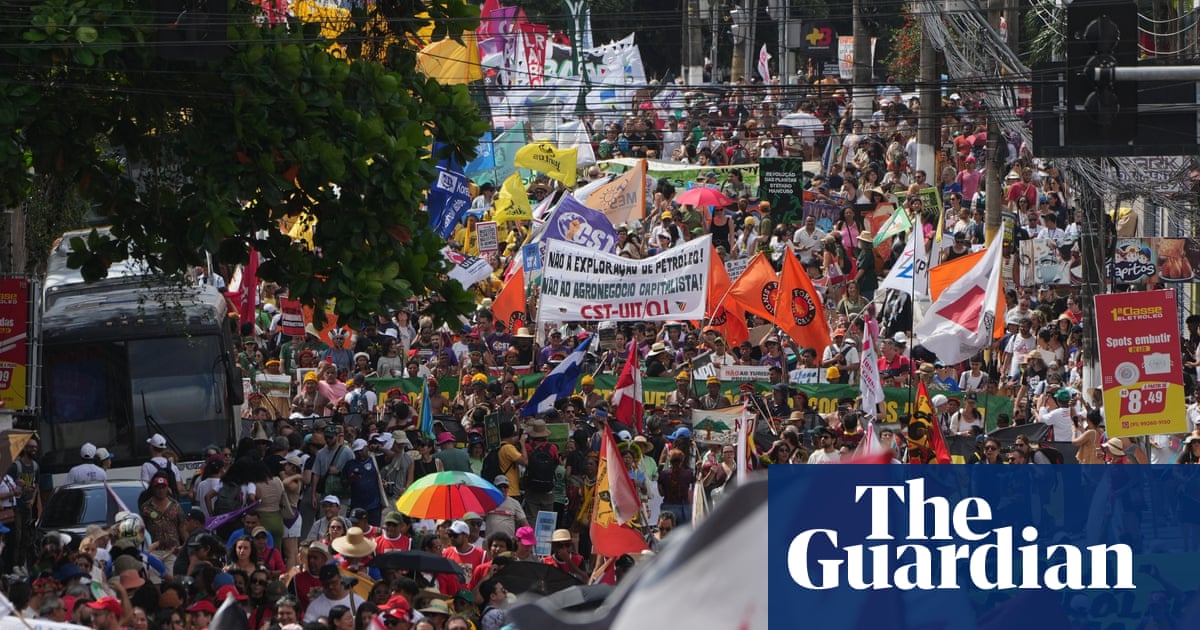
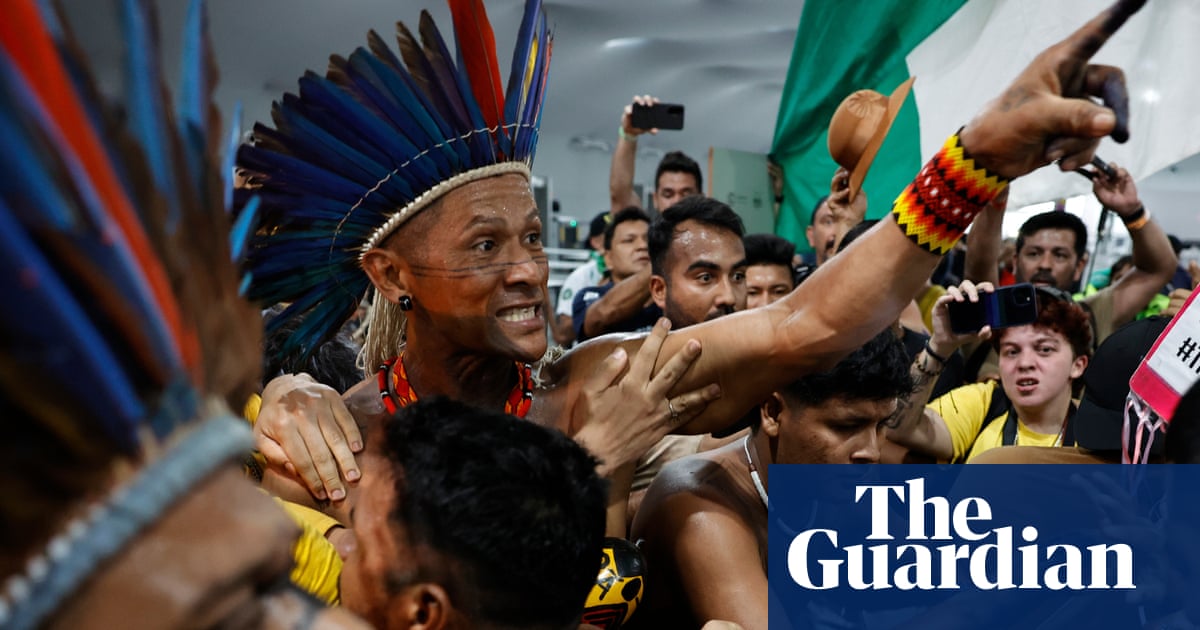
5 months agoProtesters blockade Cop30 summit over plight of Indigenous peoples
Protesters blockaded the main entrance to the Cop30 climate conference for several hours early on Friday morning, demanding to speak to Brazil's president about the plight of the country's Indigenous peoples. About 50 people from the Munduruku people in the Amazon basin blocked the entrance with some assistance from international green groups, watched by a huge phalanx of riot police, soldiers and military vehicles.
Environment
fromenglish.elpais.com
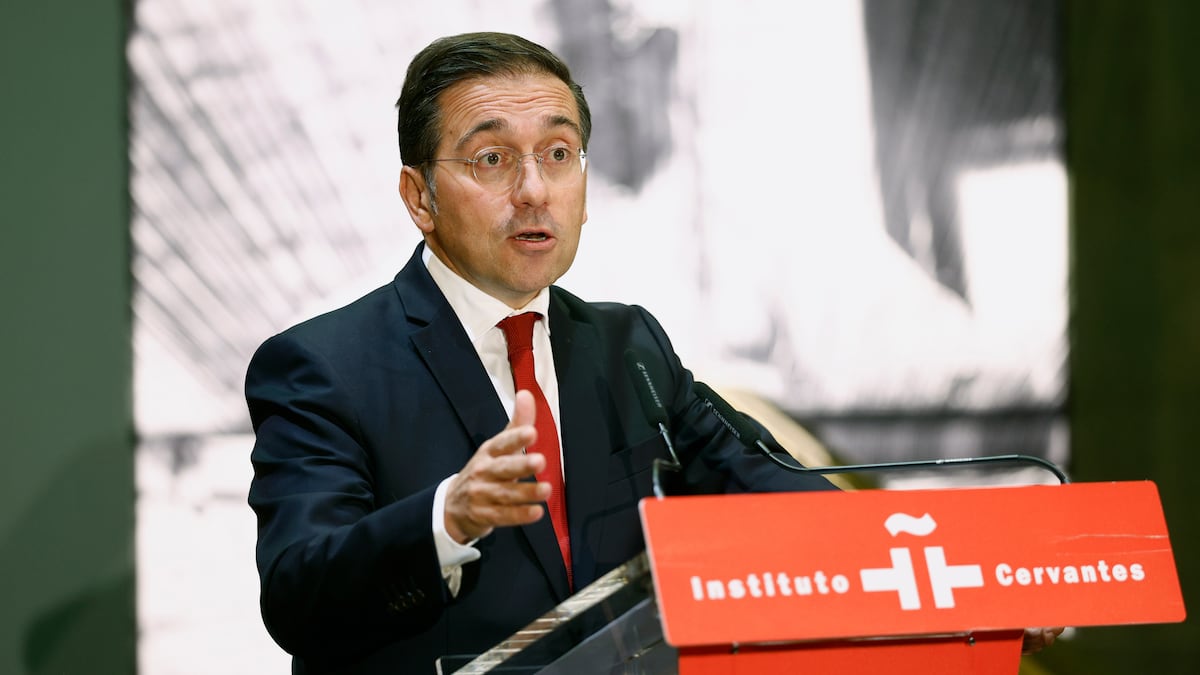
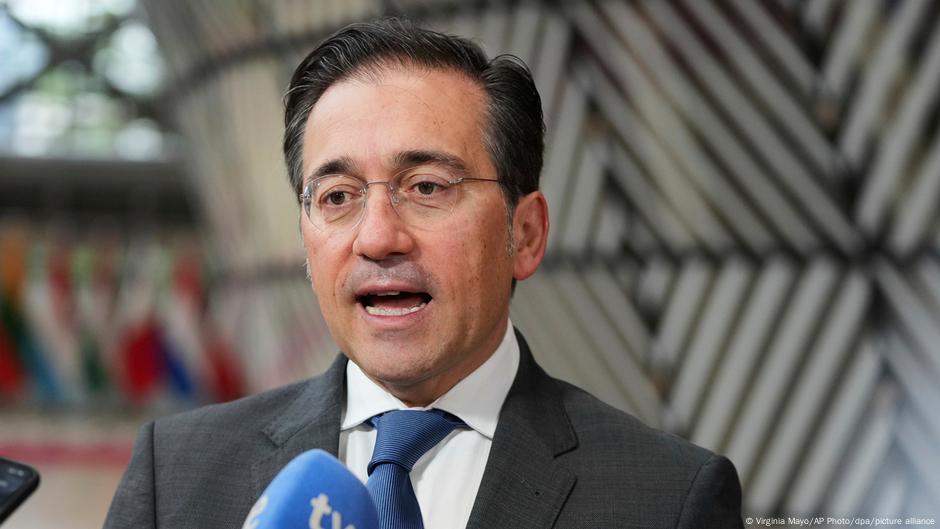
6 months agoMexico and Spain open the door to diplomatic reconciliation after seven years of tensions
Spain, which initially dismissed any possibility of issuing such an apology in strong terms, acknowledged last Friday through Spanish Foreign Minister Jose Manuel Albares that there was pain and injustice inflicted upon the Indigenous peoples of the Americas. While the statement did not come directly from the Crown, as the Mexican government had hoped, it nonetheless represents a gesture of enormous symbolic and political significance, aimed at repairing the strained diplomatic relationship which at times verged on hostility.
World news
Canada news
fromwww.aljazeera.com
6 months agoQuebec's disastrous forest reform bill was killed, but the threat remains
Quebec's proposed Bill 97 prioritized large-scale industrial logging over environmental protection and Indigenous rights, prompting broad Indigenous and civil opposition and eventual abandonment.
fromwww.theguardian.com
6 months agoI am the first Indigenous journalist to exclusively interview Antonio Guterres. How many others will listen?
I am a young Xipai Indigenous man, and have lived my entire life in a village in the middle of the largest tropical forest on the planet, the Amazon. As an Indigenous man, I know very well the pain of the forest, because its body is an extension of ours. When I speak of the body of the forest, it is neither this nor that; it is everything.
World news
World news
fromwww.theguardian.com
6 months agoAustralia's first formal treaty with Indigenous traditional owners passed in Victoria
Victoria passed Australia's first formal treaty with Indigenous traditional owners, creating mechanisms for Aboriginal self-determination, cultural recognition, and local co-design of services.
Environment
fromwww.npr.org
6 months agoTrump administration finalizes plan to open pristine Alaska wildlife refuge to oil and gas drilling
Federal government authorized opening Arctic National Wildlife Refuge coastal plain for oil and gas leasing, fulfilling Trump-era commitments and prompting Indigenous and local community divisions.
US politics
fromwww.theguardian.com
6 months agoWhite House approves increased oil and gas drilling in Alaska's national wildlife refuge
Trump administration approved oil and gas drilling across 1.56 million acres of Alaska's Arctic National Wildlife Refuge and reissued permits for the Ambler Road Project.
fromwww.theguardian.com
6 months agoBrazil greenlights oil drilling in Amazon as environmentalists raise alarm
Brazil's Petrobras has been given permission to drill for oil near the mouth of the Amazon River, casting a shadow over the country's green ambitions as it prepares to host UN climate talks. Luiz Inacio Lula da Silva, the president, has come under fire from conservationists who argue his oil expansion plans clash with his image as a global leader on climate change. Brazil will host Cop30 climate talks in the Amazon city of Belem next month.
Environment

Arts
fromABC7 San Francisco
6 months agoEster Hernandez's art has been censored, shown at Smithsonian. Now it's being preserved at Stanford
Ester Hernández creates provocative Chicano and Indigenous-themed art addressing pesticide contamination, cultural symbolism, and social justice, exemplified by the 1982 'Sun Mad' print.
Social justice
fromNon Profit News | Nonprofit Quarterly
7 months agoWhat Is Reparative Capital and Why Does It Matter? - Non Profit News | Nonprofit Quarterly
Reparative capital directs funds to repair theft and systemic harm inflicted on African and Indigenous peoples, using nonextractive, patient, and culturally grounded financial practices.
[ Load more ]