#internet-blackout
#internet-blackout
[ follow ]
#iran-protests #iran #protests #human-rights #us-iran-tensions #government-crackdown #casualties #bobi-wine




World news
fromWIRED
2 months agoThe Future of Iran's Internet Is More Uncertain Than Ever
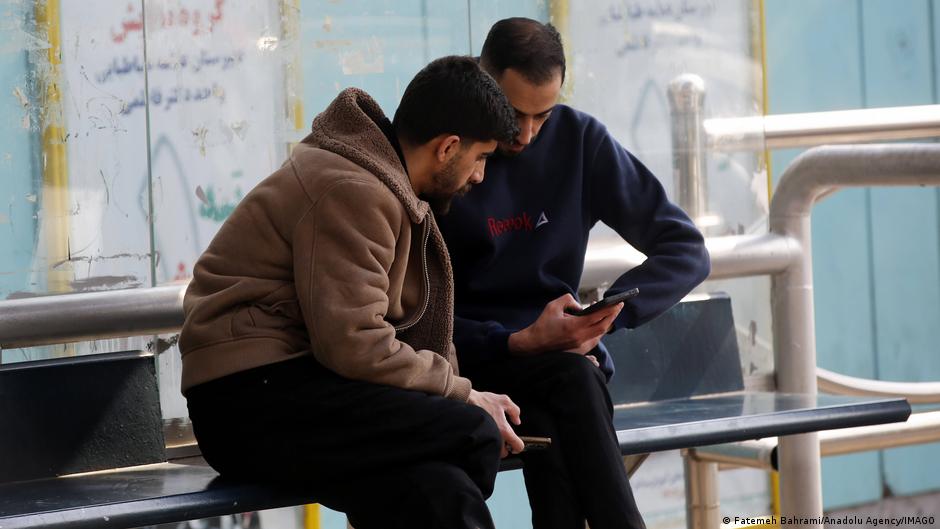
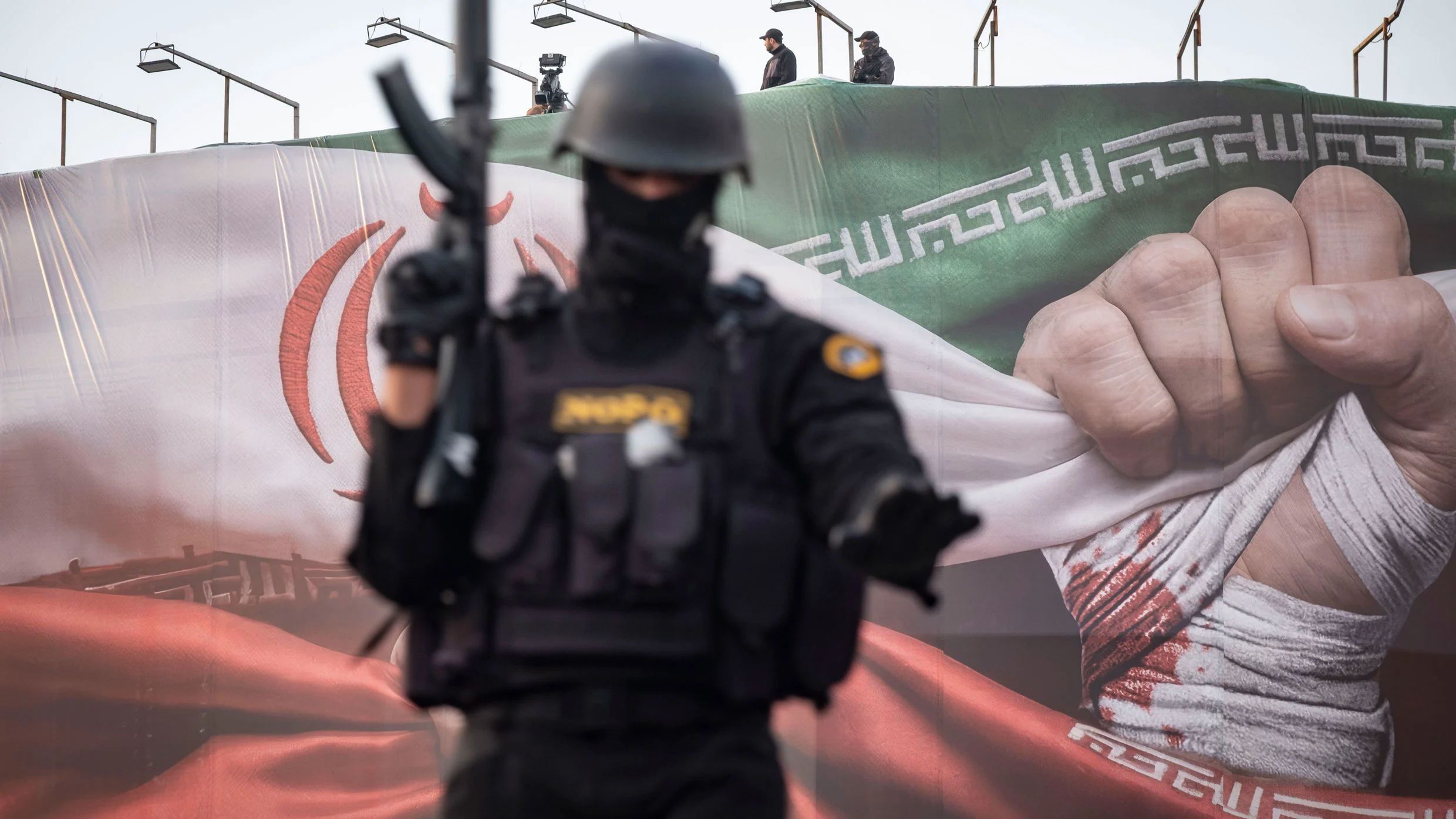
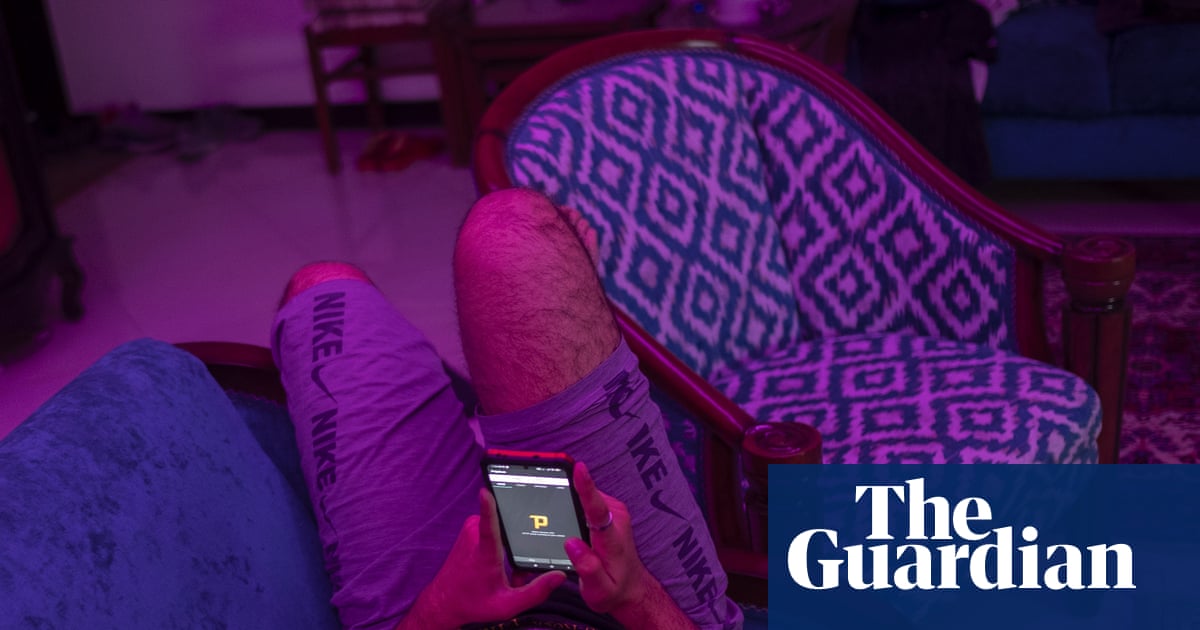
Iran has imposed a total internet blackout affecting 90 million people following US and Israeli military strikes, with only government, military, and wealthy elites maintaining outside internet access through selective whitelisting.
fromwww.aljazeera.com
2 months agoIran's Women's Asian Cup team have so much concern' for families back home
Obviously, we have so much concern for our families and our loved ones and all other people inside our country, which we are fully disconnected with. Here, we are coming to play football professionally and we will do our best to concentrate on the match ahead.
Women
World politics
fromWIRED
2 months agoHow Journalists Are Reporting From Iran With No Internet
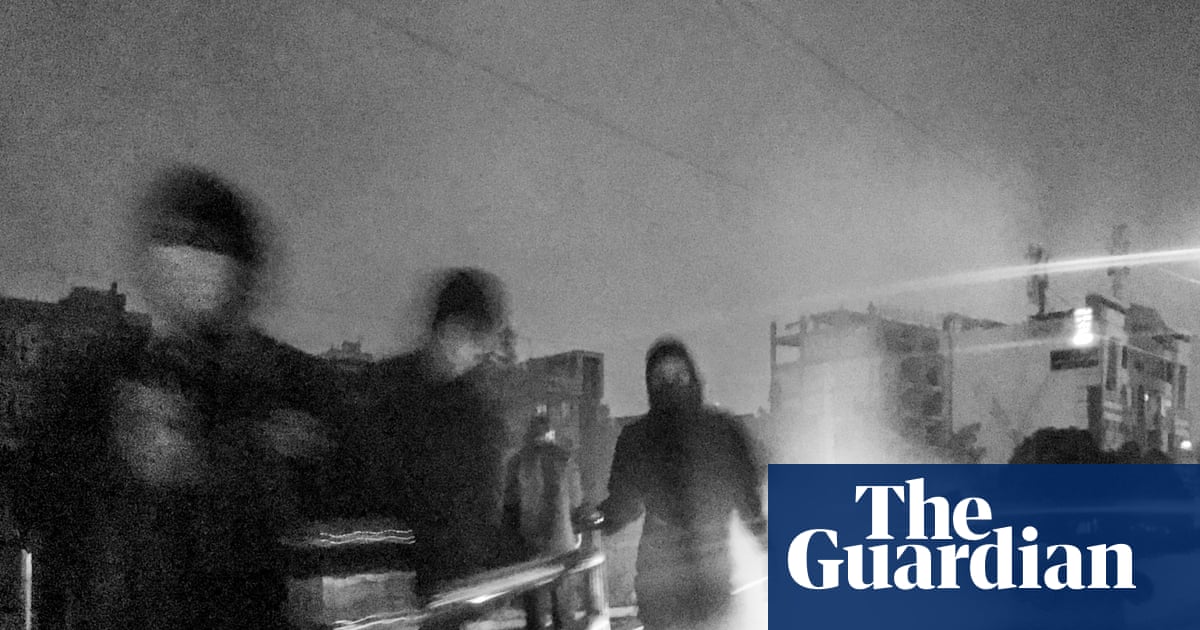
Iran imposed a near-total internet blackout following coordinated Israeli and American strikes on a Tehran military compound, cutting off journalists and citizens from communication tools and external contact.


fromwww.aljazeera.com
3 months agoIran's economy falters as internet shutdown hits people, businesses hard
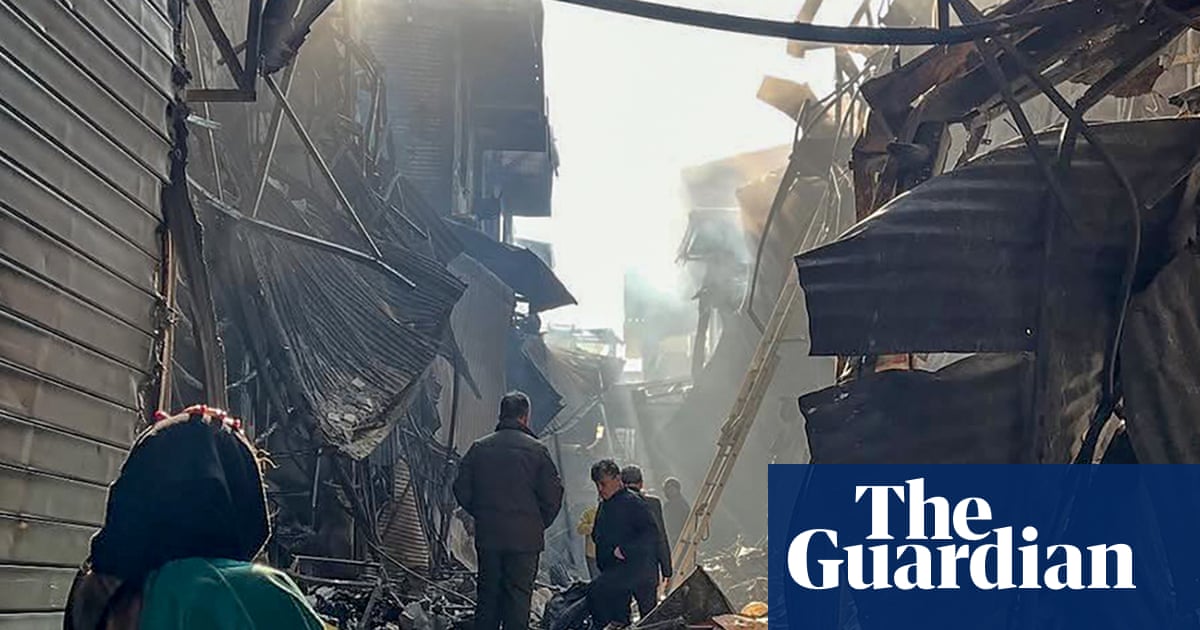
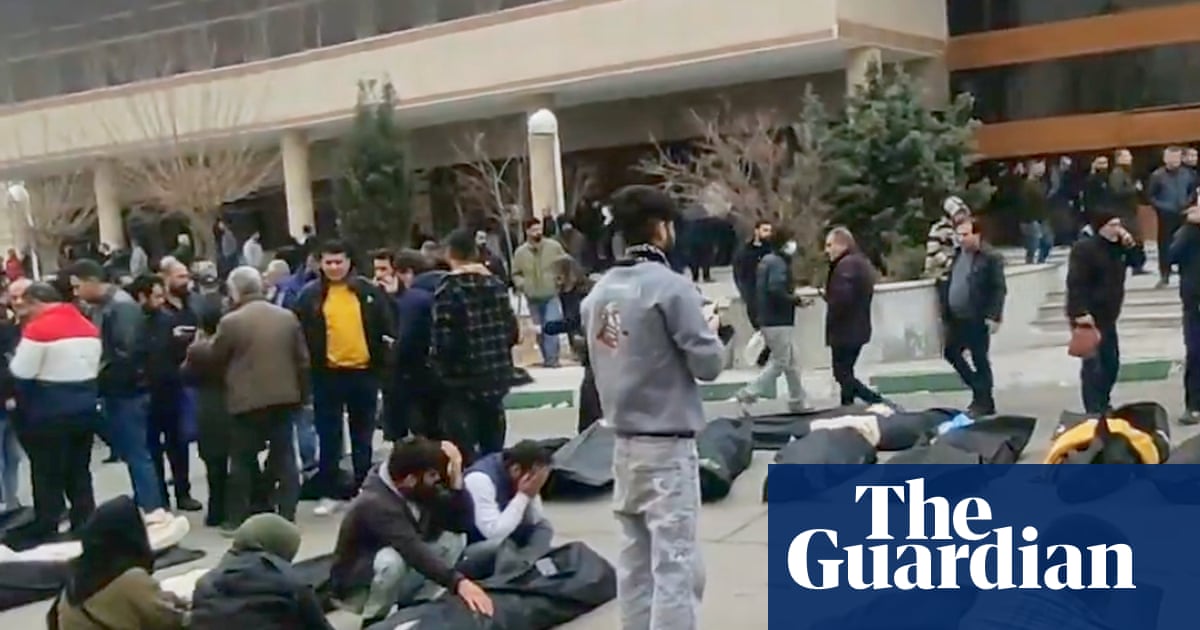
The state-imposed blackout has disconnected Iranians from the world and choked off businesses. Tehran, Iran Iran's economic outlook appears increasingly grim more than three weeks after the start of what became one of the most comprehensive and prolonged state-imposed internet blackouts in history, impacting a population of more than 90 million people. Iranian authorities abruptly cut off all communications across the country on the night of January 8,
World news





fromwww.npr.org
3 months agoUganda goes to the polls amid heavy security and internet blackout
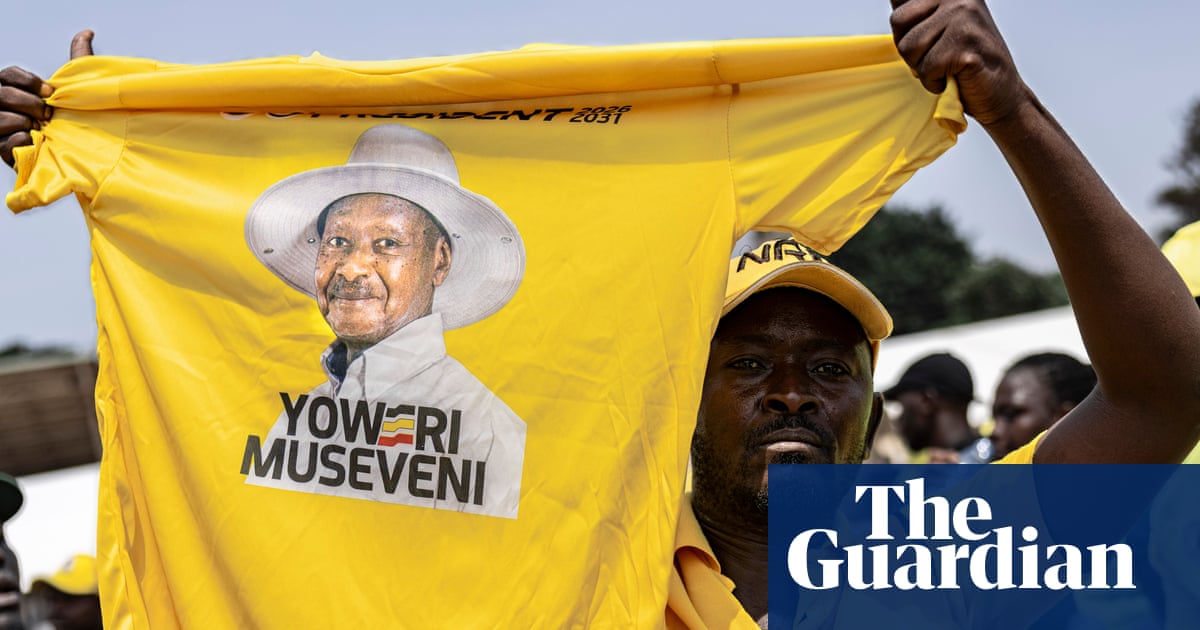
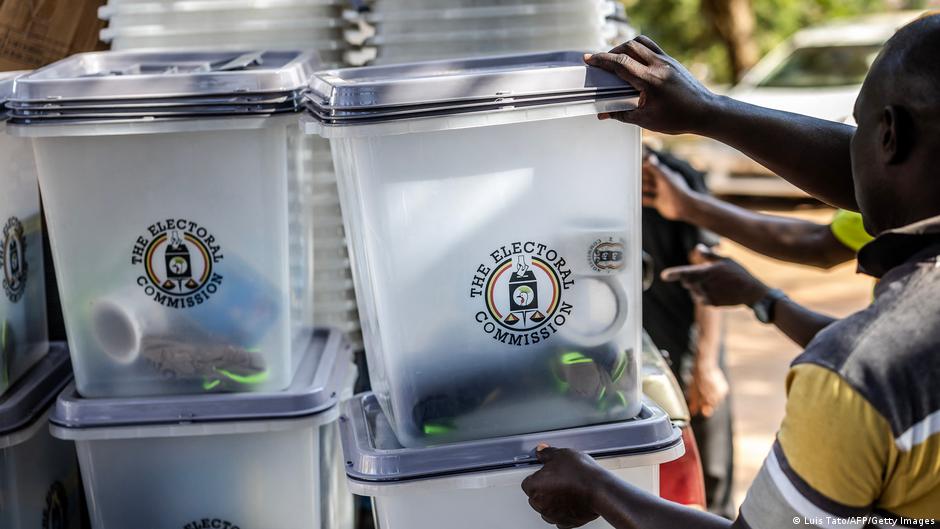
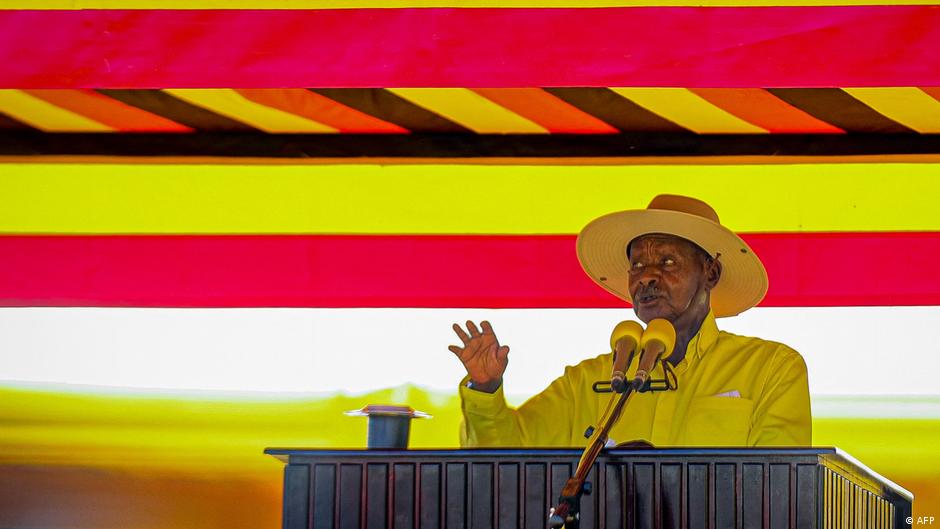
The vote is taking place under an internet blackout and a heavy military presence. Hundreds of activists have been detained, and journalists and human rights groups face restrictions, measures the government calls necessary for security. On Tuesday, the Uganda Communications Commission told mobile operators and internet service providers that the blackout was imposed on the "strong recommendations" of security agencies.
US news
[ Load more ]