Some [pets] were microchipped and clearly once loved, but their families had gone. It's heartbreaking for rescuers and frightening for the animals. Animals shouldn't become the forgotten victims when people leave a country in a crisis. Pets rely entirely on their owners. They can't understand why their family has suddenly disappeared so we urge those facing uncertainty to remember their animals and get a proper plan in place.
We might be talking about work from home mandates. We might be talking about restrictions on air travel and even rationing, if it got bad enough for long enough. This assessment from Rabobank's senior macro economist Benjamin Picton highlights potential escalation of fuel conservation measures globally if supply constraints continue.
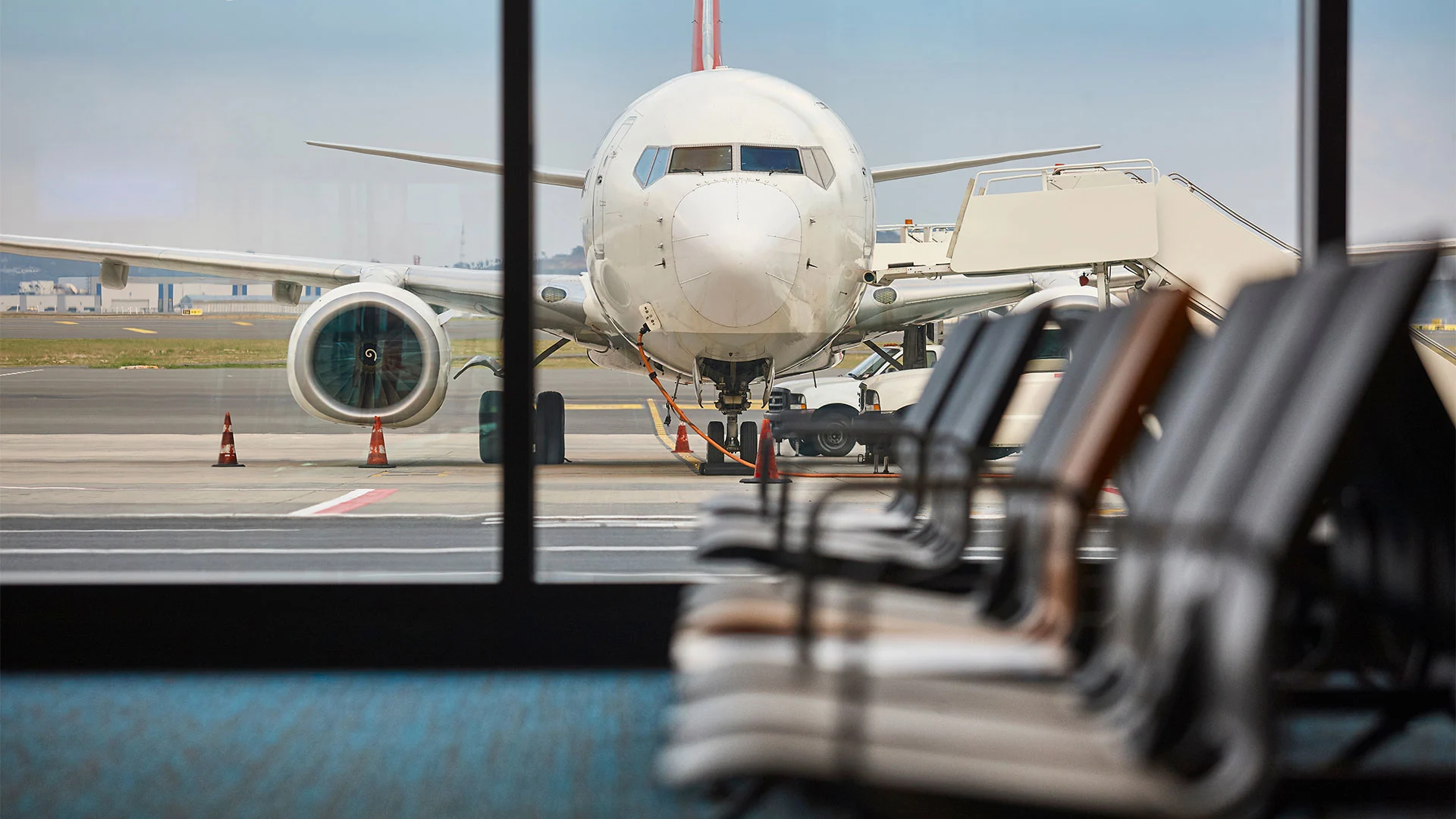
According to the International Air Transport Association (IATA), the global average price of jet fuel jumped 58.4% week-on-week to $157.41 a barrel, far above the $88 average the industry had expected for 2026.
When geopolitical tensions disrupt normal shipping routes through the Strait of Hormuz or the Red Sea, tankers must travel longer distances to deliver crude oil. More days at sea means higher utilization rates and more revenue per voyage. On top of that, higher oil prices increase the value of the cargo being transported, which supports stronger charter rate negotiations between tanker owners and the oil majors that need their ships.
Wizz Air warned investors last night that it believes the current crisis in the Middle East will wipe 50m off its profits this financial years. Wizz had previously predicted that earnings would fall within a profit of 25m to a loss of 25m, so today's warning means it expects a loss for the year.