#israeli-airstrikes
#israeli-airstrikes
[ follow ]
#gaza #civilian-casualties #humanitarian-crisis #gaza-conflict #hamas #ceasefire #ceasefire-violations










fromTruthout
1 month agoTehran Residents' Social Media Offer Nightmarish Glimpse of Humanitarian Crisis
Clouds of smoke had shrouded the metropolis of 10 million, toxic rain blended with oil poured down from the sky, and the sun remained invisible through noon on the morning of March 8. Hours earlier, Israel had launched airstrikes on 30 oil facilities in Tehran and nearby regions, causing explosions that killed six people in the city of Karaj.
World news
France politics
fromwww.aljazeera.com
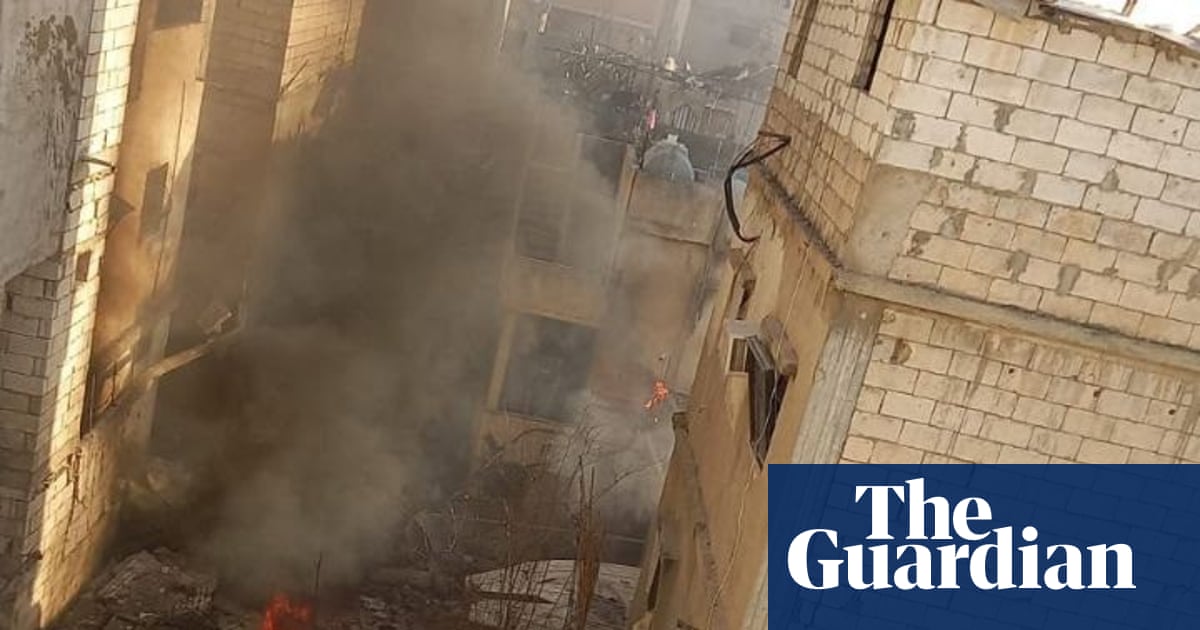
2 months agoResidents of this Beirut neighbourhood felt safe. Then Israel attacked it.
An Israeli airstrike on Beirut's Aicha Bakkar neighbourhood on March 11 destroyed residential buildings, injuring four people and damaging nearby homes, escalating conflict after a ceasefire breakdown.
fromBusiness Insider
2 months agoSatellite images capture airstrikes reducing Iran's vintage American-made F-14 Tomcats to wreckage
The images, collected on Monday by the US spatial intelligence firm Vantor and obtained by Business Insider, show visible wreckage of at least two F-14 Tomcats on the apron at the 8th Tactical Air Base in Isfahan, a city in central Iran. The base is a hub for the Iranian Air Force's fleet of vintage F-14s.
World news
World news
fromwww.theguardian.com
2 months agoIt's not an invasion, it's a liberation': LA's Iranian community speaks out after US strikes Tehran
Iranian-American communities in Los Angeles, including former nuclear deal supporters, now back US and Israeli military strikes against Iran, viewing the authoritarian regime as irredeemable and believing protesters inside Iran seek foreign intervention for liberation.

World politics
fromwww.aljazeera.com
4 months agoIsrael, Lebanon officials meet as pressure mounts to disarm Hezbollah
Committee overseeing Israel-Hezbollah ceasefire met in southern Lebanon amid Israeli near-daily attacks and US-led pressure to disarm Hezbollah, focusing on army strengthening and reconstruction.


World news
fromwww.theguardian.com
6 months agoTruce resumes after Israeli airstrikes on Gaza amid scramble to shore up ceasefire Middle East crisis live
A ceasefire brokered by Donald Trump remains in place despite shootings attributed to unruly elements within Hamas and a promise to handle the situation firmly.
fromThe Art Newspaper - International art news and events
7 months agoYemen's national museum damaged by Israeli strikes, Houthi authorities say
"It is true that the circulated video shows only the courtyard. However, the damage extended to the museum's main hall, where a number of artefacts and photographs are on display, as well as to the museum's doors, windows, and storage rooms," Amida Sholan, an archaeologist and professor at Sanaa University, tells The Art Newspaper. Sholan, who was outside Yemen when the attack occurred, says she has not yet been able to confirm with colleagues whether any artefacts were damaged.
World news
[ Load more ]