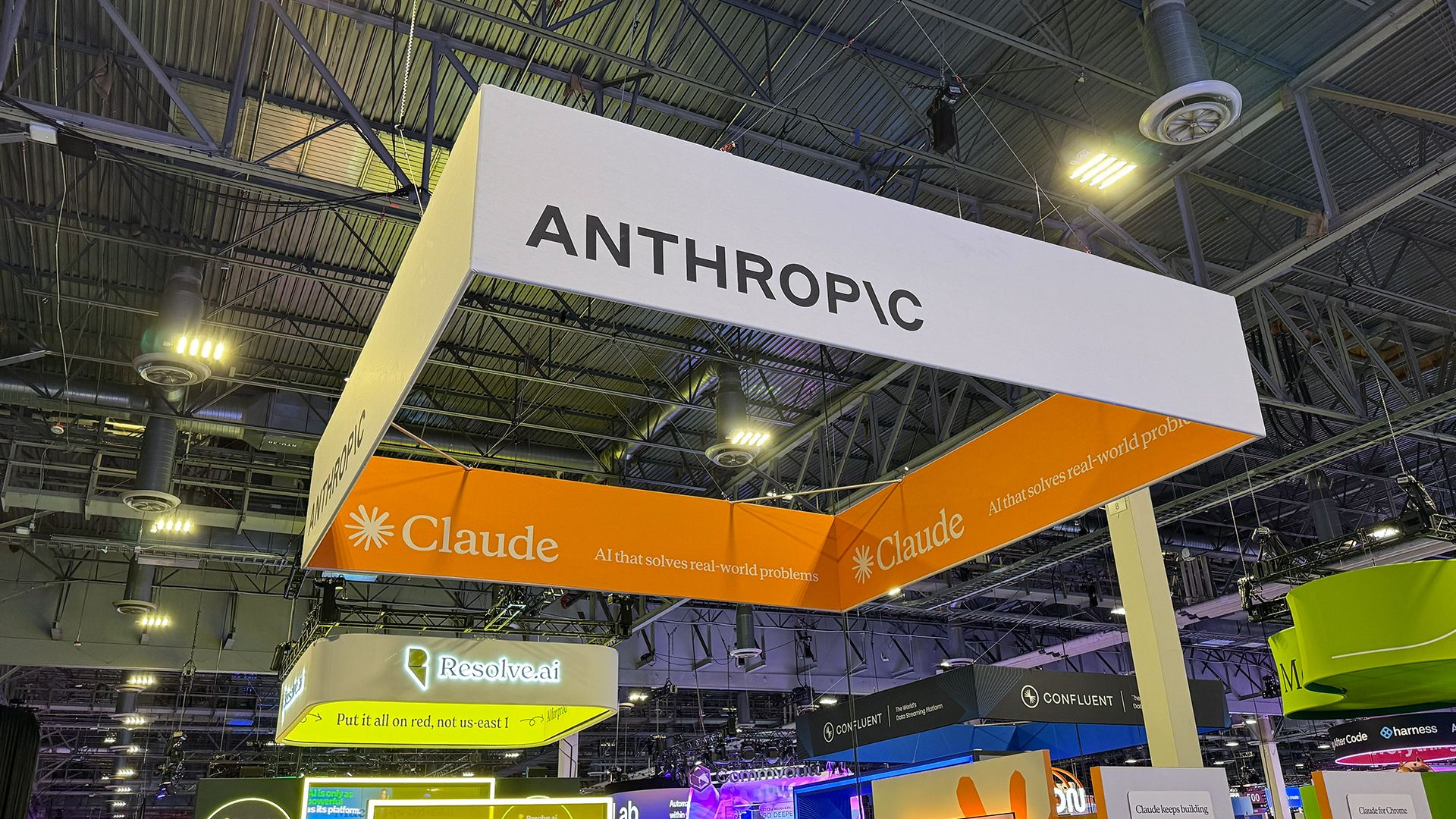
Anthropic has been building out support for third-party apps inside of Claude. As of today, the chatbot can now connect to platforms like Slack and Canva, fetching up files from inside those apps or performing tasks within them on a user's behalf. For instance, when connected to Box, Claude can now search for files, preview documents inline and answer questions about the content in front of you.
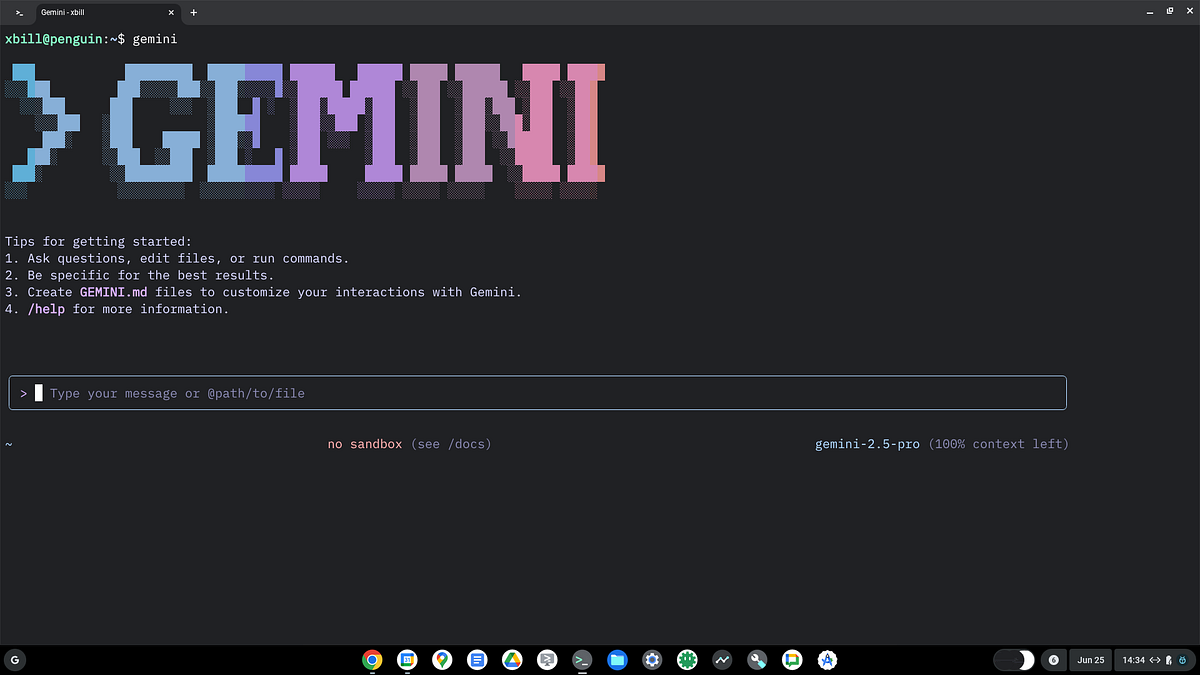
Google Cloud has announced fully managed remote Model Context Protocol (MCP) servers, enhancing its existing API infrastructure to support MCP and providing a unified layer across all Google and Google Cloud services. With the support for MCP servers, developers can point their AI agents or standard MCP clients, such as the Gemini CLI, to a globally consistent, enterprise-ready endpoint for Google and Google Cloud services.
VS Code 1.107 also adds support for the latest specification of the Model Context Protocol (MCP), 2025-11-25, which includes URL mode elicitation, tasks for long-running tool calls and client work, and enhancements to enum choices in elicitation. And the GitHub remote MCP Server now is provided as a built-in MCP server in the GitHub Copilot Chat extension, providing seamless integration with GitHub repositories and services, according to Microsoft. Other improvements emphasized in VS Code 1.107 include the following:
Imagine a world where you no longer need to juggle tabs, fill out forms, or click through endless menus. Instead, you simply tell a digital assistant, "Transfer this amount, draft an email with these subjects, send me a summary, and update my calendar." That vision is no longer science fiction; it marks a profound shift in how we think about user interfaces.
Google has released the Genkit Extension for Gemini CLI, a specialized plugin that brings deep, framework-aware AI assistance directly to the terminal, aiming to streamline the development and debugging of Genkit-based applications.The extension's primary function is to streamline Genkit-based application development by surfacing essential information like flows, traces, and documentation without requiring the developer to leave the command line. Genkit is Google's open-source framework for building and orchestrating generative AI applications.
On top of that, OpenAI introduced a Connector Registry, a centralized place for managing all your data connections and integrations across OpenAI products. This registry aims to solve a long-standing pain point: fragmented connections. In other words, you'll finally have a clear overview of what connectors are active in your workspace. The registry already includes popular integrations like Dropbox, Google Drive, SharePoint, and Microsoft Teams, plus support for third-party MCPs (Model Context Protocols).
MCP gives all three context. MCP stands for Model Context Protocol and was developed and open-sourced by Anthropic to standardize integrations between AI and the tools and data sources that can provide critical information in ways that enable LLMs to understand and take action. Instead of every service building out an integration for every AI agent, MCP defines a protocol where any application can maintain a single MCP server implementation that exposes its functionality,
Product manager Allie Barrie said that Visual Studio can now connect to local or remote MCP servers, configured using a file called .mcp.json which can be in a user profile, for global use, or in an individual solution. Developers can add MCP servers either by editing this file directly, or using settings in the GitHub Copilot chat window. There is also provision for one-click installation from the web. OAuth authentication is supported, for example to allow the MCP tools to have GitHub access.