#nasa
#nasa
[ follow ]
#space-exploration #artemis-ii #blue-origin #spacex #moon-mission #astronauts #moon-landing #trump #pluto #ufos #artemis



#mars-exploration
OMG science
fromEngadget
4 days agoNASA's Curiosity rover gets its drill stuck, recordings from the Arctic seafloor and more science stories - Engadget
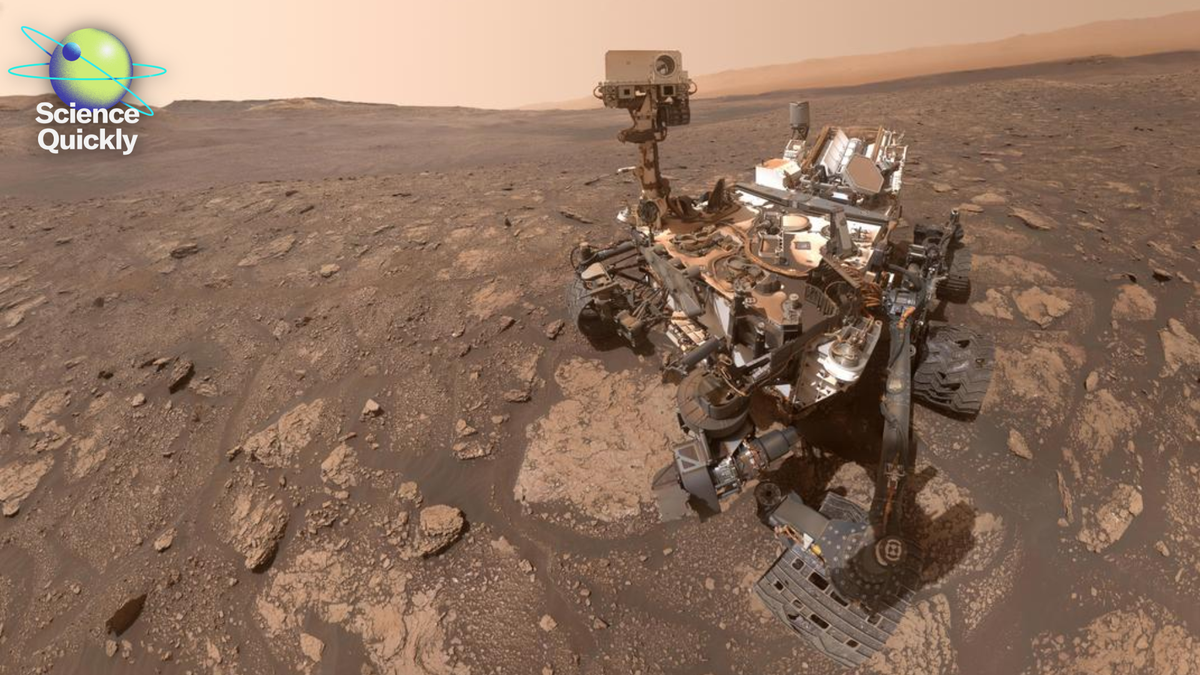
Curiosity successfully freed a rock stuck on its drill after multiple drilling adjustments, while Artemis II photos and a wasp named Attenboroughnculus tau drew attention.
fromtheregister
6 days agoMars rover hits rocky snag with power tool
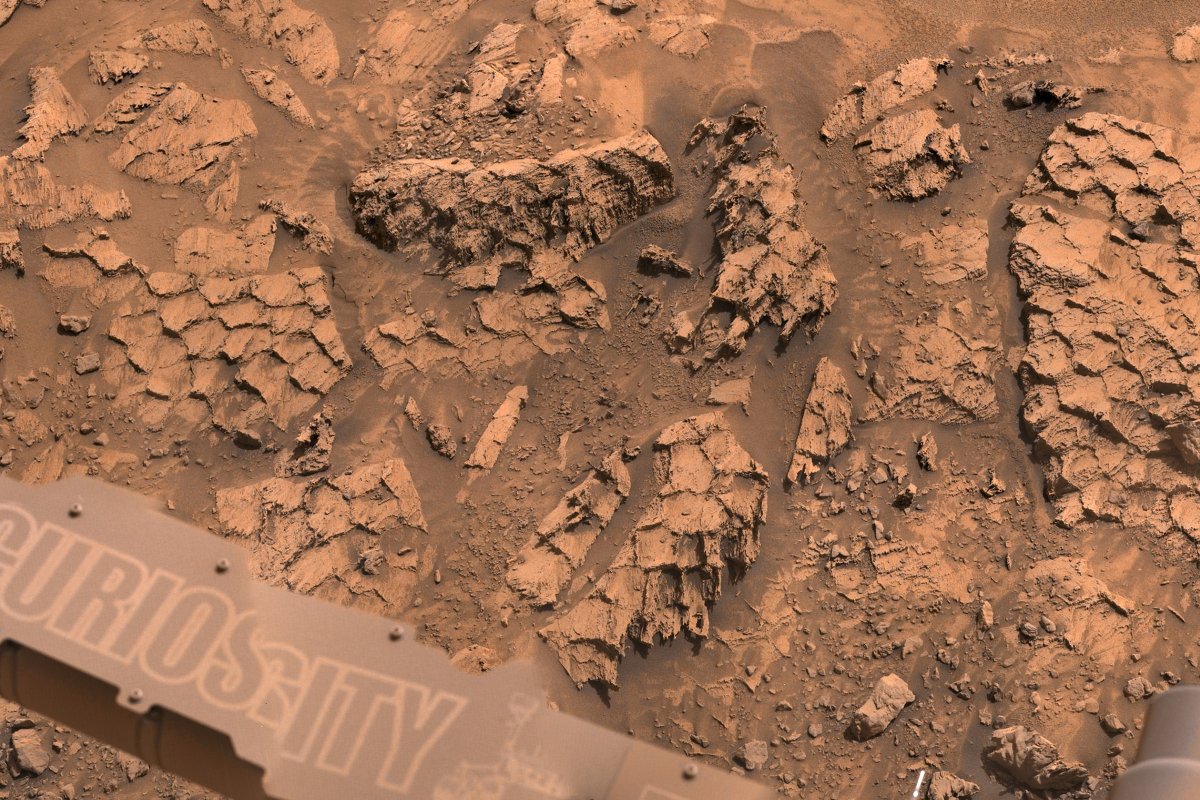
The rock, dubbed "Atacama" and measuring 1.5 feet in diameter at its base and 6 inches thick, weighed approximately 28.6 pounds (13 kilograms). After drilling the sample on April 25, the rover operators retracted Curiosity's arm as they had done many times before. However, this time, the entire rock was lifted, "suspended by the fixed sleeve that surrounds the rotating drill bit," according to NASA.
Roam Research



fromFuturism
1 week agoScientists and Lawmakers Horrified at Trump's Brutal Budget for NASA
"If implemented, upwards of 53 science missions would be terminated, nearly half of NASA's entire science fleet. Thousands of jobs would be lost, billions of dollars of taxpayer investments would be wasted, and more than a dozen international partnerships would be broken."
OMG science


fromwww.scientificamerican.com
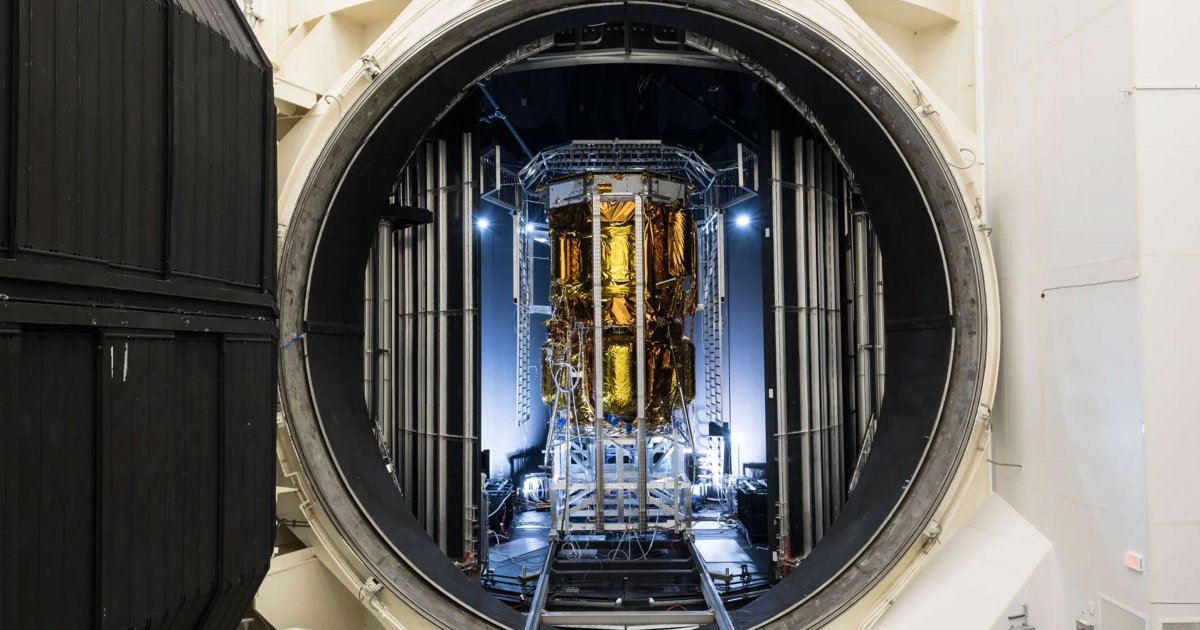
2 weeks agoNew video shows a next-gen ring of fire' rocket engine hit a major milestone
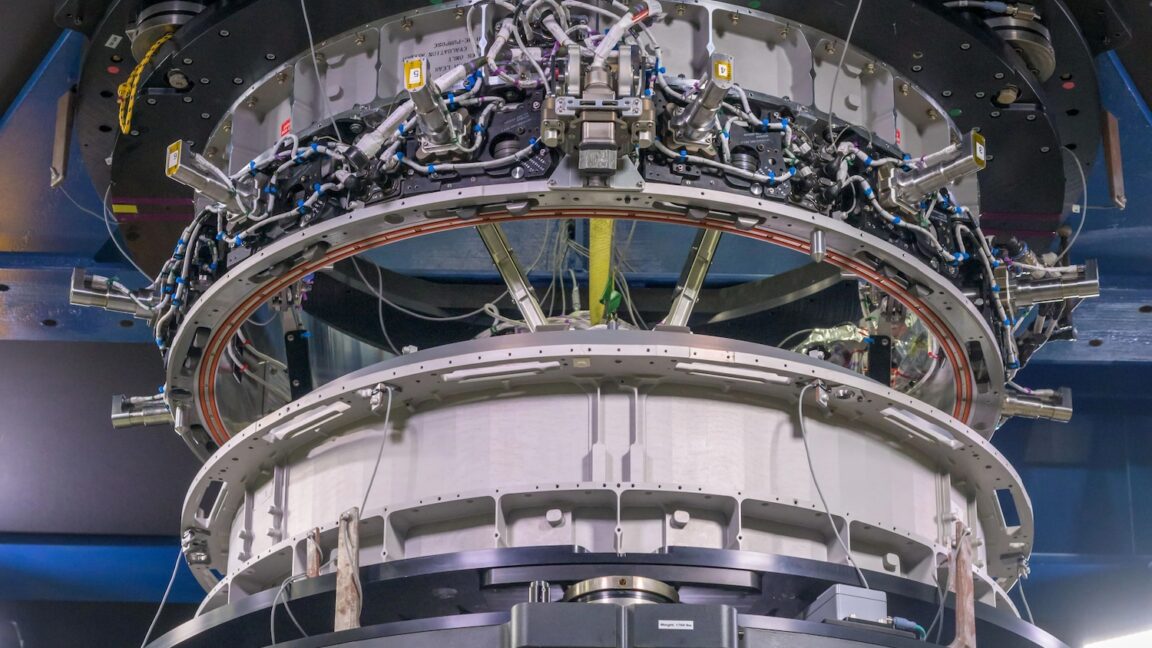
The promise of RDREs is that they can move a spacecraft faster and more efficiently, allowing them to carry heavier payloads and travel farther distances than conventional rockets.
Science
fromArs Technica
2 weeks agoNASA's SpaceX Crew-13 pays homage to Apollo 13 on mission patch
I mentioned it was 41-C that originally was STS-13, and my friend Jim Beggs, who was the administrator of NASA, had triskaidekaphobia, and he said, 'There's not going to be [another] Apollo 13 or a Shuttle 13, so come up with a new numbering system.'
Science
Science
fromFortune
3 weeks ago'Something sinister could be happening': FBI looks into dead or missing nuclear and space defense scientists tied to NASA, Blue Origin, and SpaceX | Fortune
At least 11 scientists linked to NASA and defense programs are dead or missing, raising national security concerns.
Non-profit organizations
fromwww.scientificamerican.com
3 weeks agoEx-NASA astronauts form new group to promote U.S. constitutional values
More than 100 retired NASA astronauts formed Astronauts for America to promote U.S. constitutional principles and address concerns over political polarization and public trust.


[ Load more ]