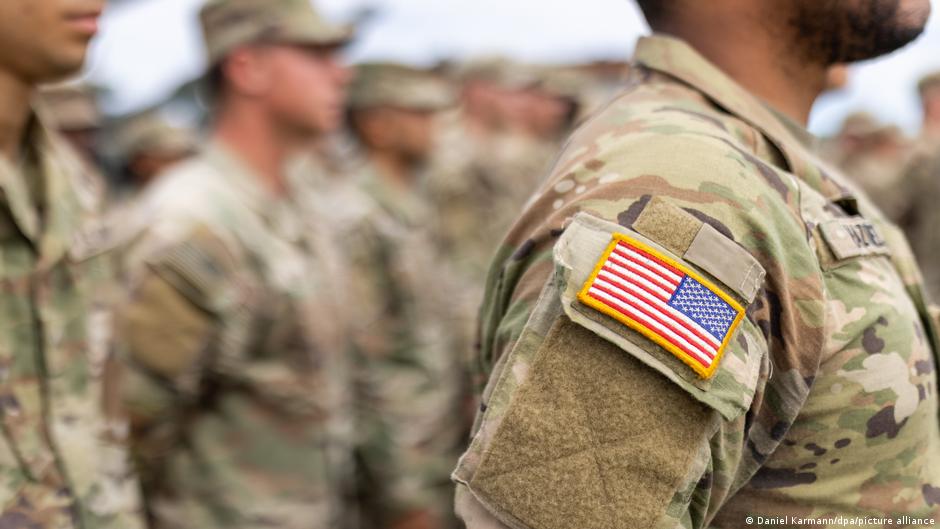
The goal of the war game, conducted 130 miles from the Russian border in Estonia, was to test the alliance's readiness for a rolling enemy assault on civilian and military digital infrastructure. It involved hundreds of multinational troops, representing 29 Nato nations and seven allies, including Ukraine, hunkered down in CyberRange14, a facility established by the Estonian ministry of defence in the wake of a crippling Russian cyber attack in 2007, where Nato has run preparedness exercises since 2014.
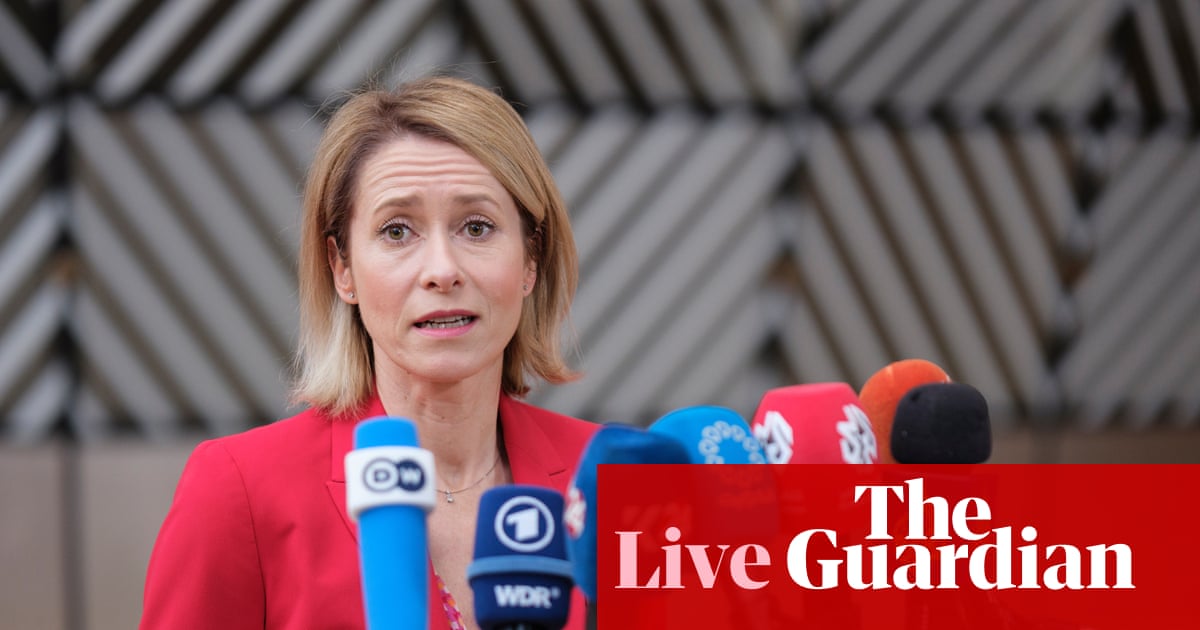
occasions. Kallas, the former Estonian prime minister, was not just indulging in some form of historical mathematics. She was seeking to make a point that lies at the heart of the dispute between the US and Europe over Ukraine's future, a dispute that has again revealed the chasm across the Atlantic about the true nature of the Russian regime.
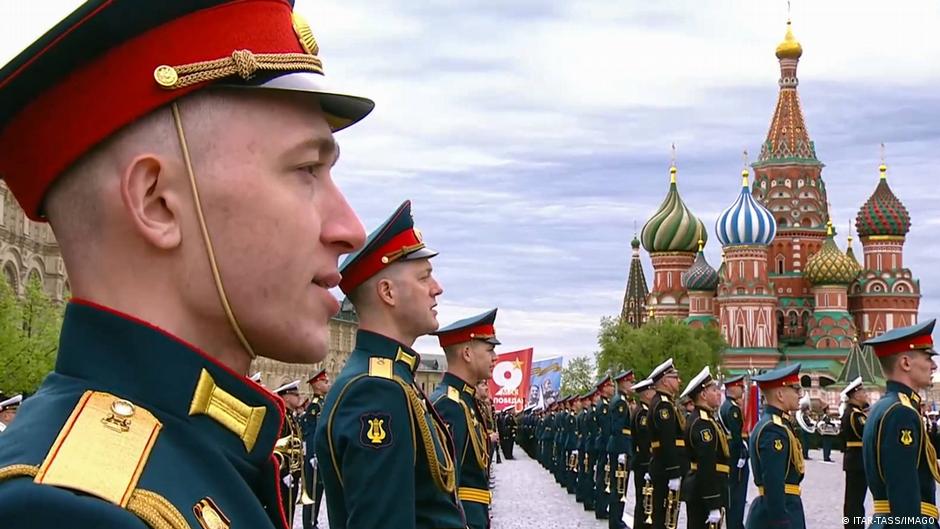
In a burst of cryptic messages to the station's still unknown listeners, a voice could be heard saying ' LATVIA,' the name of a small NATO country sitting on Russia's border. The signal was sent out on Monday, with many on social media fearing that Russia could be planning its next offensive. However, with Latvia being a member of NATO, any attack on the country would trigger a response from all other NATO countries, including the US, and potentially set off World War III.
Rutte said that NATO exercises are successful and that he has "absolute confidence in the reliability of NATO's nuclear deterrent." The NATO chief warned that should Russia continue with their nuclear rhetoric then the public needs to know that the alliance has strong forces which "maintain peace, prevent coercion, and deter aggression." On 26 October Russia announced they had carried out a successful test of the long-range Burevestnik cruise missile from the Arctic archipelago of Novaya Zemlya in the Barents Sea.
He was in charge from 2014 to 2024 and this documentary, with remarkable access, shows us his final 12 months day-by-day, moment-by-moment after Joe Biden had persuaded him in 2023, when his tenure was technically at an end, to stay on for another year after Russia's invasion of Ukraine. Perhaps, until that moment, Stoltenberg had been happy to assume that for all the meetings and stress, the secretary-generalship was an agreeable prestigious technocratic position without any real danger.
It needs a security mechanism that triggers action automatically, not after collective consultations and individual deliberations. In recent months, a new baseline idea has taken hold in European and United States debates on Ukraine: Article 5like guarantees. In March, Italy's Prime Minister Giorgia Meloni was the first to suggest a mechanism inspired by Article 5 of the NATO Charter, which provides for collective action in the event of an attack on a member.
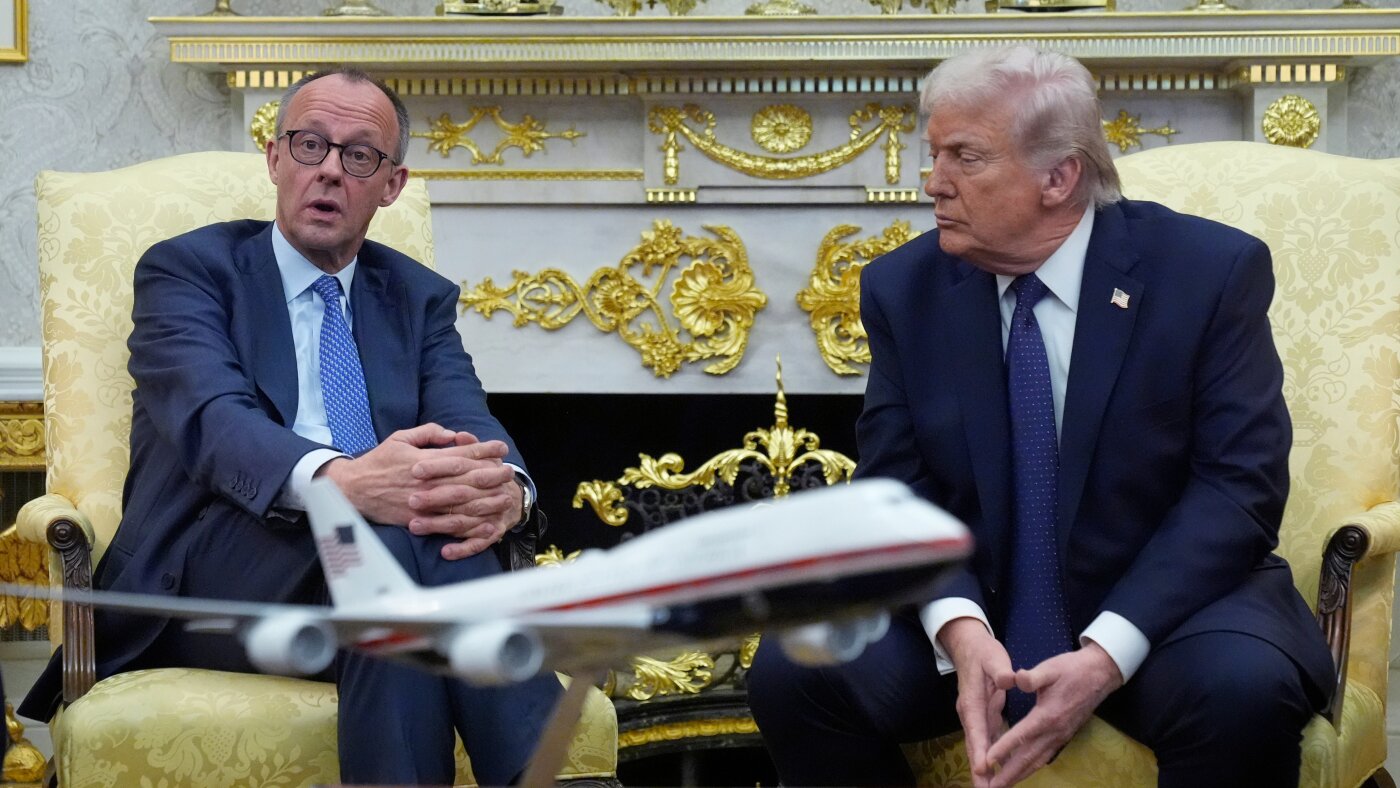
"After 738 days in captivity, on October 13, all 20 surviving hostages were freed from the hands of the terrorist organization Hamas, with four German citizens among them," Merz said. "They're home. They're with their families. And that fills us, and me personally, with great joy and relief."
In a nail-biting extract from his book, the alliance's former secretary general Jens Stoltenberg recalled the rollercoaster ride of dealing with Donald Trump and how close the US president brought the organisation to the point of collapse.
Europe has long been known for its military history, partly because it was the site of the largest war the world has ever seen. Since then, Europe's defense landscape has changed into a mix of NATO allies and nations with some of the strongest militaries globally. Here, 24/7 Wall St. looks at the largest military forces in Europe. Right now, Europe's military strength is even more important due to changes in U.S. foreign policy.
Whether it's investigating the financials of Elon Musk's pro-Trump PAC or producing our latest documentary, 'The A Word', which shines a light on the American women fighting for reproductive rights, we know how important it is to parse out the facts from the messaging. At such a critical moment in US history, we need reporters on the ground. Your donation allows us to keep sending journalists to speak to both sides of the story.