#nextjs
#nextjs
[ follow ]
#react #web-development #typescript #performance #cve-2025-55182 #react-native #performance-optimization







fromThisweekinreact
2 months agoThis Week In React #271: Vinext, RSC, Activity, Async React, Next.js, TanStack | Expo 55, Router, Survey, Enriched, Maestro, Metro, Sparkling, Grab, Brownfield | TC39, Temporal, Navigation, npmx, Bun, Deno, Solid | This Week In React
We've identified, responsibly disclosed, and confirmed 2 critical, 2 high, 2 medium, 1 low security vulnerabilities. Vibe-Hacking Cloudflare's Vibe-Coded Next.js Replacement demonstrates that AI-generated code passing functional tests can still miss security hardening, and automated AI tooling can help find those vulnerabilities.
React
Berlin
fromBerlin Startup Jobs
2 months agoJob Vacancy: Senior Fullstack Engineer // Climatiq | IT / Software Development Jobs | Berlin Startup Jobs
Climatiq seeks an experienced frontend/full-stack engineer to build TypeScript and Next.js features for carbon-intelligence SaaS, supporting emissions reduction globally.


fromGitHub
3 months agoGitHub - puffinsoft/syntux: Generative UIs for the web.
How does generation work? (Does it generate source code?)Generated UIs must be secure, reusable and cacheable. As such, syntux does not generate source code. It generates a schema for the UI, known as a "React Interface Schema" (RIS). See the question below to get a better understanding. This schema is tailored to the value that you provide. It is then hydrated by syntux and rendered.
React
fromInfoQ
4 months agoMeta's React Compiler 1.0 Brings Automatic Memoization to Production
React, the widely adopted JavaScript library for building user interfaces, has reached a milestone with the stable release of React Compiler 1.0, built on top of nearly a decade of engineering work and compiler learnings that transforms how developers optimize React applications. React Compiler 1.0 is a build-time tool that optimizes React apps through automatic memoization, working on both React and React Native without requiring code rewrites.
React



fromInfoWorld
5 months agoThe complete guide to Node.js frameworks
Node.js is one of the most popular server-side platforms, especially for web applications. It gives you non-blocking JavaScript without a browser, plus an enormous ecosystem. That ecosystem is one of Node's chief strengths, making it a go-to option for server development. This article is a quick tour of the most popular web frameworks for server development on Node.js. We'll look at minimalist tools like Express.js, batteries-included frameworks like Nest.js, and full-stack frameworks like Next.js.
Node JS
React
fromThisweekinreact
5 months agoThis Week In React #260: TanStack, Actions, Immer, RTK, Streamdown, XState Store, ReScript, HTML streaming | Vercel v0, Worklets, Skia, Tailwind, Native Stack, Gifted Chat, Enriched | TC39, Playwright, Bun, Astro, Better Auth | This Week In React
TanStack Pacer Beta provides framework-agnostic timing utilities plus a React adapter with debouncing, throttling, batching hooks and Devtools.
fromLogRocket Blog
5 months agoReal-time AI in Next.js: How to stream responses with the Vercel AI SDK - LogRocket Blog
Response streaming is one of the simplest but most effective ways to improve the user experience in AI-powered applications. Instead of making users wait for a lengthy and fully generated response, you can stream the output token by token and display it as it's being produced. This is the same effect you see when using ChatGPT or Gemini, where the text appears gradually, almost as if the AI is typing in real time.
Web development
React
fromThisweekinreact
6 months agoThis Week In React #258: TanStack, Next.js, ImGui, next-intl, React-Email, Ink, React Router | Valdi, IntersectionObserver, Nitro, Radon, Lynx, WebGPU, Audio | TC39, Node, Web Animations, TypeScript, pnpm | This Week In React
TanStack DB adds query-driven sync modes enabling components to declare data dependencies, while AG Charts offers high-performance, accessible, canvas-based React charts.



fromLogRocket Blog
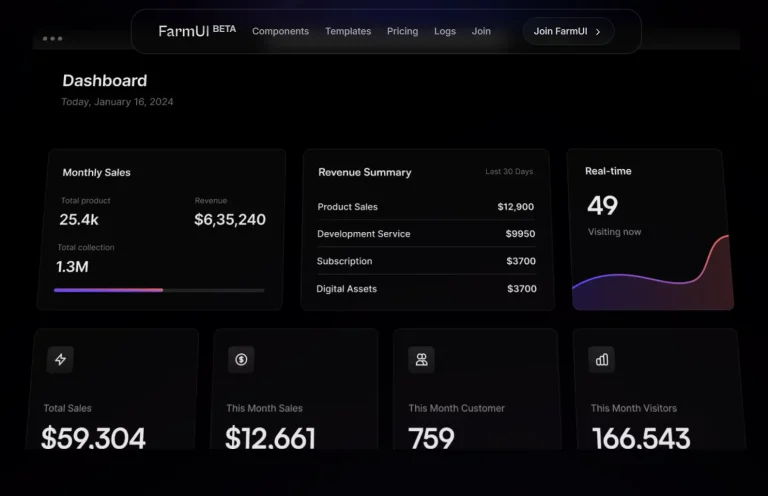
8 months agoIs Next.js still developer-friendly? - LogRocket Blog
Zero-config setup that actually worked - Run npx create-next-app and you had SSR, routing, code splitting, and hot reloading without touching a single config file - and in all sincerity, if I want to take on a new personal project, I'd rather spend time writing functional code than setting up different tools File-based routing that made sense - Create a file in the pages folder and you have a route. No router configuration, no further setup.
Web frameworks

fromBerlin Startup Jobs
9 months agoJob Vacancy: Lead Fullstack Engineer (React/Next.js) // PHONT | IT / Software Development Jobs | Berlin Startup Jobs
PHONT aims to revolutionize subtitles by using AI to capture tone, emotion, and tempo of speech, creating animated subtitles for enhanced viewer experience.
Startup companies
[ Load more ]