#nhs-waiting-lists
#nhs-waiting-lists
[ follow ]
#ai-chatbots #uk-budget #cost-of-living #healthcare-access #clinical-decision-making #patient-safety

UK politics
fromwww.theguardian.com
3 months agoMinister says elections to zombie councils' pointless as 23 authorities request delays - UK politics live
NHS waiting list for routine hospital treatment fell to 7.31 million in November 2025, its lowest since February 2023, with significant monthly reductions.
fromwww.theguardian.com
5 months agoThe budget has averted an immediate crisis for Labour but the danger is not over yet
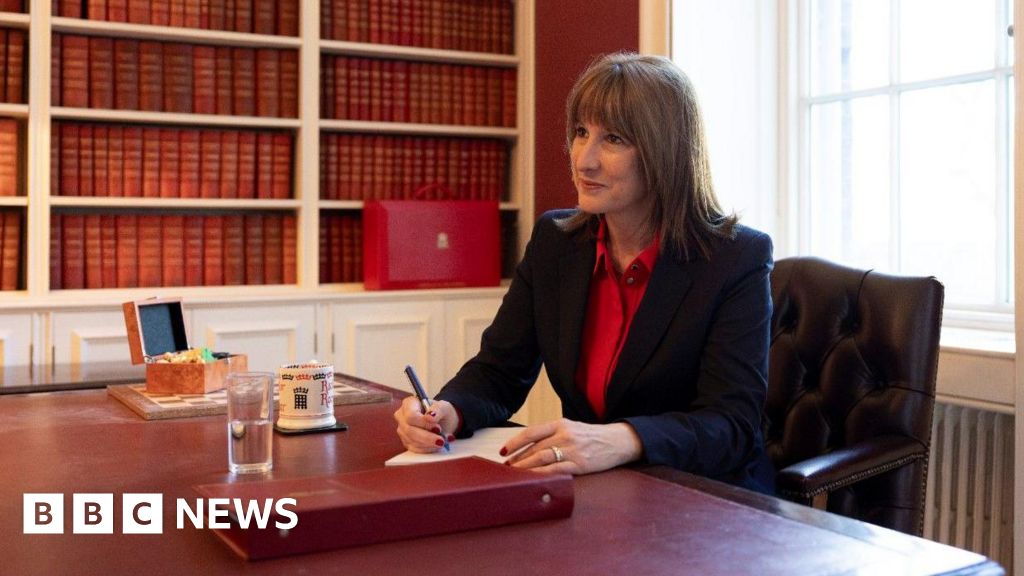
When Rachel Reeves urged Labour MPs at a half-empty private meeting on Monday night to back her high stakes budget, she told them that while they might not like everything in it, she was convinced that overall it was fair. After weeks of anxiety on the backbenches over manifesto breaches and speculation over Keir Starmer's leadership, she was determined to reassure them that her plans were Labour through and through and would give them plenty to offer voters on the doorstep.
UK politics
fromwww.theguardian.com
5 months agoBudget 2025 live: Rachel Reeves to set out tax and spending changes
The budget will include action to cut NHS waiting lists, cut debt and borrowing, and cut the cost of living to secure a strong future for the country, built on fairness and fuelled by growth. Action to keep prescription costs under 10, freeze rail fares for the first time in 30 years and increase the national minimum wage and national living wage by 1,500 and 900 respectively has already been confirmed to put more money in people's pockets at this budget.
UK politics
fromwww.theguardian.com
5 months agoDoes Wes Streeting really have a shot at No 10? It depends if his reforms sink or save the NHS | Gaby Hinsliff
If it isn't you, then it's probably your neighbour, your friend, your elderly parent; trapped in an anxious, miserable limbo for months longer than they should have been, getting passed from pillar to post. The only thing we don't all know about waiting lists, it turns out, is that actually they're coming down. Barely a quarter of Britons knew waiting lists had fallen in Labour's first year in power, according to recent polling for the Health Foundation thinktank in September:
UK politics
fromPinkNews | Latest lesbian, gay, bi and trans news | LGBTQ+ news
7 months agoTrans adults waiting 224 years for gender clinic appointments
A Freedom of Information request from QueerAF, What the Trans? and Claire's Trans Talks has shown that, as of March 2025, 48,000 people were waiting for their first appointment at one of the UK's 15 gender clinics, and for every person seen in 2024, four more people joined the list. In addition, demand for services such as hormone replacement therapy (HRT) prescriptions increased by 12.5 per cent from the previous year.
LGBT
fromLondon Business News | Londonlovesbusiness.com
7 months agoNHS waiting lists drive patients to risky choices - London Business News | Londonlovesbusiness.com
The survey of 2,000 adults found nearly a third (29%) have put off seeking care due to long waits, while more than one in five (22%) admit they have avoided seeking care altogether. Alarmingly, one in five (20%) delayed seeing a doctor even after noticing possible cancer symptoms. Doctors warn this behaviour could mean hundreds of cancers are going undiagnosed, or being caught later when survival chances are reduced.
Public health
fromPinkNews | Latest lesbian, gay, bi and trans news | LGBTQ+ news
7 months agoMore support for adults facing 'staggering' waits for gender services
It is fundamentally wrong that so many LGBT+ people still face challenges when accessing healthcare, including barriers such as discrimination, misunderstanding and miseducation. The result is that LGBT+ patients face longer waits, have poorer experiences of health care and suffer from high rates of mental ill-health. This pilot marks a major step, acknowledging the unacceptable waits endured by thousands of transgender patients and starting to tackle it head on.
Public health
[ Load more ]