US politics
fromwww.mediaite.com
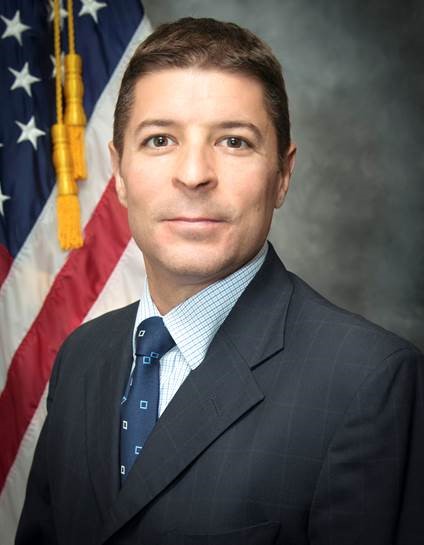
1 month agoTodd Blanche Reaches New Depths of Trump Groveling
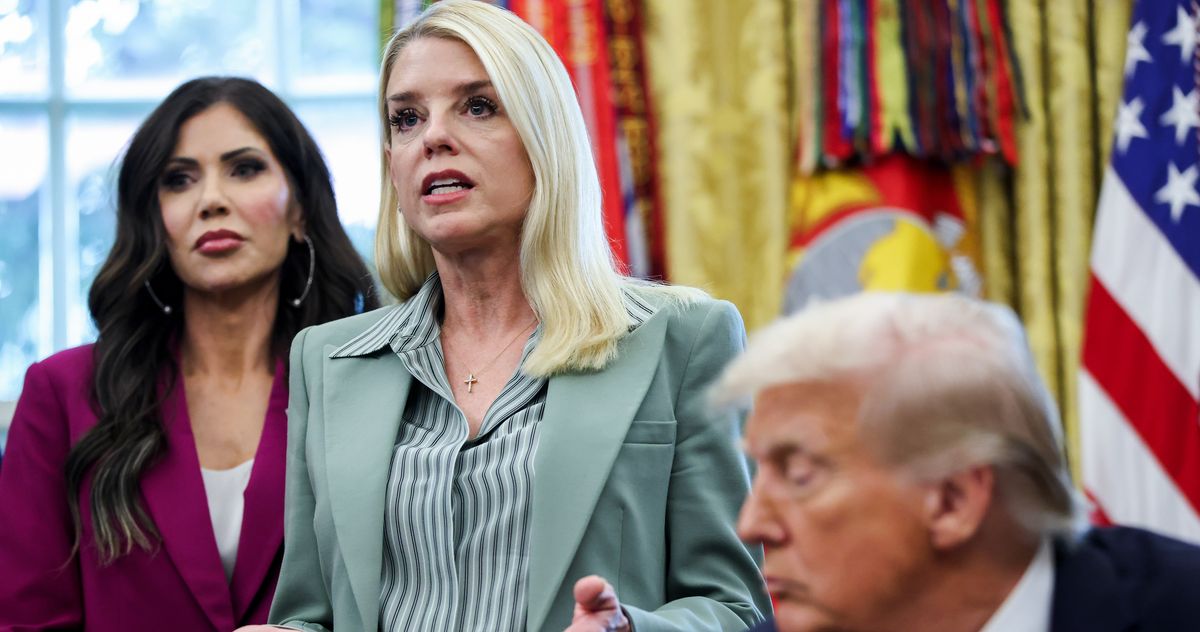
Todd Blanche expressed no personal ambitions for the attorney general position, emphasizing his loyalty to President Trump regardless of the outcome.
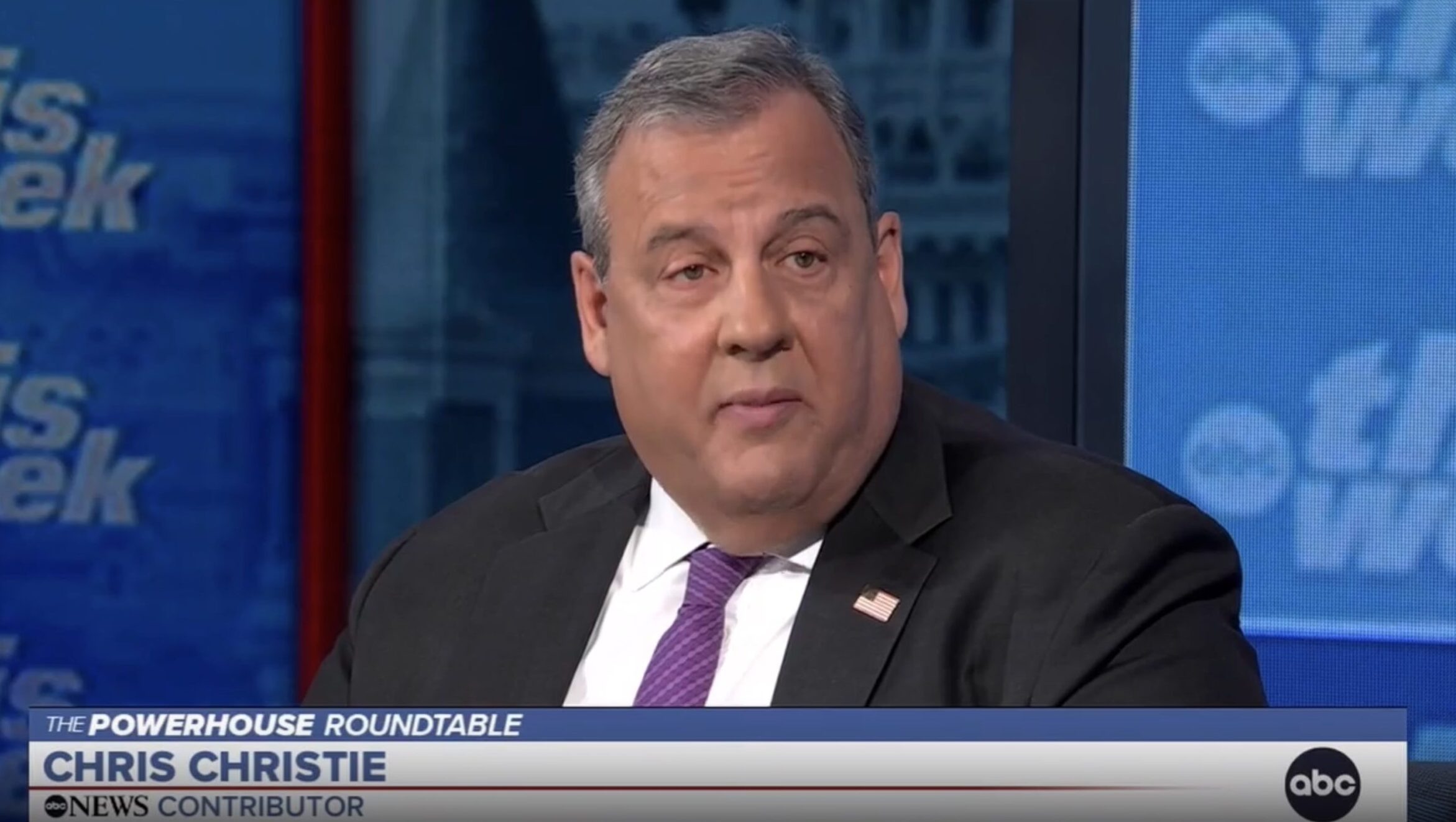
It should only be one. If there's one fraudulent, unsupported indictment that's brought for personal reasons, political reasons in which the facts are distorted and the law is abused, that alone should be impeachable. The multitude of cases we've had now certainly provides a wealth of evidence that could be used to impeach Pam Bondi. I think, you know, it's probably difficult to extend, you know, her performance and the illegal and unconstitutional, unethical way that she's managed the Justice Department all the way to the president.
Because they lack a legitimate official purpose, these kinds of prosecutions tend to be riddled with errors and irregularities, such as the resignation of upstanding government officials who refuse to bring trumped-up charges, the refusal of career attorneys to sign their names to otherwise routine charging documents, and the search for lackeys who may be willing to bring the charges before a grand jury anyway.
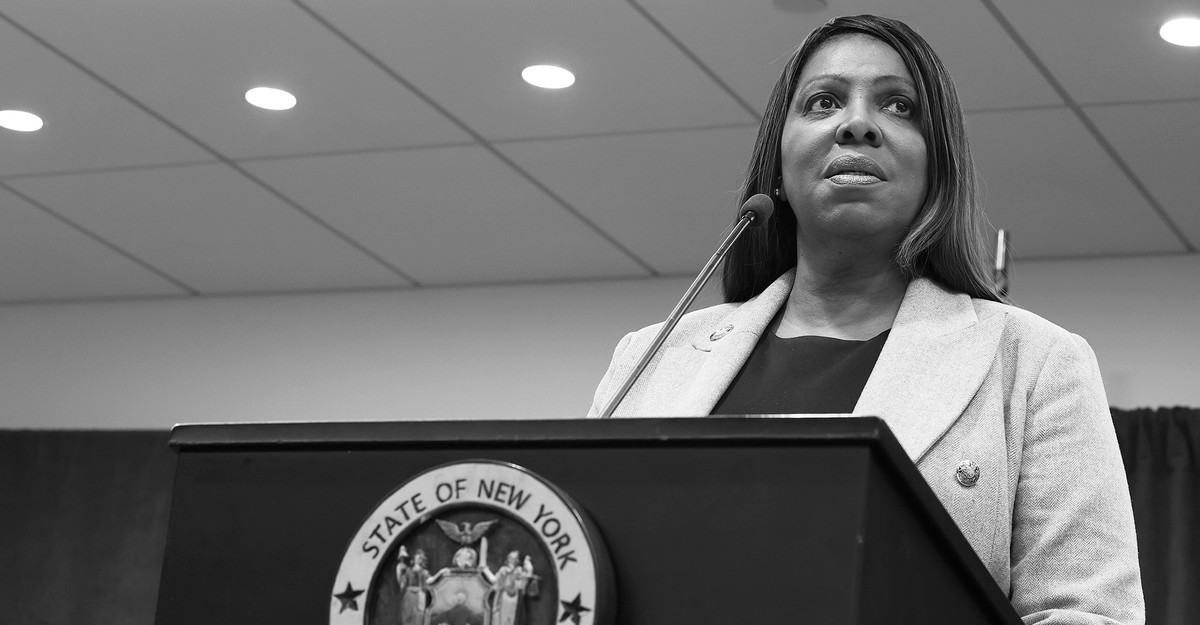
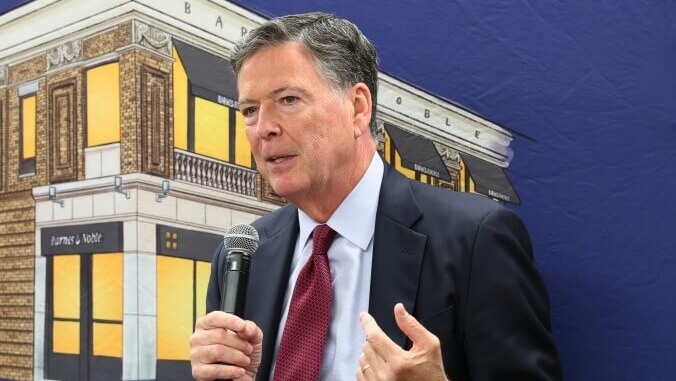
President Donald Trump may be stretching executive power to its outermost bounds, but in one very significant area he is simply not getting his way: criminal prosecutions. In many cases-such as those of former FBI Director James Comey and New York Attorney General Letitia James, charges against whom were thrown out by a federal judge in Virginia today-the basic, ground-level machinery of the criminal-justice system has thwarted the administration.
Lisa Wayne has tried 150 cases before juries in the course of her decades-long career. Wayne, now executive director of the National Association of Criminal Defense Lawyers, said there's "no golden rule" when it comes to how expensive the legal bills might be. The cost depends on what charges a person faces, where they live, how experienced their lawyer is and whether that person needs to hire experts in advance of trial, she said.
Trump declared the trio "guilty as hell," and linked the need to serve swift "justice" to the roles they played in the congressional investigations, criminal probes and civil lawsuits that have dogged his political career. He took credit for firing the U.S. attorney who declined to bring charges against James and Comey - then installed personal attorney Lindsey Halligan, who has no prosecutorial experience, to finish the job.
Federal grand juries return indictments in the overwhelming majority of cases, about 99.9 percent, according to the best estimates. The prosecution controls every aspect of the proceedings, while the defendant has no opportunity to object or present their case; there's a reason lawyers joke that a grand jury would indict a ham sandwich. It is historic, and quite possibly unprecedented, for federal prosecutors to face so many rebukes in such a short span of time.