#renaissance-art
#renaissance-art
[ follow ]
#raphael #art-history #cultural-heritage #michelangelo #art-acquisition #museum-exhibitions #holbein #restoration
fromArtnet News
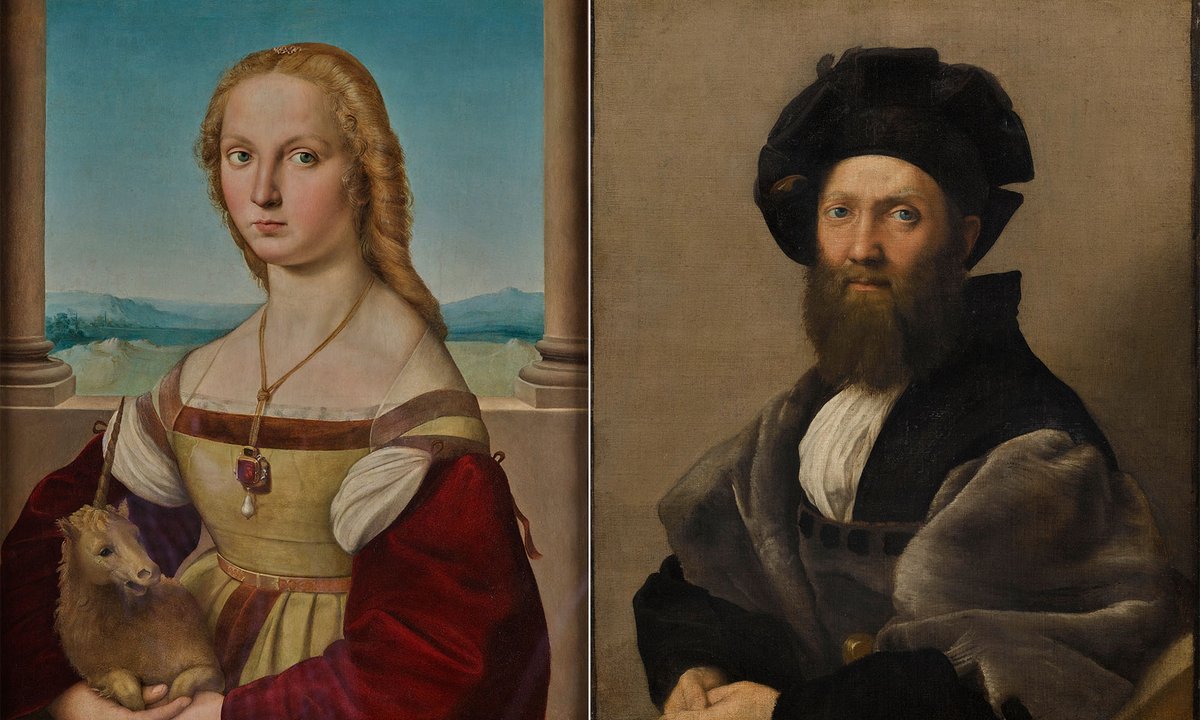
5 days agoWhy Contemporary Artists Are Raiding the Renaissance Toolkit | Artnet News
Artists have been raiding the toolkits of the Old Masters with new urgency of late, borrowing and reworking Renaissance and Baroque compositional drama, symbolism, and increasingly, their labor-intensive methods. While much of that renewed interest has centered on oil painting, this May three artists—Alison Elizabeth Taylor, Michael Bühler-Rose, and Nick Doyle—are pointing to another Renaissance inheritance: the decorative woodworking traditions of intarsia and marquetry.
Arts
Arts
fromThe Art Newspaper - International art news and events
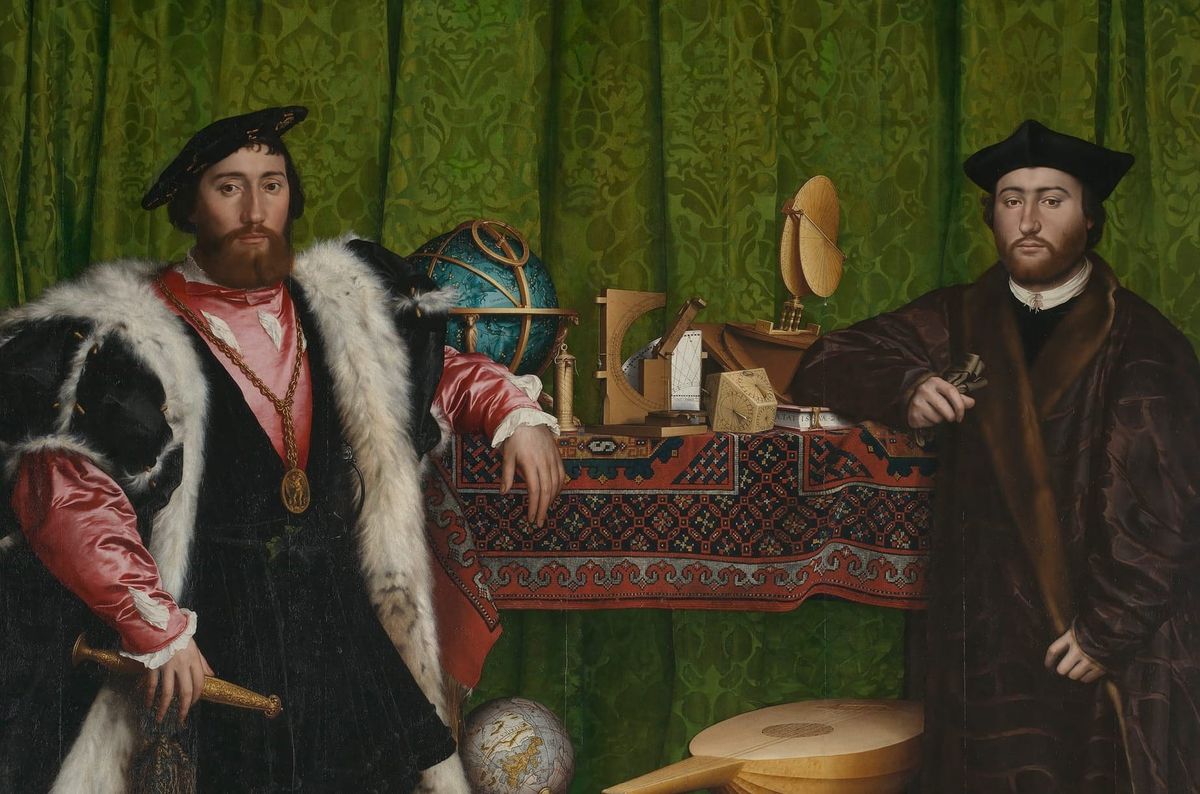
1 week agoMuseum acquisitions round-up: a rediscovered work by Rosso Fiorentino, a circular painting by Salman Toor and 16th-century gold goblet
Rosso Fiorentino's 'Madonna and Child' exemplifies Mannerism, showcasing a muscular Christ Child and a recently revealed Saint John.
fromThe Art Newspaper - International art news and events
1 week agoBotticelli under UK export ban purchased by Klesch Collection
The Ashmolean warmly welcomes this acquisition of a painting by one of the most important artists in the Western tradition, and we're so pleased that it will remain in the UK. We recognise the value of the Klesch Collection's commitment to lending works to public institutions.
London
Arts
fromThe Art Newspaper - International art news and events
1 month agoOne of Donatello's most important bronze statues is being restored: should it ever be shown outdoors again?
Donatello's Gattamelata statue is undergoing restoration and its future location remains uncertain after being moved indoors due to corrosion.
Arts
fromThe Art Newspaper - International art news and events
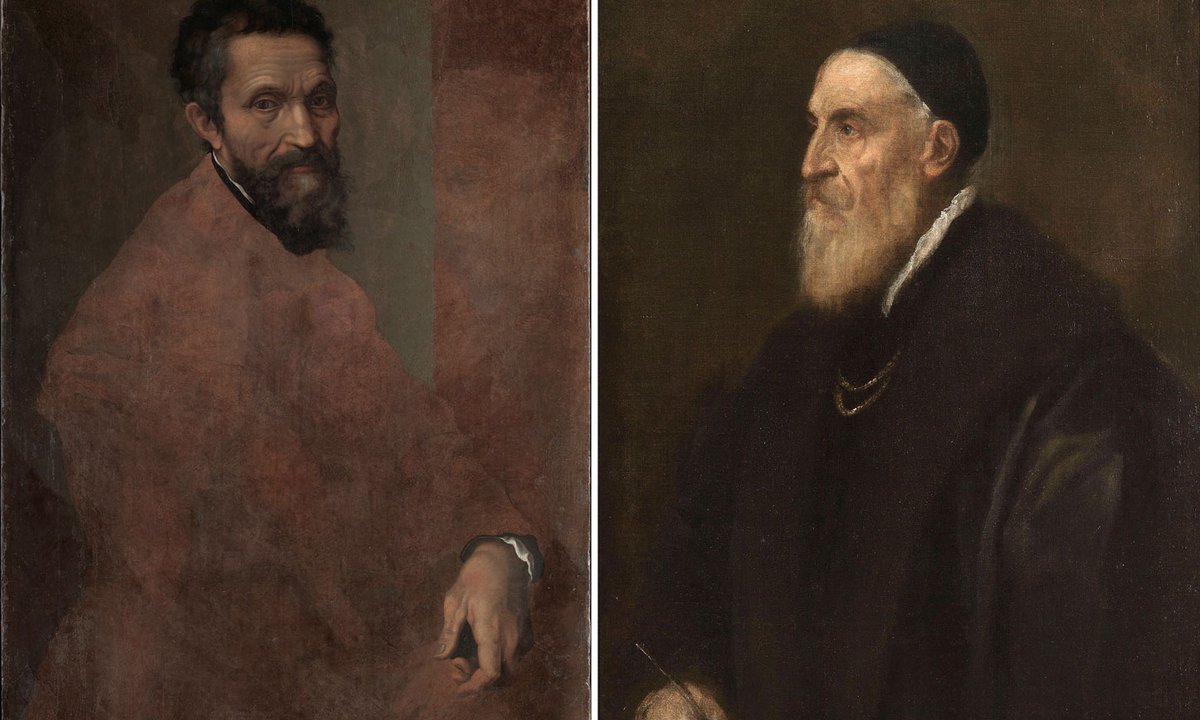
2 months ago'It has nothing to do with Michelangelo': expert wades in on painting newly attributed to Renaissance master
Belgian art historian Michel Draguet claims to have discovered a Michelangelo painting from the 1540s, but leading Renaissance experts dispute the attribution based on artistic style analysis.
History
fromSmithsonian Magazine
2 months agoTudor Courtiers Exchanged Portrait Miniatures as Love Tokens. Centuries Later, New Research Is Unlocking the Secrets of These Intimate Artworks
Nicholas Hilliard, England's first internationally famous native-born artist, created exquisitely detailed miniature watercolor portraits on vellum that served as portable intimate keepsakes and diplomatic gifts in Elizabethan England.
Arts
fromwww.jezebel.com
2 months agoThere's Not Enough Women Beheading Men in Art Anymore
Renaissance art frequently depicted women beheading men in biblical scenes, particularly Judith and Holofernes and Salome with John the Baptist's head, representing a powerful artistic tradition largely absent from contemporary art.

fromTravel + Leisure
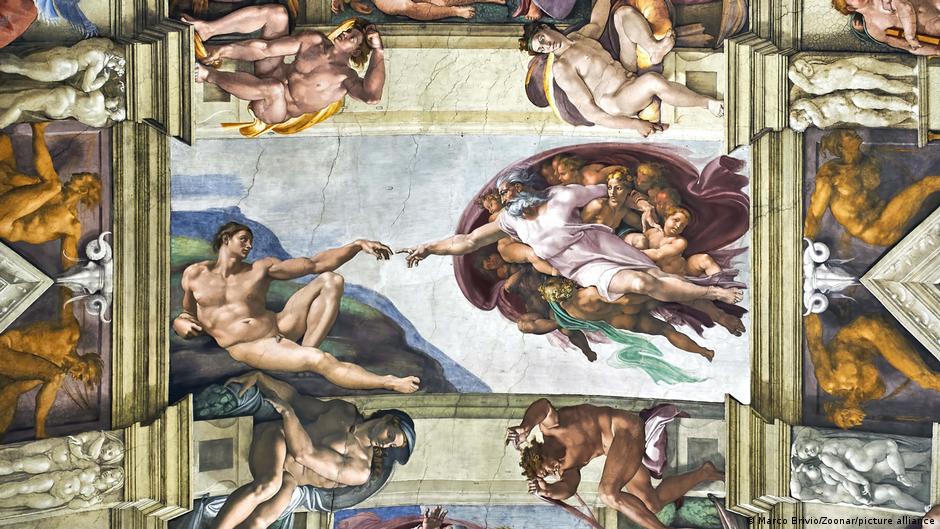
3 months ago25 of the Best Things to Do in Florence
Pallabazzer recommends seeing the historic center of Florence at different times of the day. In the early morning, you'll get to experience it "without noise and the pressing pace of crowds." Midday brings droves of visitors, but the destination is "bathed in sunshine." In the evening, "the lights of the street lamps stretch out over the Lungarni [the streets along the Arno River], creating a truly magical effect."
Travel
fromHyperallergic
3 months agoBecoming Caravaggio
Marciari brought me to a very different place: the luxurious, languid heat of late-summer Rome, in one of the final years of the 16th century. There, an ordinary boy has been made to hold a heavy basket of fruit for far longer than he'd like in a hot, airless studio, and a young, unknown painter is on the precipice of greatness.
Arts
fromwww.thehistoryblog.com
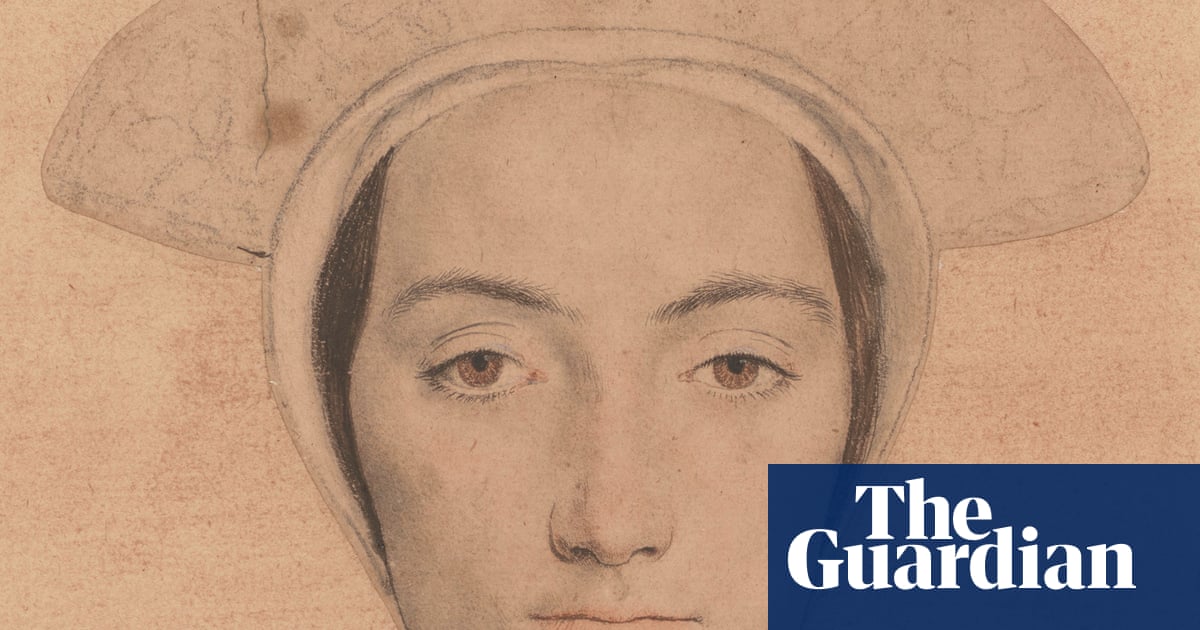
3 months agoPreviously unknown Hans Baldung Grien portrait emerges after 500 years in the sitter's family
A previously unknown drawing by the German Renaissance artist Hans Baldung Grien has been rediscovered in a wooden box belonging to the family of the woman who sat for the portrait 500 years ago. Drawings by Baldung are extremely rare, with only a handful known in private collections. One with a direct-line provenance by descent from the original sitter is an unprecedented find.
History
Arts
fromThe Art Newspaper - International art news and events
4 months agoFive new art books to look out for this spring, from a Michaelina Wautier biography to Francis Bacon's reading list
New art books highlight women artists, major artist biographies, Renaissance rivalries, exhibition catalogues, and artists' archival influences.
fromThe Art Newspaper - International art news and events
7 months ago'I don't want to compare myself with these masters': Giorgio Armani placed side by side with Raphael and Caravaggio in Milan exhibition
Some of the garments on display appear to recall details from individual works at the Pinacoteca. A cluster of dark garments with white accents, including a black-and-white sequined suit and a velvet tailcoat adorned with a floral brooch, emphasise the chiaroscuro dramatism of Caravaggio's Supper at Emmaus (1606). Nearby, mannequins in sand-coloured blouses and cotton trench coats recall the veiled Muslim women kneeling in Bellini's vast St. Mark Preaching in Alexandria (1504-1507).
Fashion & style
Artificial intelligence
fromwww.theguardian.com
8 months agoI thought I didn't care about Renaissance art. Then life happened to me and I saw its power | Rhiannon Lucy Cosslett
The Madonna del Parto by Piero della Francesca represents motherhood and is venerated for its protective symbolism among local women.

[ Load more ]