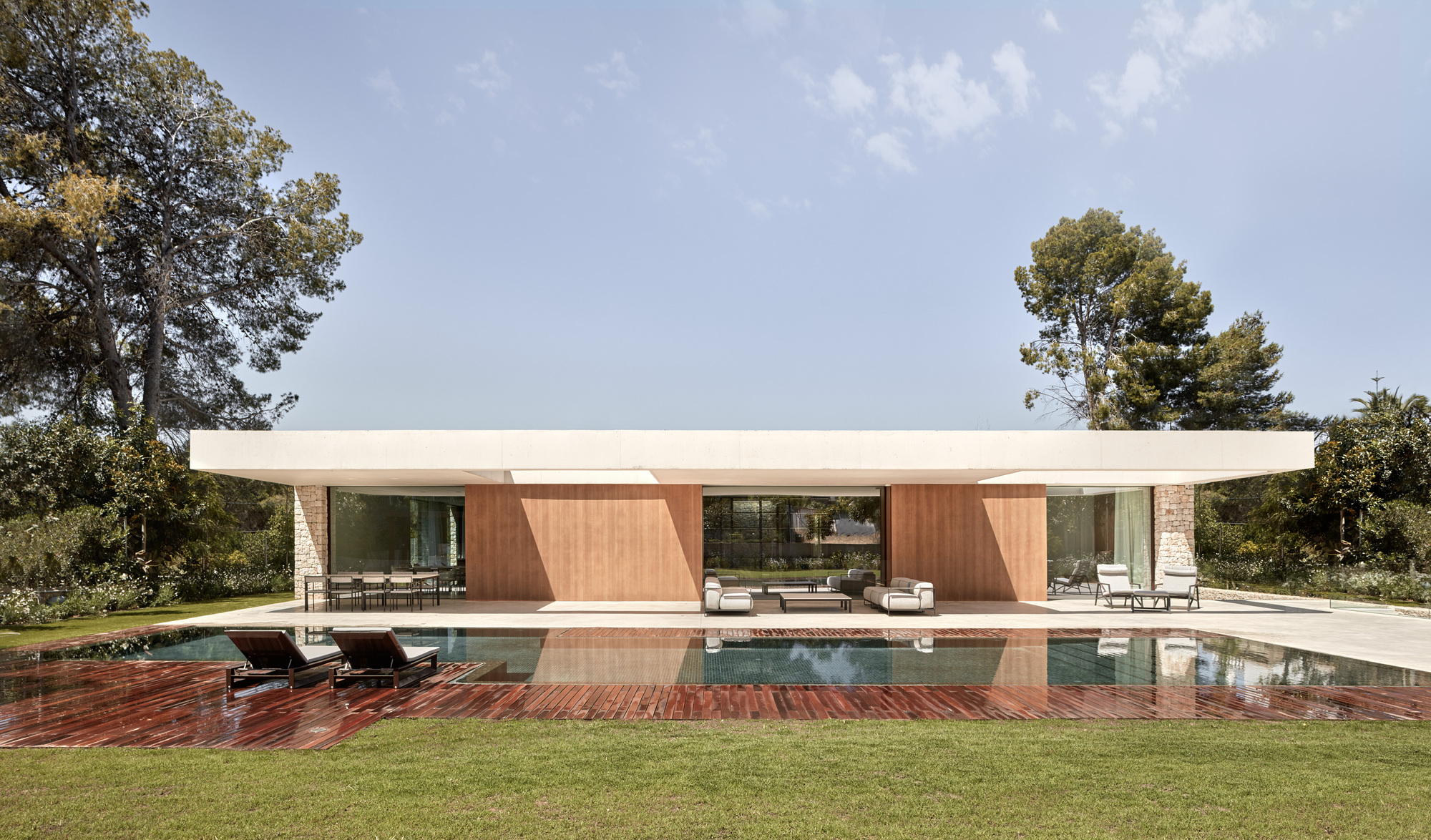
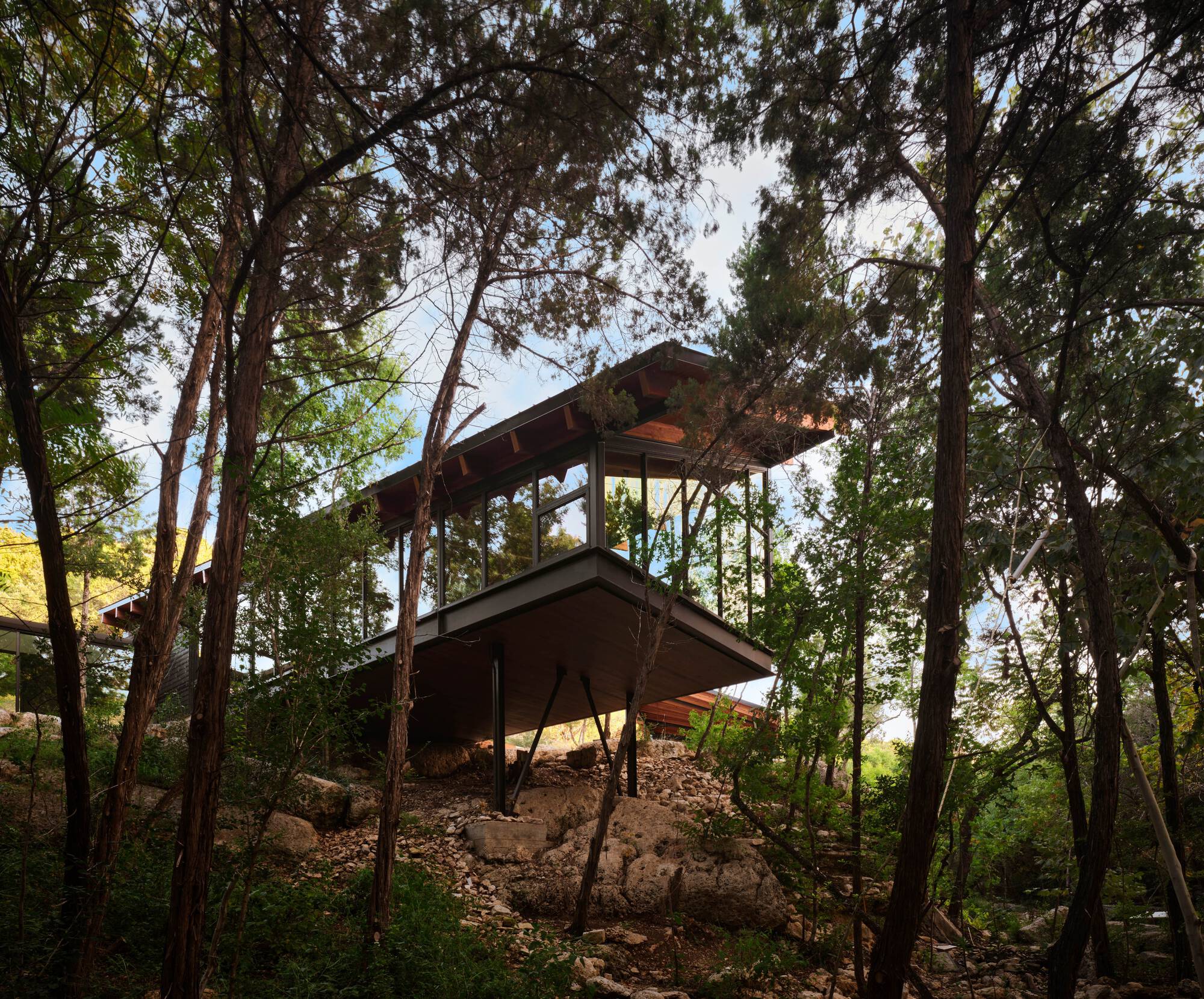
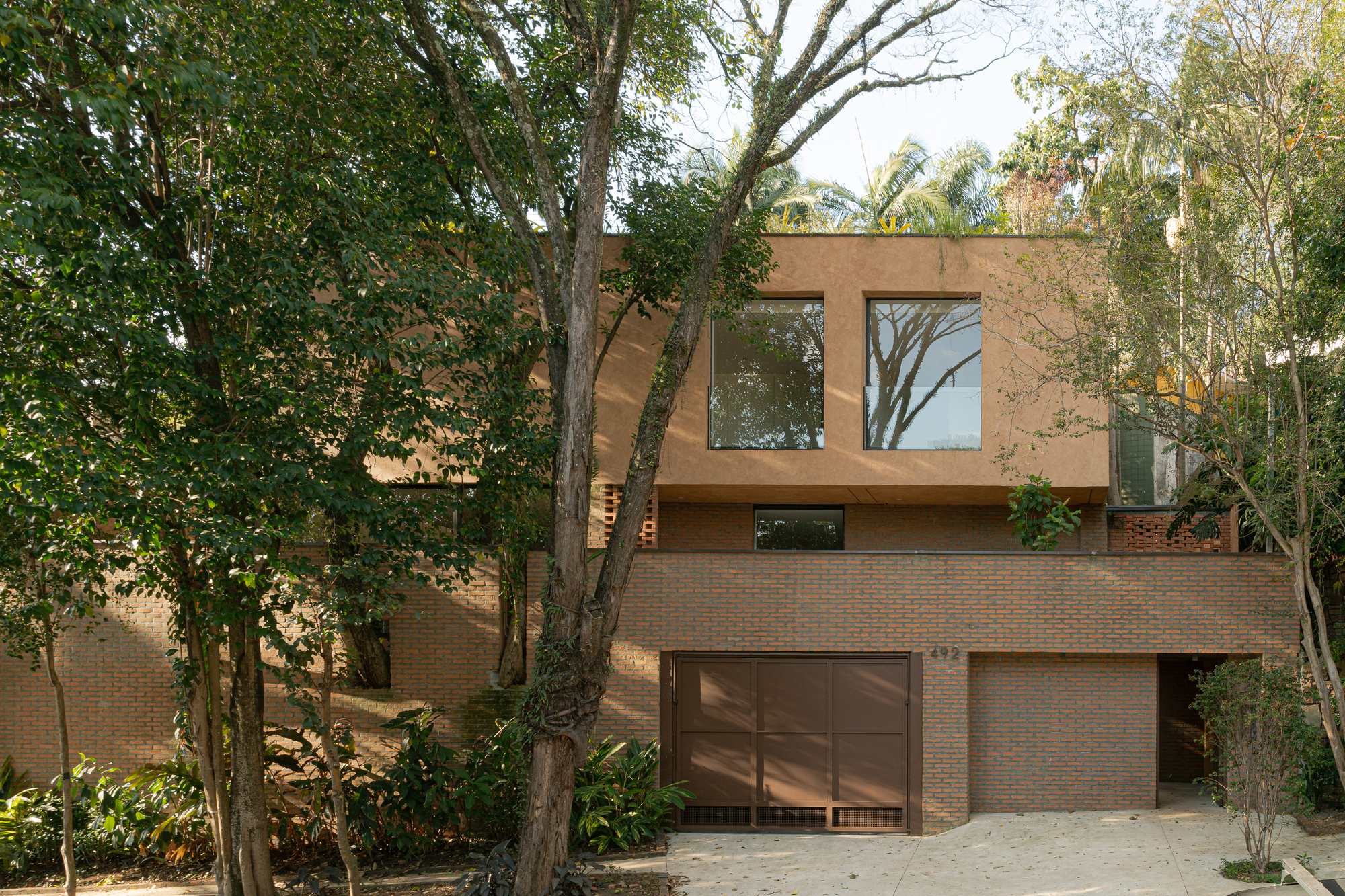
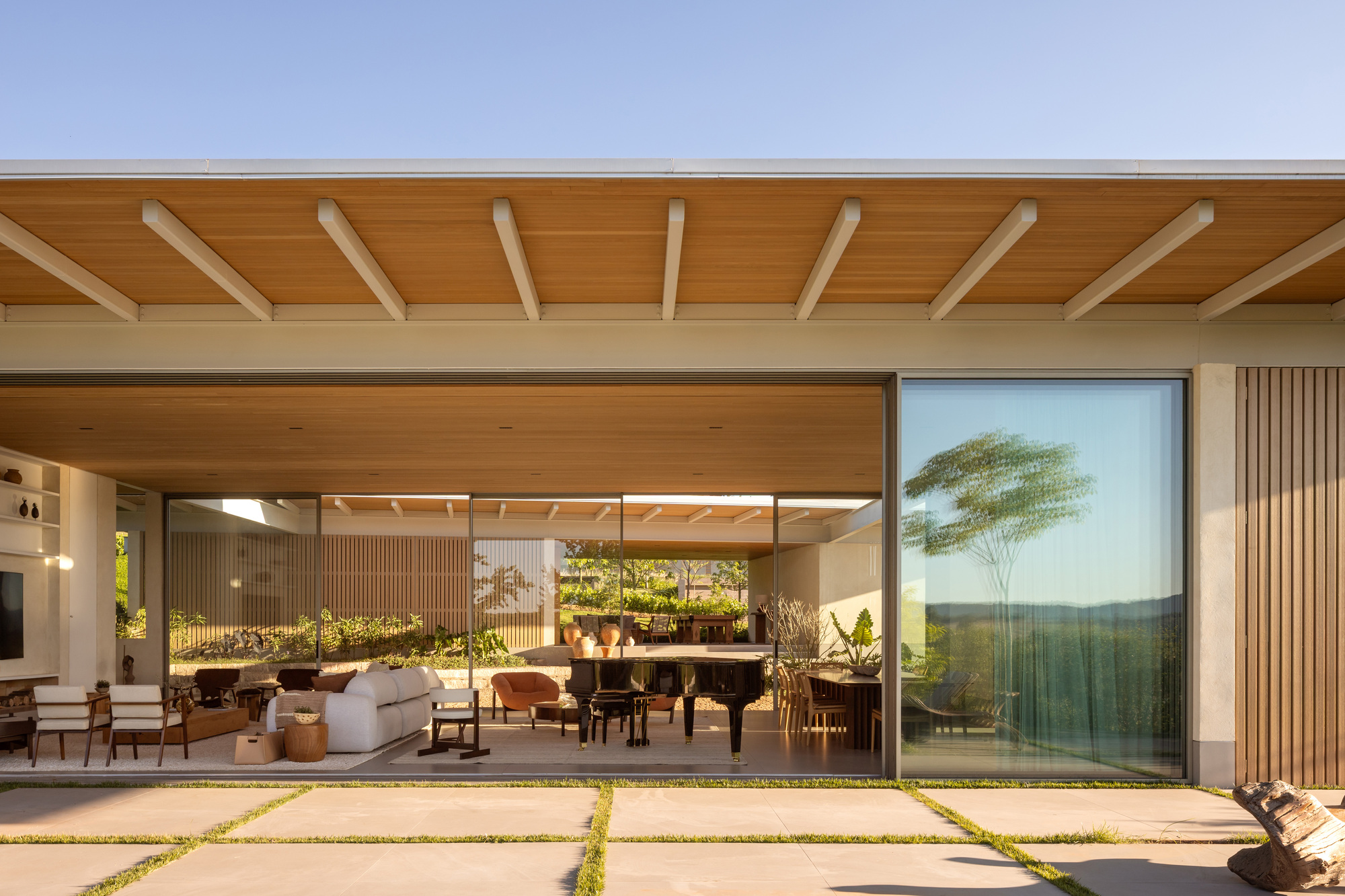
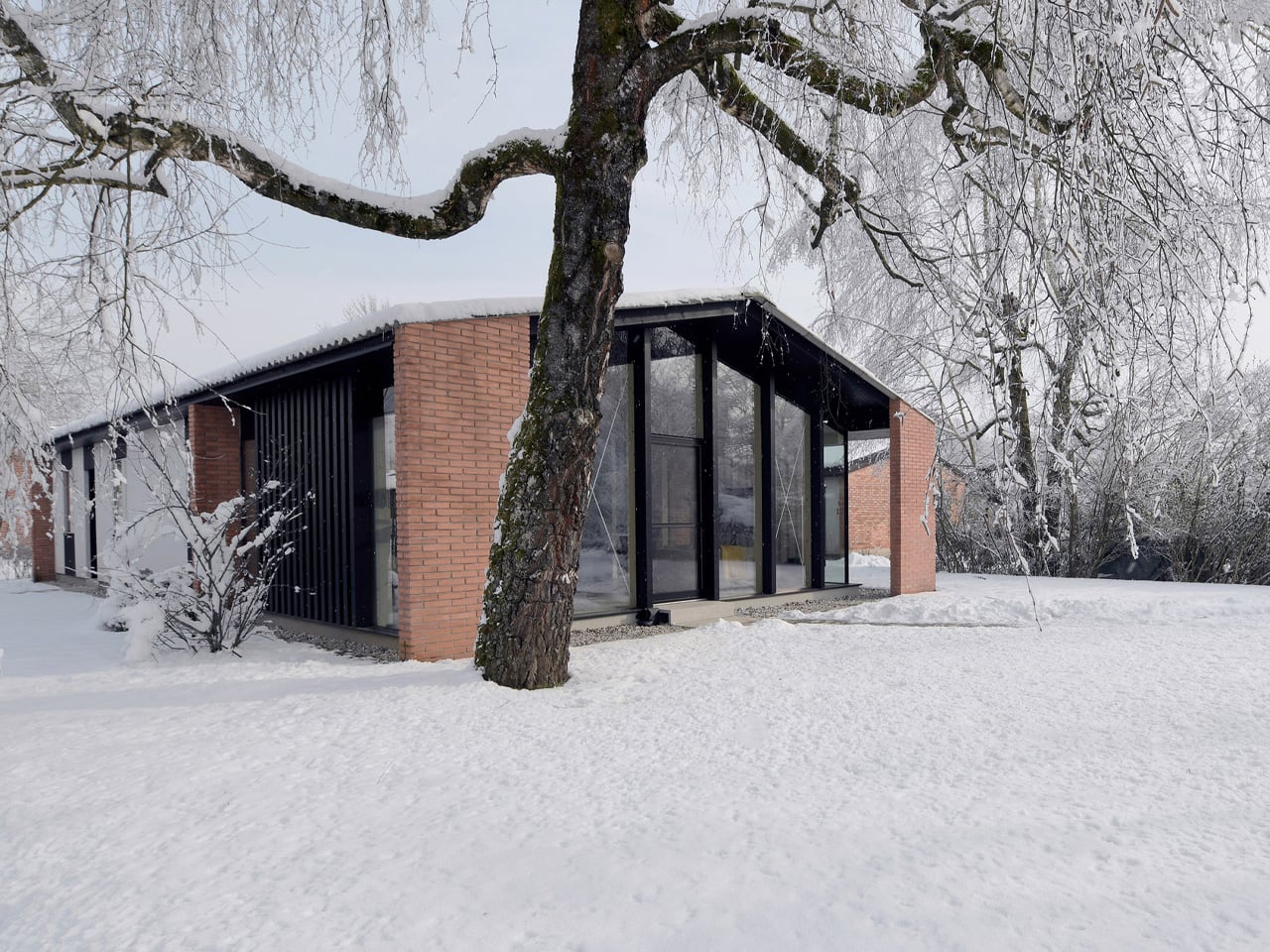
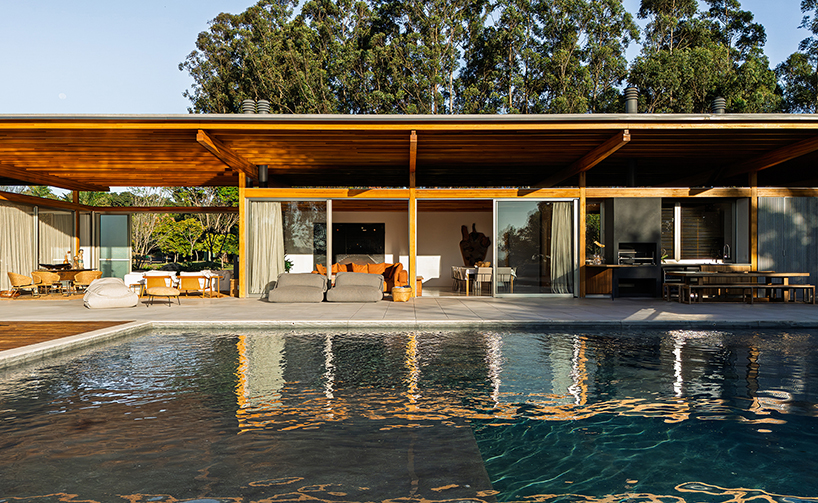
Archirie + 30 More SpecsLess Specs Archirie Text description provided by the architects. This building was designed as a home for a couple and their two children. The site is located on a quiet residential corner surrounded by an apartment complex and a golf course, with three sides facing roads except for the south.
More specifically, the houses that were most viewed on the ArchDaily global site were concrete houses that bore considerable injections of greenery and landscape focus. They propose layouts highlighting voids and double heights, as well as inner courtyards or large openings to the exterior. While some references did suggest traditional or vernacular elements, modernist revivals were still predominant. Material trends are much more tame, with a recurrence of raw concrete use, as wood and stone were common accent elements.
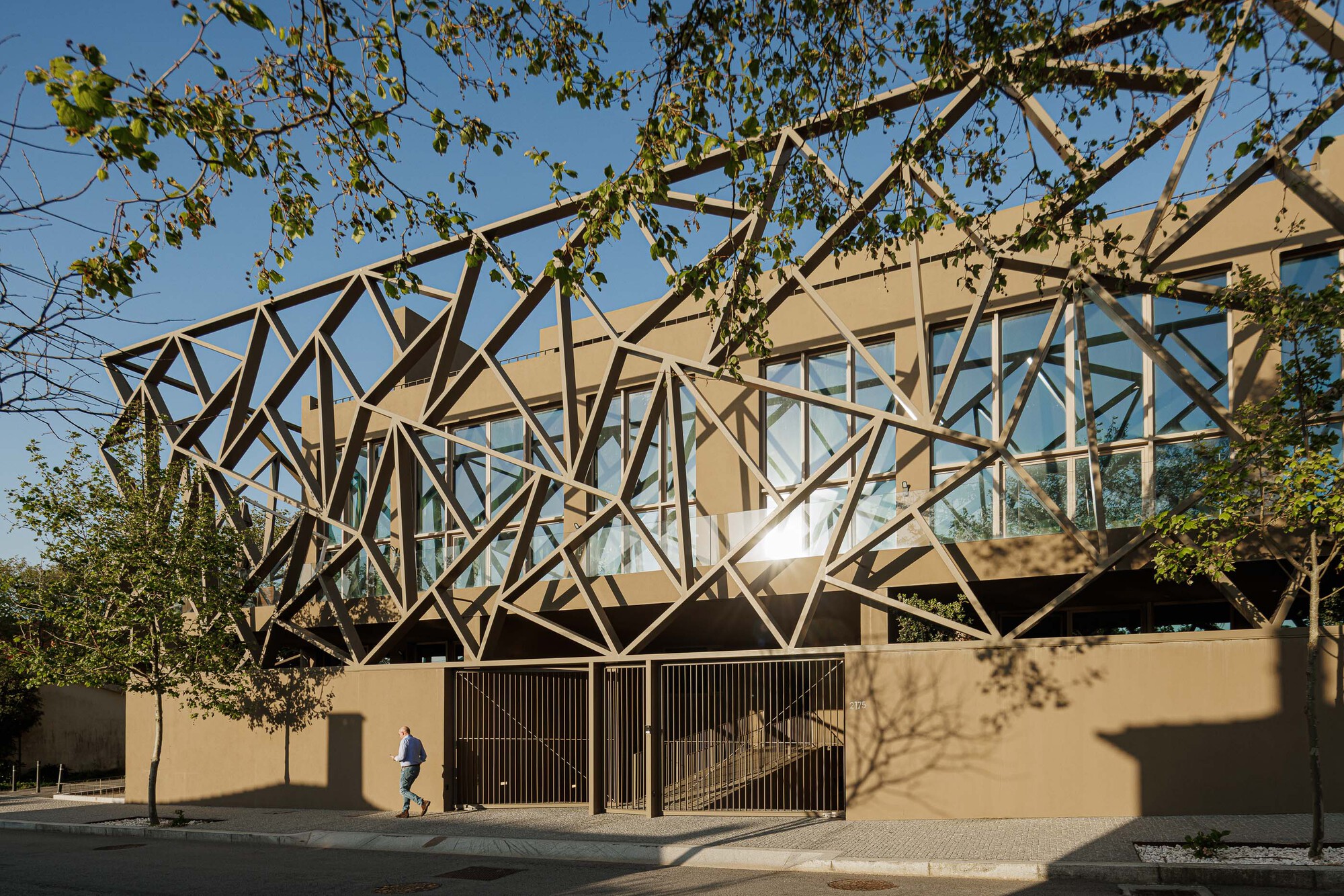
Julia Manaças Architecte and organize the Waterhouse's clustered composition so that from the road, the first element is the blind wall of the Atelier. Its pyramidal interior accommodates a workshop and winter parking, with a mezzanine tucked above for storage. The geometry produces a calm, grounded surface toward the entry path. To the right, the Tower extends three levels upward, each floor holding a guest bedroom and bath.
This plan for this residential complex, which includes 11 maisonette units, was based around a system of nested spaces: the "Void Core" as a conduit for light and air; the "Space" as the primary living zone; the "Buffer," formed by corridors and stairs; and the "Case," which envelops the living areas.
The façade takes direct inspiration from Antoni Gaudí's mosaic techniques, wrapping white ceramic tiles of varying sizes around flowing curves. Larger pieces cover flat surfaces while finer, granular patterns smooth out tighter bends. This careful choreography maintains continuity across every undulation, creating a sculptural presence that shifts in the light and glows against the surrounding commercial blocks. The Island earns its name through sheer commitment to greenery.
Set within an agricultural landscape on the outskirts of the city, Nandivardhanam is conceived as a residence that embraces the ethos of slow living. Positioned among sprawling fields, the house establishes an architecture of grounding, where material authenticity, climate responsiveness, and domestic rituals shape the spatial narrative.
Finbarr Fallon + 24 Category: Residential Architecture Design Team: Lorenzo Mattozzi, Marco Gazzola, Alberto Menozzi, Luca Beltrame, Fredy Fortich, Amanda Galiana Ortega, Andrea Ventura, Monika Wiecha, Chi Zhang Visualisations: Antonio Luca Coco, Gianlorenzo Petrini Co Architects: ADDP Architects LLP More SpecsLess Specs Finbarr Fallon Text description provided by the architects. MVRDV's pixelated facade design brings variety and identity to prefabricated modular towers in Singapore.
The new Soldalhus Nursing Home in Northern Jutland provides 96 dementia-friendly residences, a central community building, and extensive shared and service areas. Designed by Cubo Arkitekter with a clear human focus, the project emphasizes dignity, independence, and connection for residents, staff, and visitors. The name Soldalhus, directly translated as "Sunvalley House," reflects the design's emphasis on light, openness, and integration with the surrounding landscape.
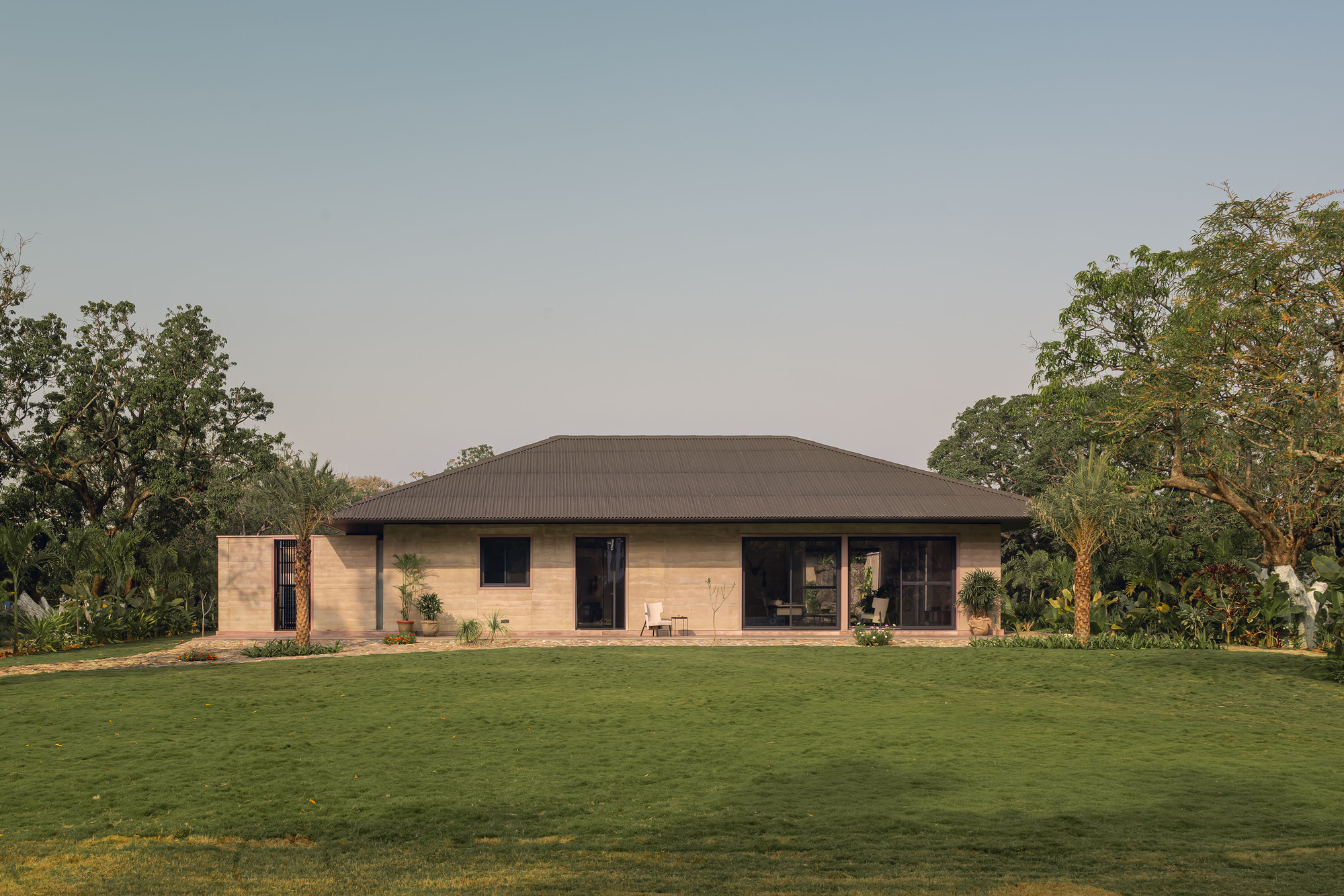
The house is arranged as an elongated volume surrounded by gardens to offer long, uninterrupted views across the vast landscape. Two formal operations define the design approach. The main home appears as a monolithic element with earth-toned walls, creating an opaque, introverted presence. Beside it, a lighter pavilion is expressed with large windows and horizontal sun-shading components that temper light and extend the project's contemporary character.
The project by Atelier Matteo Arnone for Quinta do Alamo represents a dialogue between past and present, between the memory of the winemaking tradition and the modernity of a house designed for two DJs. Located in Carnota, in the municipality of Alenquer, just 40 minutes from Lisbon, the Quinta is surrounded by vineyards that tell a long history of wine production, offering a unique natural and cultural setting.
The Evening Sky Residence is a vineyard home in the foothills of McMinnville, Oregon. The house is placed in a natural clearing at the vineyard's highest point, sited to overlook the Willamette Valley to the East and the Coastal Mountain Range to the West. The architecture's linearity, contextualized materials, and indoor-outdoor living create a place that is inviting and timeless.
Carolina Mossin + 23 Category: Residential Architecture, Houses Project Year: Ana Carolina Vicari, Leonardo Tomazeli, Larissa Fossalussa Lisse, Luiz Freire, Vitor Rodrigues Engineering & Consulting > Structural: Ferriani Engineering & Consulting > Lighting: Ferriani Engineering & Consulting > Electrical: Corral Engenharia General Construction: Breci Construtora Interior Design: Breci Construtora Landscape Architecture: Daniel Nunes Engineering & Consulting > Others: Automundi, Engefrosty More SpecsLess Specs
In the west of Berlin, nestled between the historic Grunewald forest and the old AVUS route, lies the Eichkamp estate, designed by Bruno Taut - a residential neighborhood that was conceived as a forest estate in the early 1920s. The plot is one of the last undeveloped plots in this unique ensemble. The special character of the estate, characterized by old deciduous trees, small detached houses, and an almost village-like atmosphere, despite its proximity to the ICC, can still be clearly felt here.
With Palazzo, Benthem Crouwel Architects completes the Paleiskwartier in Hertogenbosch - a robust, warm, and open residential building that literally embraces the city. Commissioned by BV Ontwikkelingsmaatschappij Paleiskwartier, Palazzo marks the culmination of more than thirty years of urban development around the Central Station - an area where living, working, and meeting converge. Palazzo brings the whole together and gives new life to the district. The building deliberately faces the city, creates space for the square, and invites people to connect.
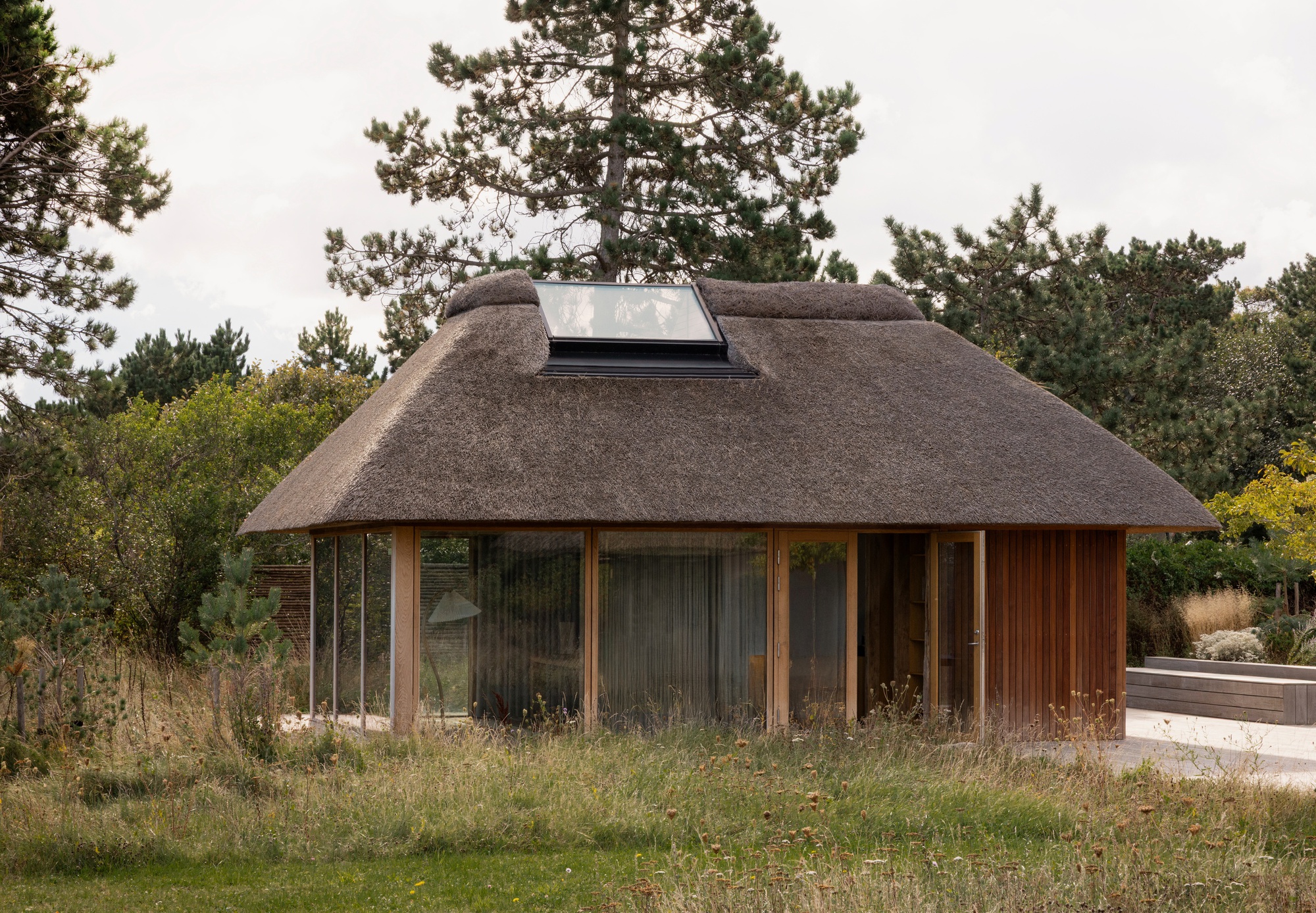
Nanne Springer + 25 Category: Residential Architecture, Houses Office Lead Architects: Sigridur Magnusdottir, Hans-Olav Andersen Design Team: Teiknistofan Tro More SpecsLess Specs Nanne Springer Location- Nestled in a secluded valley in southwest Iceland, the holiday home is situated on a site defined by untouched natural vegetation, including mountain birch, heather, and grass. The terrain slopes gently southward and borders a large lake, offering dramatic views across the water toward distant mountains.
Area of this architecture project Area: 200 m Completion year of this architecture project Year: 2024 Photographs:Toby Scott Brands with products used in this architecture project Manufacturers: Fisher & Paykel, Armadillo and Co, Artedomus , Blum, Franca Stone, Polytec On a steep, compact site in inner-city Brisbane, Tighty Whitey House redefines what's possible within a small urban footprint. Designed by Maytree Studios, the project challenges conventional ideas about scale, privacy, and densityproving that clever design and restraint can create generosity in the most modest conditions.
The house is positioned on the site with the aim of responding in a relatively simple way to two central questions: How can it capture a panoramic view of the horizon, which also brings us the presence of the sea? How can it embrace outdoor spaces that simultaneously protect the residents' privacy from neighbors' views and ensure comfort on days of strong wind?
Primeriza House is located on a small clearing of an otherwise heavily sloped terrain with stunning views of the Pacific Ocean to the front and a strong backdrop of almost vertical slope densely populated by cypress trees. Our clients wanted to make the most of outdoor living, and one of their key requirements was to create many opportunities to inhabit the exterior. Another was to create various different environments, nooks and crannies, and moods inside the house.
Hiroki Kawata + 24 Structural Engineer: soaps More SpecsLess Specs Hiroki Kawata "Weave" takes its name from the ideas of interlacing and spinning. The house pursues a living environment with a tangible "grain," woven from natural materials, passive performance, and everyday culture. Rather than leaning one-sidedly on technical metrics, it layers light and wind, materiality, and the rituals of daily life with care, seeking a stance that is attentive to the environment and a form of architecture that stays close to how people actually live.