Science
fromNature
2 weeks agoData centres are controversial: will launching them into space help?
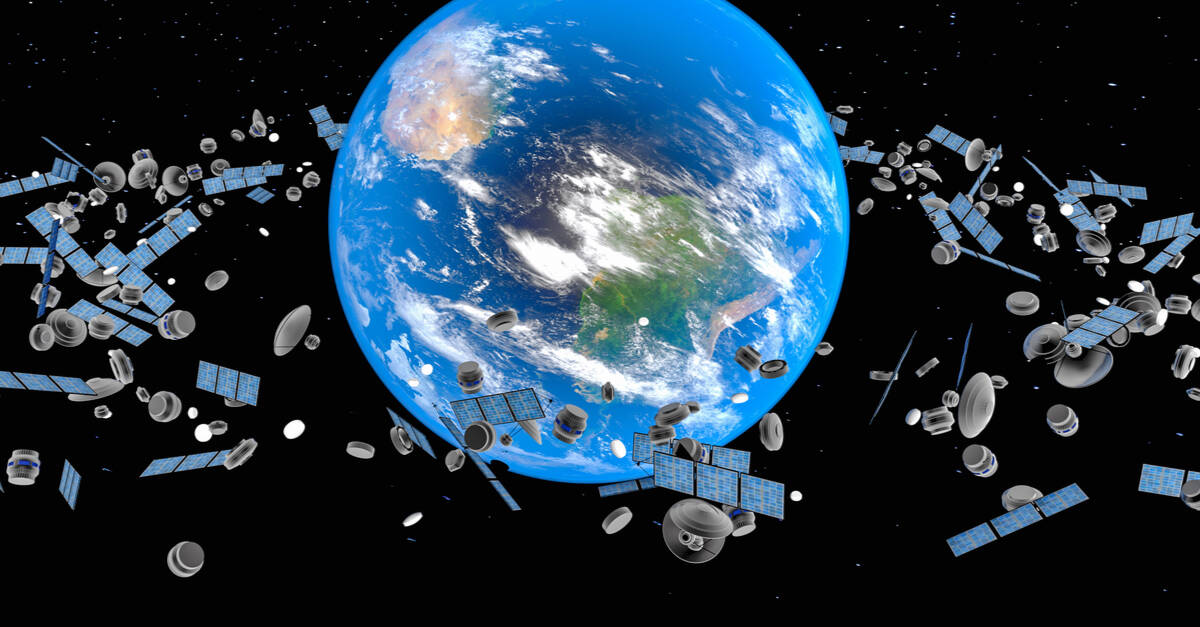
Companies are planning to launch data centres into space to address environmental concerns associated with Earth-based facilities.
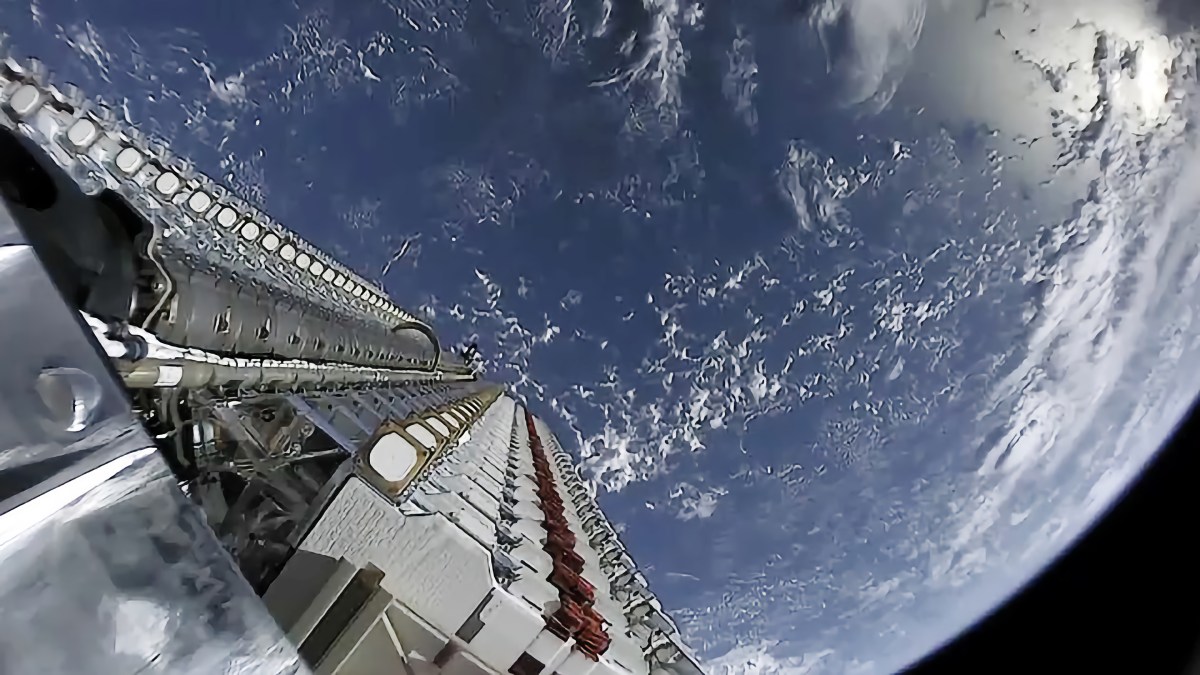
Jeff Bezos's space company Blue Origin on Wednesday announced a plan to deploy 5,408 satellites in space for a communications network that will serve data centers, governments and businesses, jumping into a satellite constellation market dominated by Elon Musk's SpaceX. Deployment of satellites is planned to begin in the last quarter of 2027, Blue Origin said, adding the network will be designed to have data speeds of up to 6 Tbps anywhere on Earth.
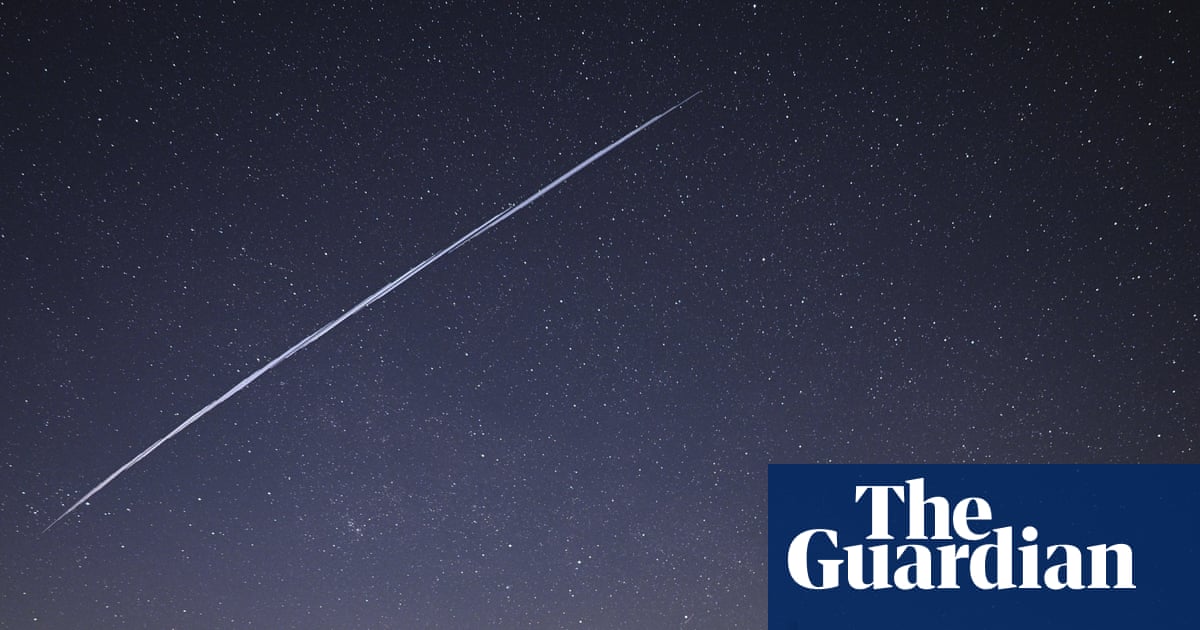
In an interview with The Register, Tudor Williams, CTO of high-frequency RF communication company Filtronic, explained the problem, which is mainly related to satellite-to-ground transmissions (many large constellations, such as SpaceX's Starlink, use optical links for satellite-to-satellite communication, which don't cause the same issues.) According to Williams, the problem comes from the side lobes of poorly designed antennas, where signals are unintentionally spread. The effect can be bands used for communications overlapping with observation bands, causing headaches for radio astronomers.
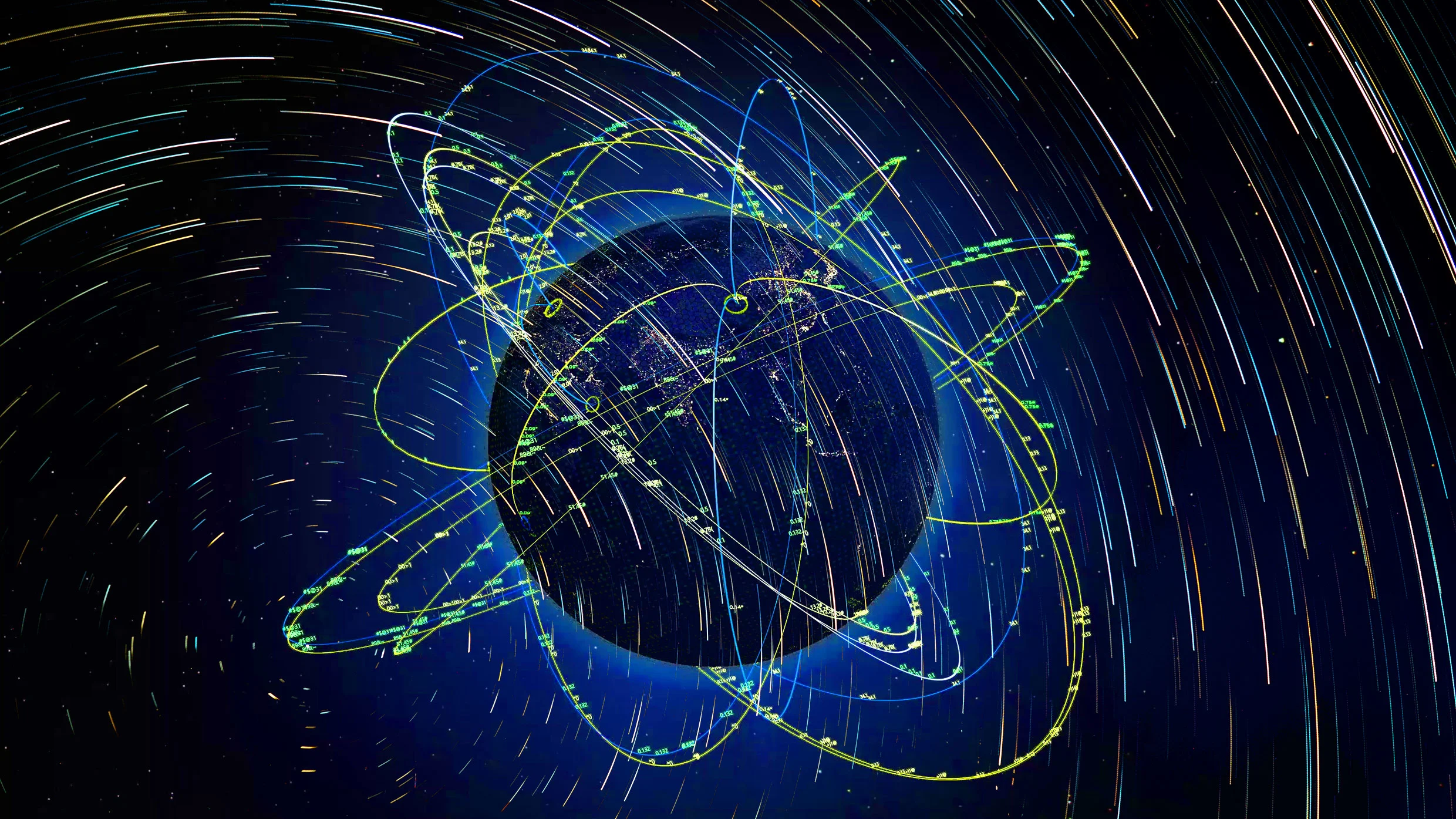
Included in the study was NASA's SPHEREx space telescope, the European Space Agency's proposed ARRAKIHS system, and China's planned Xuntian space telescope, as well as Hubble, all of which orbit at altitudes between about 450 and 800 kilometers. The findings suggest about 39.6 percent of Hubble's images and 96 percent of images from the other three telescopes would be affected by interference from satellites.
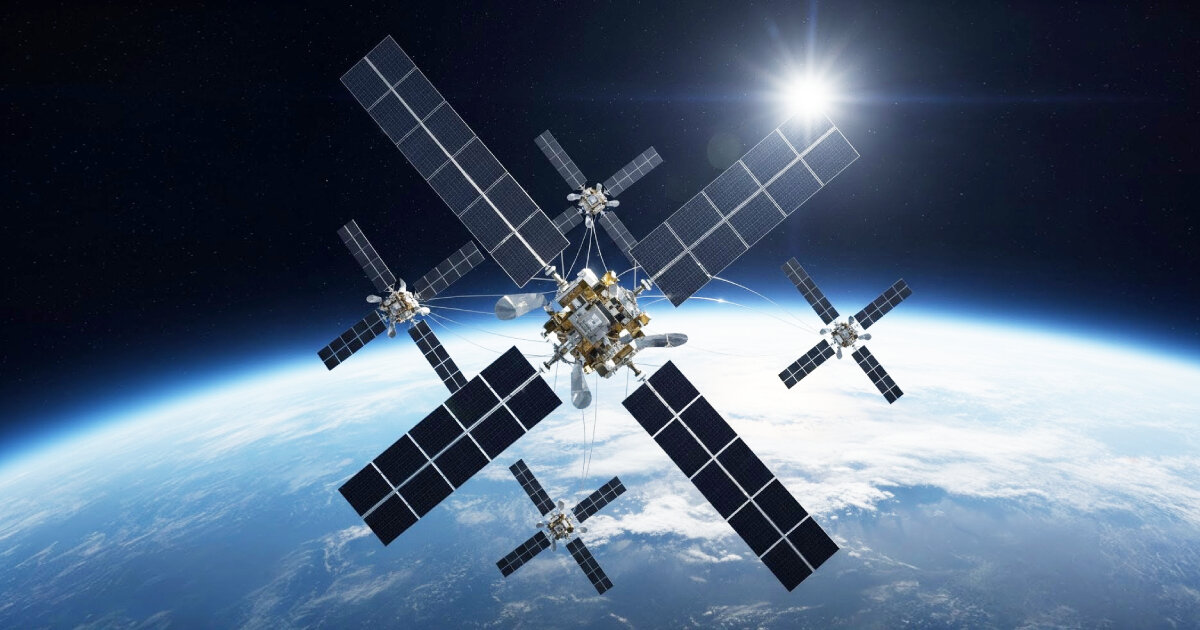
Google on Tuesday announced a new moonshot - launching constellations of solar-powered satellites packed to the gills with its home-grown tensor processing units (TPUs) to form orbital AI datacenters. "In the future, space may be the best place to scale AI compute," Google executives wrote in a blog post, in which they explain that solar panels can be eight times more efficient in space than on Earth, and can produce power continuously.
After putting 200 satellites into orbit in 2023, it has now doubled its orbital payloads from last year, and it is also building two substantial low-Earth-orbit constellations similar in some ways to Elon Musk's Starlink. These are just a few examples of howChina is speeding through its five-year national strategy for space. Launch vehicles have been expanded, satellites are continually being updated, and launch pads are being built for not just more but also faster missions. It has even tested experimental "dogfighting" satellites.