#satellite-internet
#satellite-internet
[ follow ]
#starlink #spacex #project-kuiper #amazon #amazon-leo #elon-musk #blue-origin #starlink-mini #low-earth-orbit #leo
#starlink



European startups
fromComputerWeekly.com
1 month agoStarlink launches services in UAE and Kuwait, expanding Middle East satellite internet | Computer Weekly
Starlink expands its Middle East operations by launching services in the UAE and Kuwait, enhancing global internet access with low-latency satellite technology.

fromWIRED
5 days agoMeet Rassvet, Russia's Answer to Starlink
The launch took place on March 23 at 8:24 pm Moscow time from the military's Plesetsk Cosmodrome using the Soyuz-2.1B launcher, and marked the first step in building an infrastructure that is expected to have at least 300 satellites by 2030. "The launch marks the transition from the experimental phase to the creation of a communication service," Bureau 1440 announced on Telegram. "The Bureau 1440 team completed this path in 1,000 days, which is the time between the launch of the experimental satellites and the production satellites."
Science
fromFast Company
3 weeks agoWhat's going on with AST SpaceMobile? Blue Origin mishap sends ASTS stock tumbling
The New Glenn's payload was AST SpaceMobile's BlueBird 7 satellite, which is part of a constellation the space-based internet provider is building to deliver broadband internet to smartphones on Earth.
Venture









Gadgets
frominsideevs.com
4 months agoAn Actual Gamechanger: This One Obvious Feature Could Put Tesla Back On Top. Here's When It Could Happen
Tesla patented a radio-frequency-transparent vehicle roof to enable Starlink satellite internet integration, expanding always-on connectivity and turning cars into mobile power and work hubs.
fromTelecompetitor
5 months agoAmazon Leo announces preview phase
Amazon Leo, the company's satellite internet service with more than 150 satellites in orbit, is launching a preview designed to enable select business customers to begin testing the network using production hardware and software. The company also said the preview will also allow the Amazon Leo team to gather additional customer feedback and tailor solutions for specific industries ahead of a broader 2026 rollout.
Tech industry
fromThe Verge
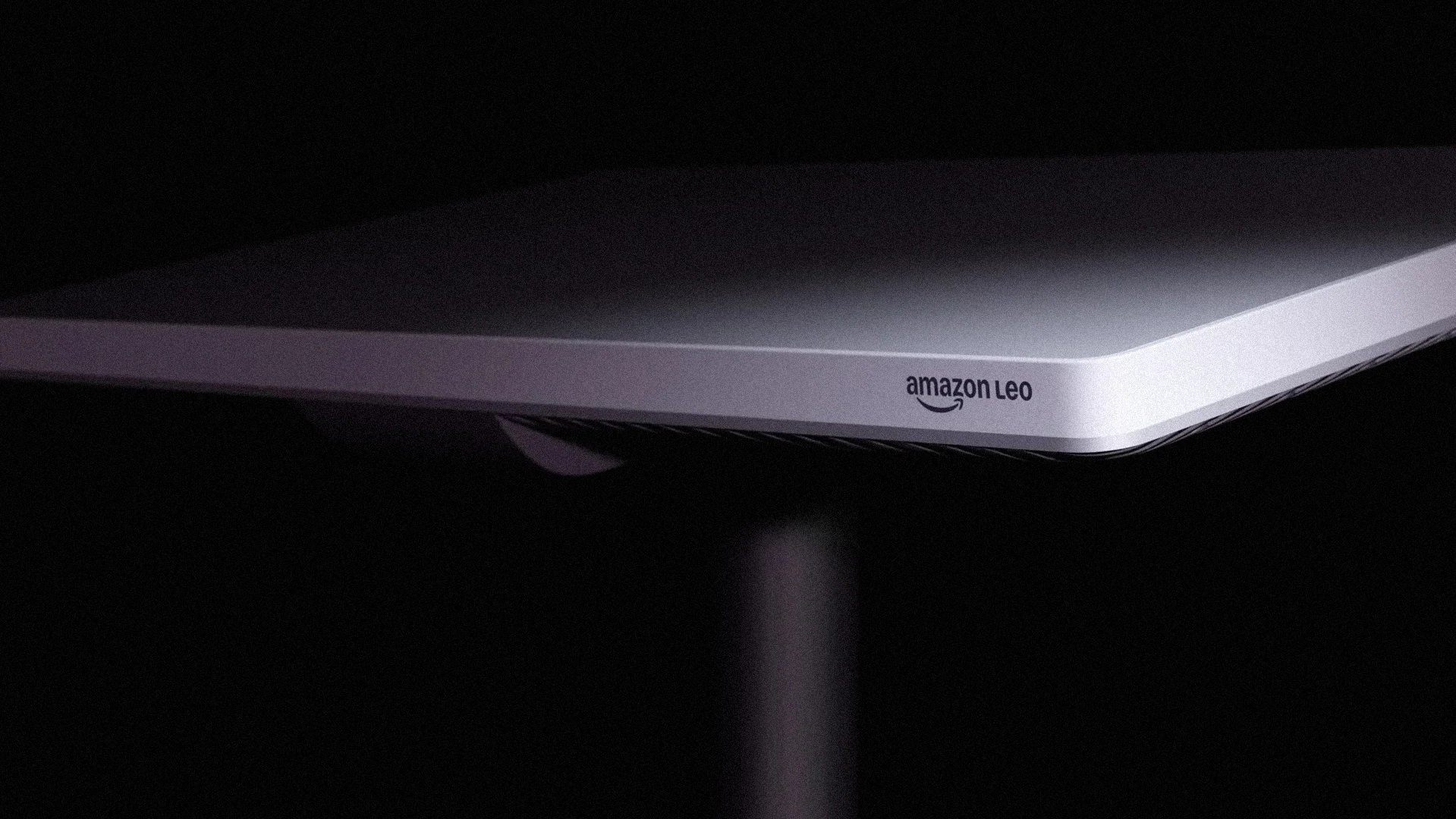
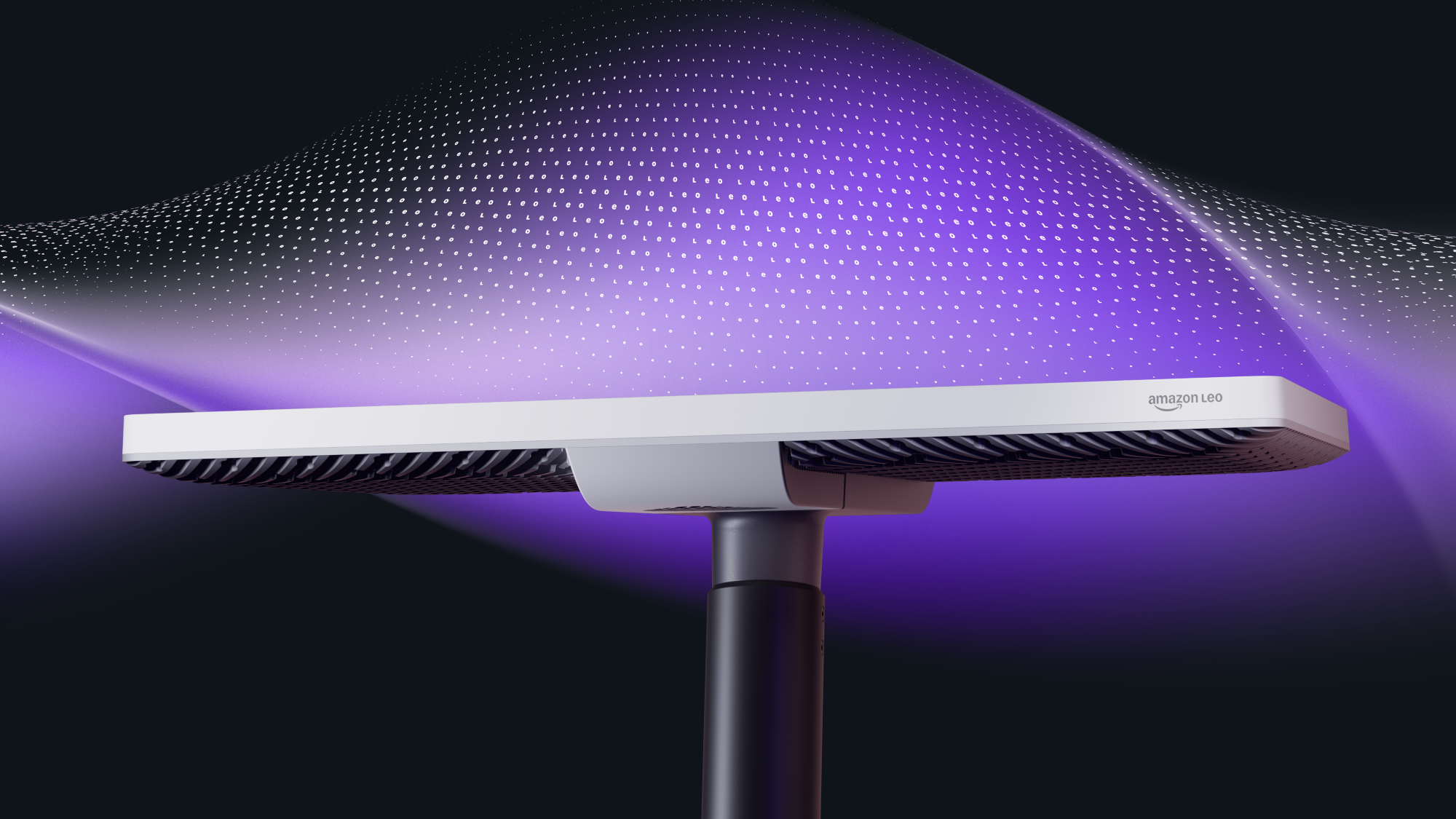
5 months agoAmazon's Starlink competitor is launching with 'world's fastest satellite internet antenna'
No pricing or availability details have been announced, but this gives us our first good look at the 20-by-30-inch design and specs of the new antenna. Amazon claims Leo Ultra is "the fastest customer terminal in production," offering up to 1Gbps downloads and 400Mbps uploads simultaneously, along with private networking services and direct connections to Amazon Web Services (AWS) and other cloud networks.
Gadgets



[ Load more ]