#shipbuilding
#shipbuilding
[ follow ]
#us-navy #china #navy #national-security #trump #automation #aukus #palantir #economic-development #golden-fleet
fromwww.businessinsider.com
1 month agoA top US shipbuilder is exploring how AI and robots can do some of the hardest jobs on the production floor
"Together we will integrate physical AI into manned and unmanned shipbuilding and further accelerate the industrial revitalization already underway," Eric Chewning stated.
Artificial intelligence
Business
fromFortune
1 month agoThis AI-proof career faces a 250,000-worker shortage-now the Trump administration is trying to revive the job millennials abandoned | Fortune
The U.S. shipbuilding industry faces a significant workforce shortfall, presenting opportunities for Gen Z in stable, skilled trade careers.
fromwww.archdaily.com
2 months agoImabari Shipbuilding Marugame Office / Yano Aoyama Architecture Design
Intervening at the head office of Imabari Shipbuilding's Marugame Site presented an opportunity to reorganize the working environment of multiple parties involved in the construction of large tankers, formerly scattered across a vast industrial area of 0.88 km.
Design

fromBusiness Insider
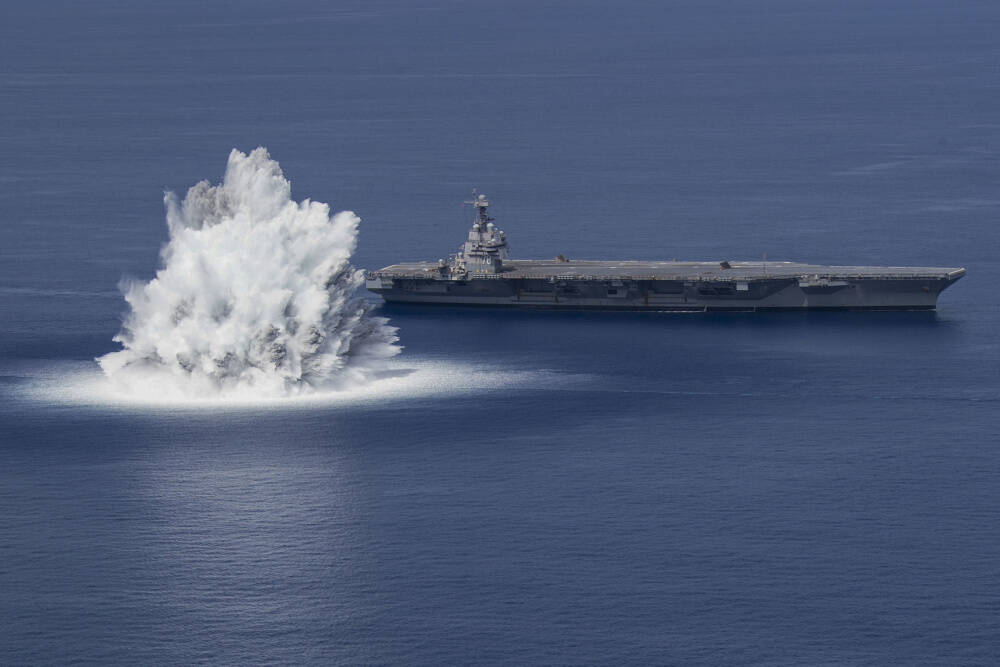
3 months agoShipbuilders put 3D printed parts on a US aircraft carrier and submarine. The Navy liked the results.
The US Navy is betting on 3D printing parts to speed up work on the fleet while also cutting costs after two wins last year, the service said recently. A Naval Sea Systems Command release said that additive manufacturing moved "from a promising capability to a warfighting capability in 2025." Two examples the Navy said were among the service's most significant achievements last year involved putting 3D-printed parts on its most in-demand and complex vessels.
World news
fromFortune
5 months agoNavy Secretary warns workers can make more at Amazon instead of building America's warships: 'It's hard to get that person to want to do that job' | Fortune
Convincing workers to spend their days welding at a shipyard, when they could earn a similar amount of money working behind the counter of an air-conditioned Buc-ee's, is one of the biggest obstacles to reviving the country's lagging $37 billion shipbuilding industry. At least that's the theory of U.S. Navy Secretary John Phelan, who, during his confirmation hearing in February, said he was handed down a mandate of " shipbuilding, shipbuilding, shipbuilding " by President Donald Trump.
US politics
World news
fromFortune
6 months agoNasdaq futures tumble 1.3% premarket as China launches fresh shipping ban, 'signaling it will hit third-country firms that help Washington' | Fortune
Chinese sanctions on Hanwha Ocean's U.S. subsidiaries triggered U.S. market declines and heightened U.S.-China trade tensions, hitting shipbuilding and technology sectors.
fromKqed
1 year agoCalifornia Forever's Shipbuilding Plans Need More Details, Solano County Officials Say | KQED
"The Solano Shipyard is a once-in-a-generation opportunity to restore America's maritime leadership, revitalize our county's shipbuilding heritage, and bring tens of thousands of good jobs to the area."
SF politics
US news
fromNew York Post
1 year agoTrump unveils plan to impose levies on Chinese ships docking at US ports as trade war escalates
The Trump administration proposed new fees on Chinese vessels docking at U.S. ports, escalating trade tensions.
The fees aim to bolster the U.S. shipbuilding industry while impacting international supply chains.
[ Load more ]