Mobile UX
fromGSMArena.com
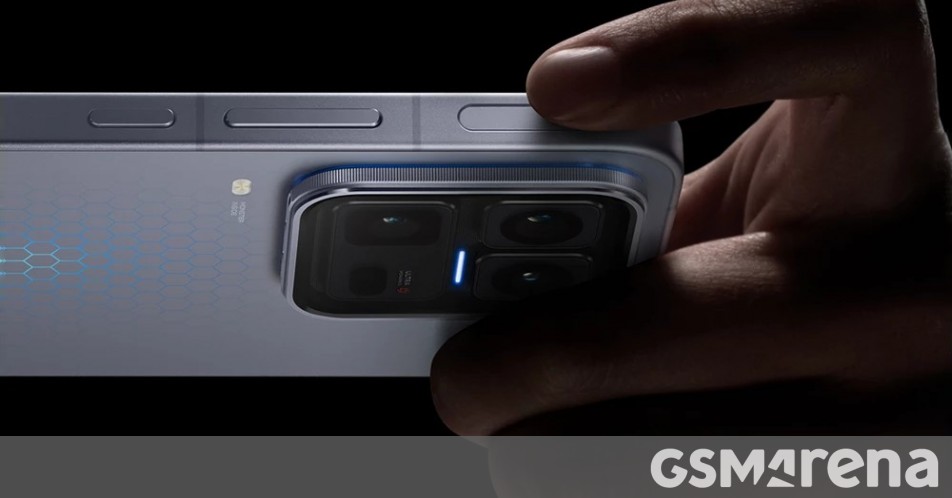
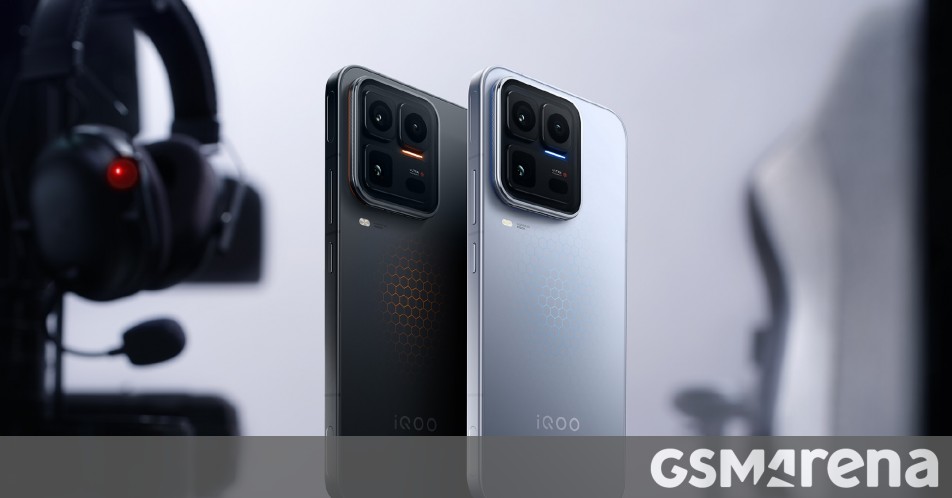
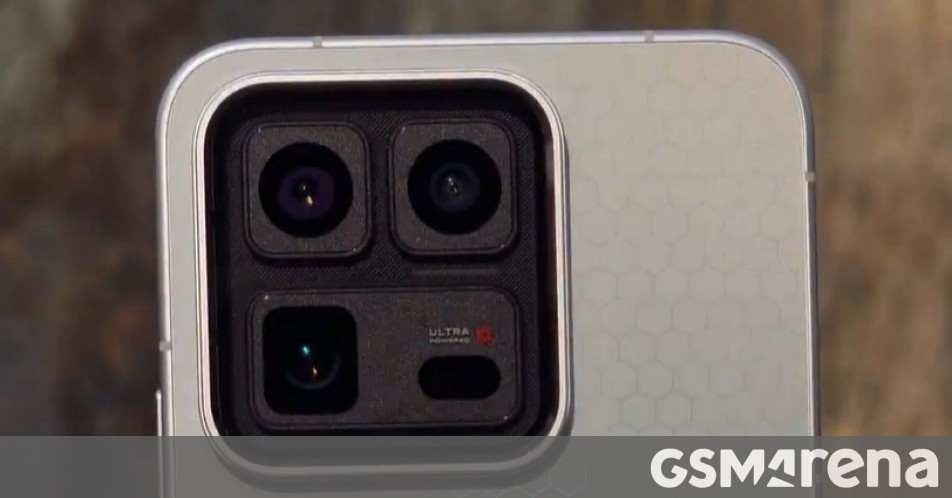
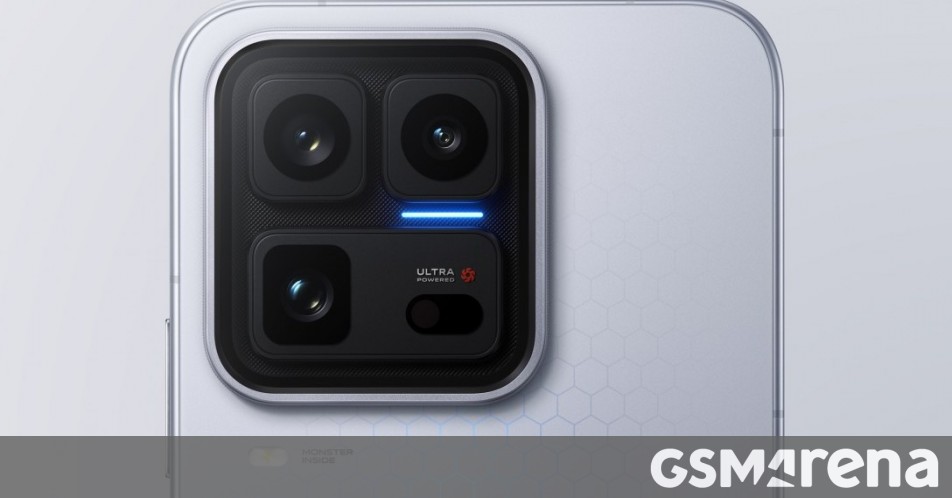
5 days agoiQOO Neo12 key specs tipped, may offer an active cooling fan
iQOO Neo12 for China is reportedly in testing with Snapdragon 8 Elite Gen 5, possible 2K display, and evaluation of passive and active cooling.
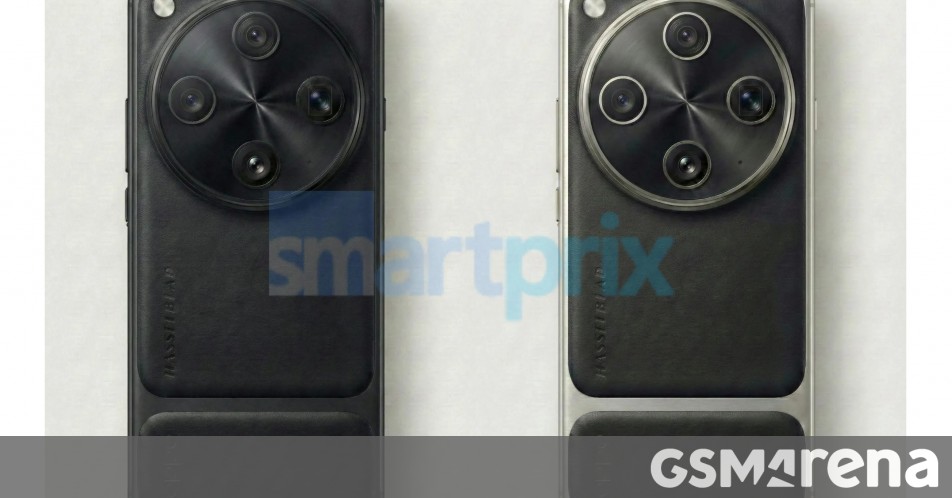
According to a tipster, the Find X9 Ultra is being tested with a BOE OLED display with a 2K resolution and a refresh rate of 144Hz. However, the tipster claims that the retail unit may offer a 120Hz panel. The phone is also tipped to feature a 7,050mAh battery. If accurate, this would be a big jump from the 6,100mAh cell in the Find X8 Ultra. Notably, in December last year, Oppo's Zhou Yibao had confirmed that the X9 Ultra would offer a battery larger than 7,000mAh.
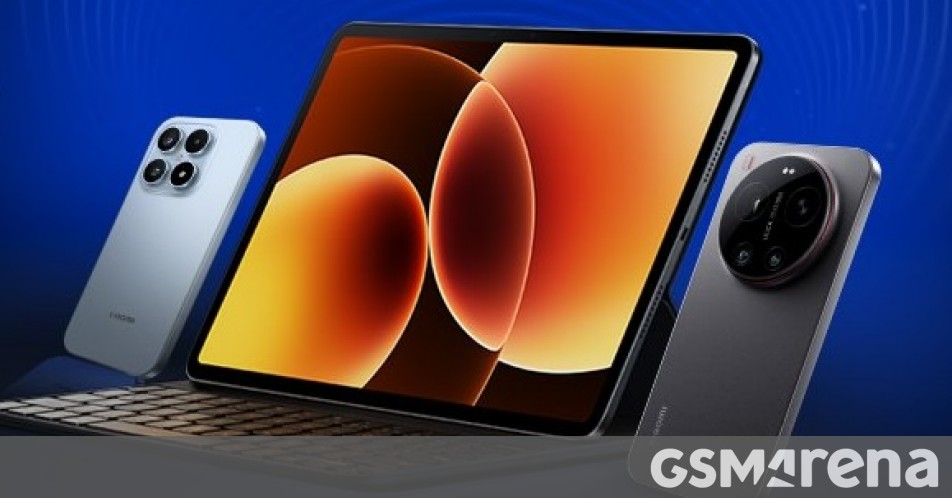
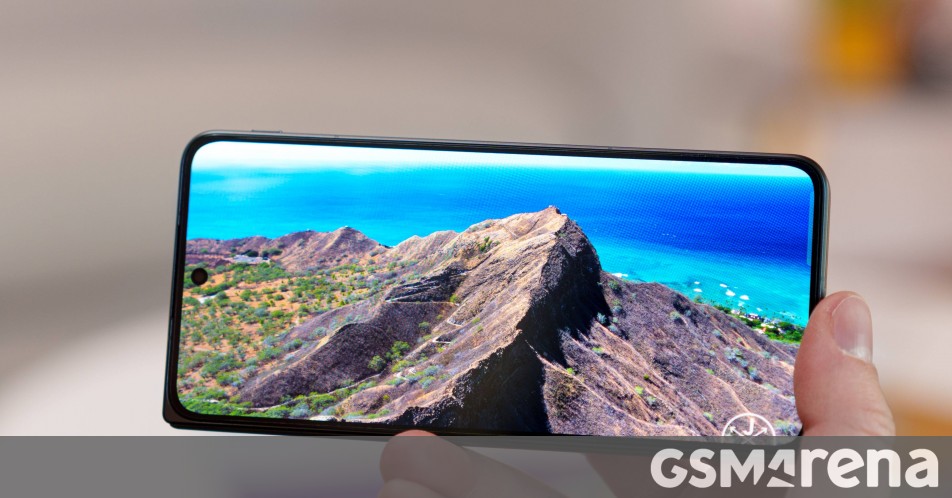
The official posters on Weibo confirm an 8.8-inch display with a 3040 x 1904px resolution, 165Hz refresh rate, 2640Hz touch sampling rate for faster response during gaming, 800 nits maximum brightness, and 12-bit color depth. This will likely be the same display as last year's model. And even though the poster doesn't say anything about the display technology, it's probably safe to assume it's going to be LCD as the Weibo tipster confirmed as much.
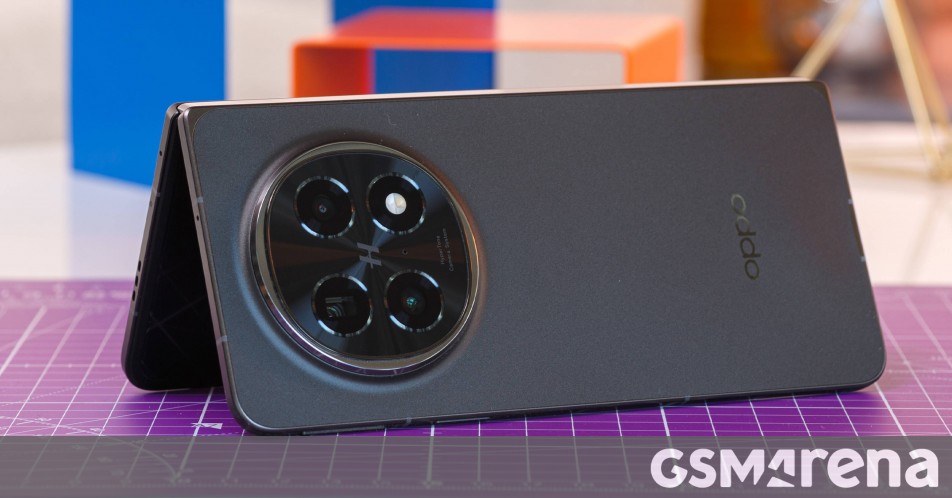
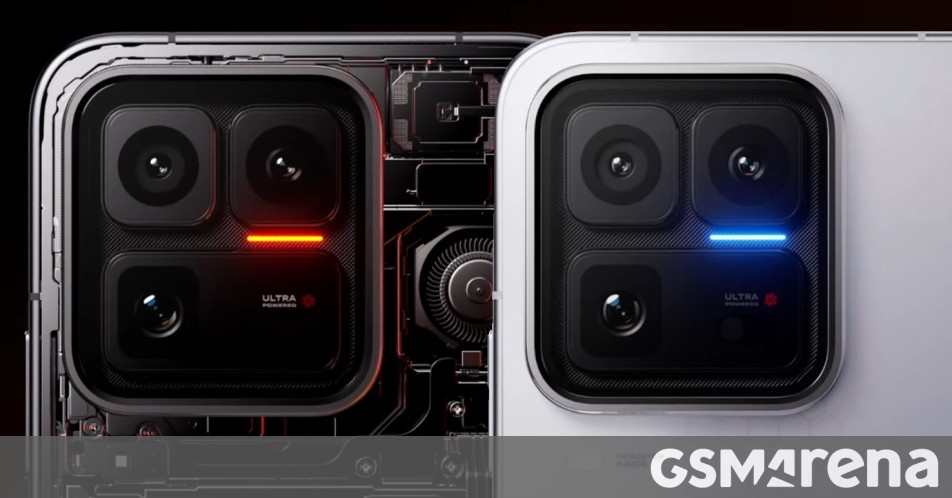
Like previous Honor RSR Porsche Design models, the latest Magic8 variant features a distinctive design with styling cues inspired by Porsche supercars. It also sports a nano-ceramic rear panel, which Honor claims offers a Mohs hardness rating of 8.5. Additionally, the Magic8 RSR Porsche Design is said to be 10% lighter than its predecessor. Notably, the camera module design is inspired by the matrix headlights seen on classic Porsche models.
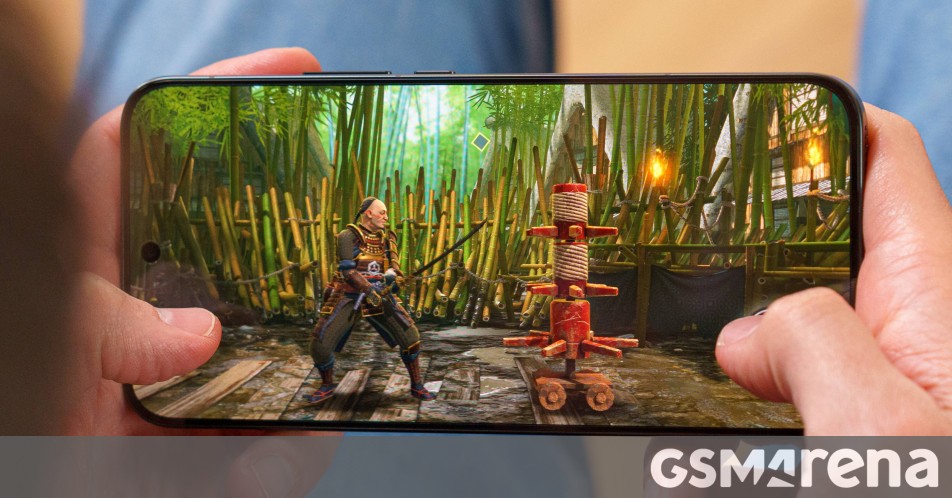
The headline feature of this one is a 10,000mAh battery! Yes, 10k, not a typo. The Honor Win will become fully official on Thursday, and we'll have the full details then. The teasers suggest excellent gaming performance and an active fan to help maintain Snapdragon 8 Elite Gen 5 nicely cool. It's paired with 16GB LPDDR5X RAM and UFS 4.1 storage. The company claimed an AnTuTu v10 score of over 4.4 million points, though we weren't able to test that at this point.
Interested customers can pre-order the Magic8 Pro starting today from Honor's online store and other online retailers across the UAE. The phone is available in 12GB/512GB and 16GB/1TB variants. Those who pre-order the phone will also receive free gifts worth AED 2,299 ($815) that include the Honor Watch5 Ultra, a 3-month free trial of Google AI Pro, and Honor VIP Care+ 12-month damage protection. The pre-orders will end on December 18.