"The political views of children inform the electoral choices of many current electors, including their parents and their teachers, as well as others interested in the views of those soon to reach the age of maturity," the company's court filing states. "Preventing children from communicating their political views directly burdens political communication in Australia."
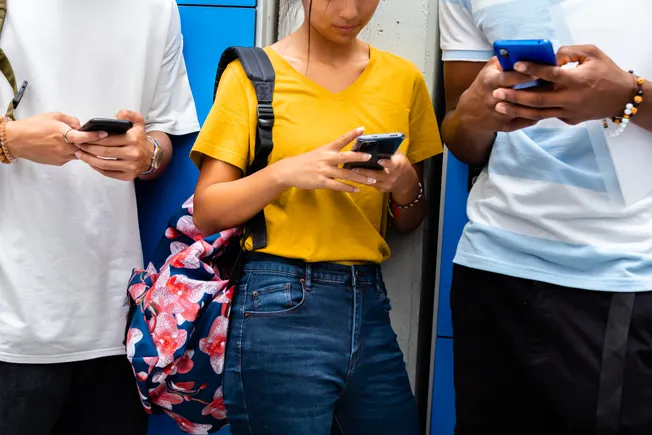
"The first step should always be to teach young people skills," Quentin Gartner of the German National Students' Conference. He added that minors need to learn how to behave responsibly online, rather than simply being blocked. Australia's new law, which came into effect on Wednesday, requires major platforms such as TikTok, Snapchat, YouTube, Instagram and Facebook to block accounts of users under 16 or face fines of up to A$49.5 million (30 million).
At what age should a minor, with or without parental consent, have a legal right to make themselves one with the brain rot of Facebook, Instagram, TikTok, Twitter/X and others? That is the seemingly simple, but ultimately loaded question at the heart of dozens of pieces of state legislation (and even more advancing lawsuits) that seek to curtail the access of teenage Americans to major social media networks.
The rise of political influencers - content creators on social media who sway public opinion by endorsing political causes or candidates - has raised questions about how best to regulate them, a German media regulator said in a study published Monday. EU rules for political advertising, aimed at countering information manipulation and foreign interference in elections, and at increasing transparency about sponsors, but political influencers fall outside that scope, have entered into force this month.
A New York law could require social media platforms to implement age verification. On Monday, New York Attorney General Letitia James released the proposed rules for the Stop Addictive Feeds Exploitation (SAFE) For Kids Act, which would force platforms to confirm that someone is over 18 before allowing them to access an algorithm-driven feed or nighttime notifications. New York Governor Kathy Hochul signed the SAFE For Kids Act into law last year as part of efforts to "protect the mental health of children."
The report, conducted in partnership with youth consultancy Livity, incorporates feedback from over 7,000 young people aged 13-18 from seven countries across Europe, and explores how they use digital platforms to learn.