World news
fromThe Atlantic
7 hours agoThe Final Hours
Stateless Afghan special forces allies faced humiliating delays, legal danger, and dependence on strangers after resettlement was blocked and visas were revoked.
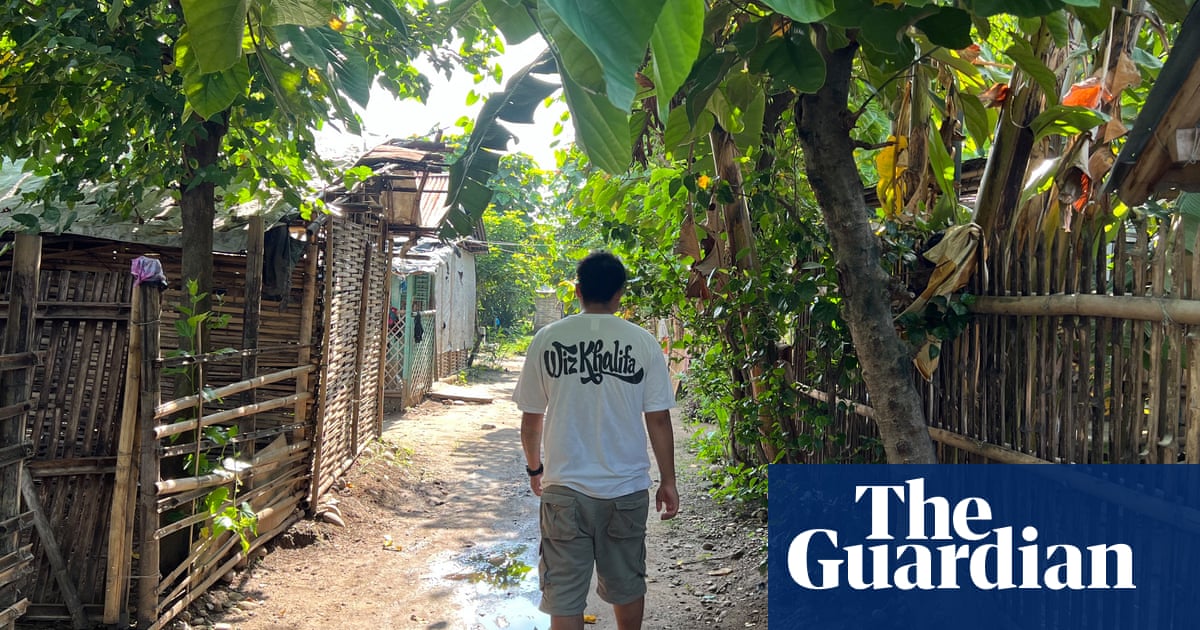
Citizens of Nowhere is a documentary short about stateless people in the United States individuals who, through circumstance or legal technicality, belong to no nation. Without passports, citizenship or legal recognition, they live in a state of uncertainty. From finding work and accessing education, to simply existing within a system that does not officially recognise them, stateless people face endless bureaucratic barriers.
That scholarship is rooted in his own experience as a Ugandan citizen of Indian origin who was twice rendered stateless due to political turmoil in East Africa during the 1970s and 80s. "We were migrants, and under the colonial system, migrants were defined as non-Indigenous," Mamdani said. That meant people like him were never made to feel fully at home in Uganda and were stripped of core rights.
In her 1951 landmark study, The Origins of Totalitarianism, Hannah Arendt characterized statelessness as "the newest mass phenomenon in contemporary history," one which has much to do with explaining the book's titular subject. Roughly a century after the post-World War I period to which Arendt was referring, mass migration and displacement are again leading to ominous political developments. The Trump administration's recent actions on immigration provide a clear case in point.
He explained that after being released from prison, in 2014, he spent time in Immigration and Customs Enforcement custody while they tried and failed to deport him to Ukraine and Russia. Both countries, according to legal filings reviewed by NPR, could not provide or confirm Surovtsev's citizenship since he left before the fall of the Soviet Union. They couldn't give him the travel documents needed for deportation.
In the face of the re-emergence of Trump's border-wall nationalism, Brexit, and increasingly strict European immigration policies, Hannah Arendt's reflections on human rights, statelessness, and her critique of sovereignty raise crucial questions: What could it mean to be a citizen in a political context where there is no nation-state? Can democracy, or more generally politics, be confined to the nation-state? Can we imagine an alternative? Is national affiliation the only framework through which rights can be guaranteed, or can we imagine a politics grounded in human plurality rather than sovereign exclusion?
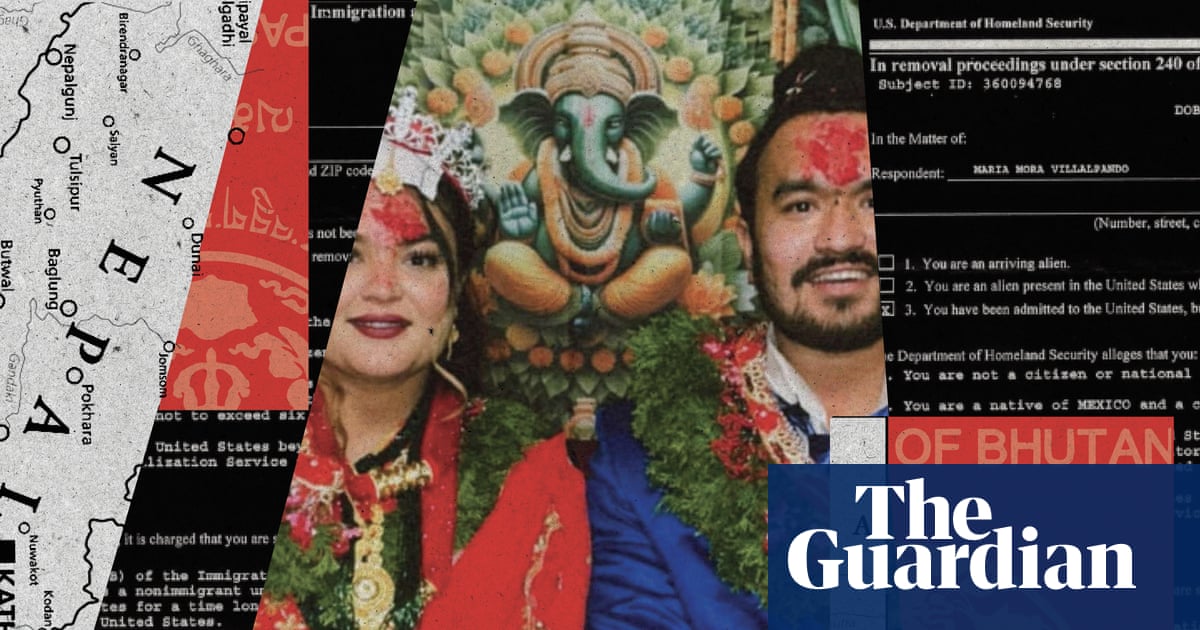
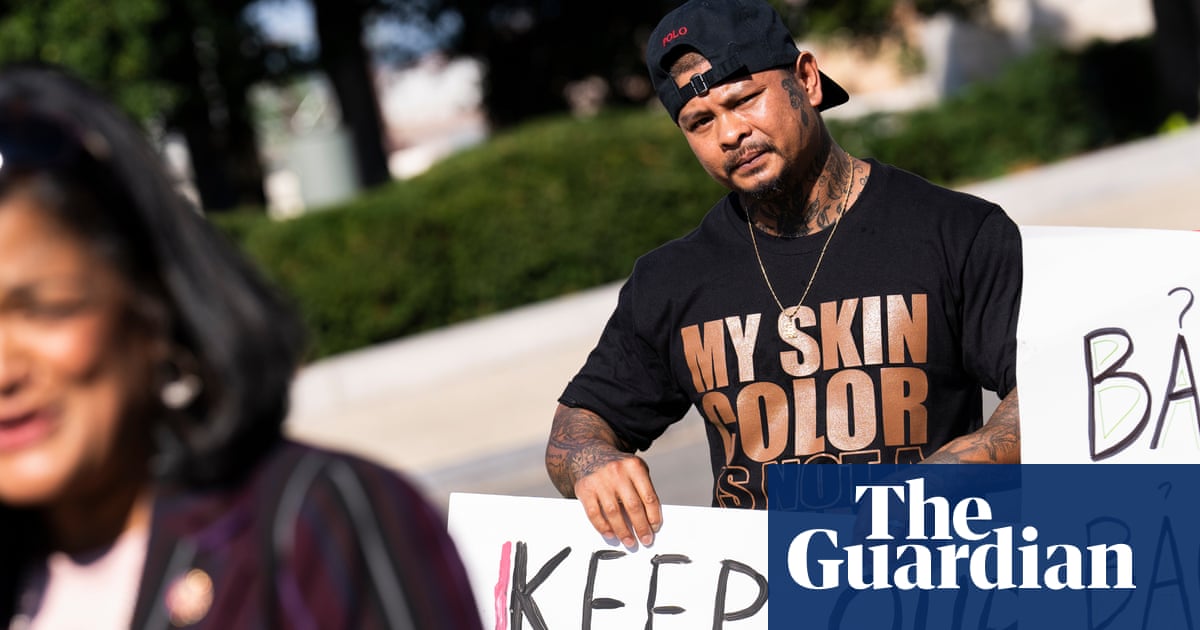
In mid-March 2025, the Asian Refugees United center in Harrisburg became a crisis center for Bhutanese refugees facing escalating immigration crackdowns under the Trump administration.