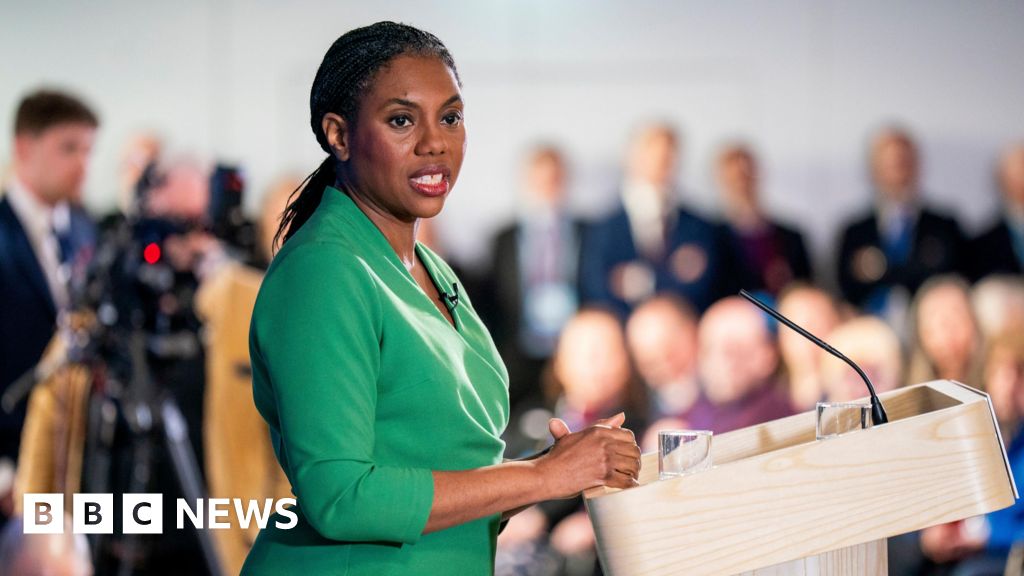
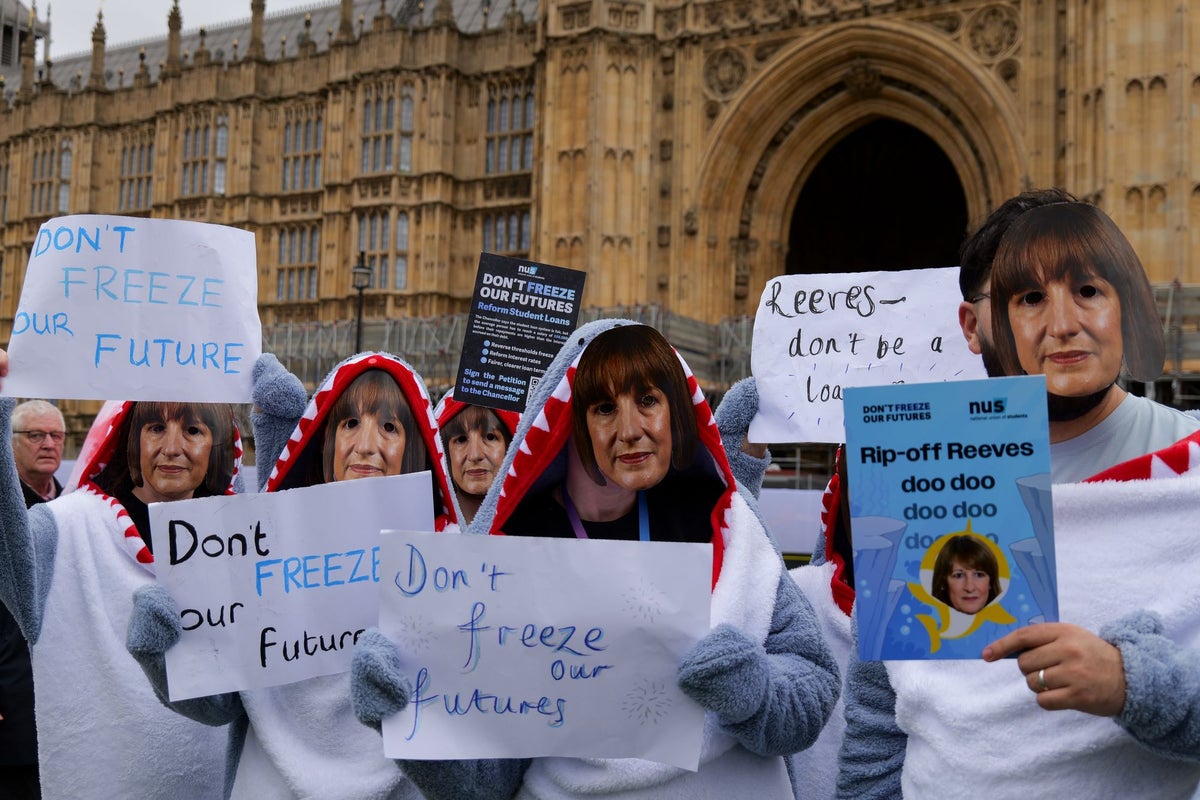
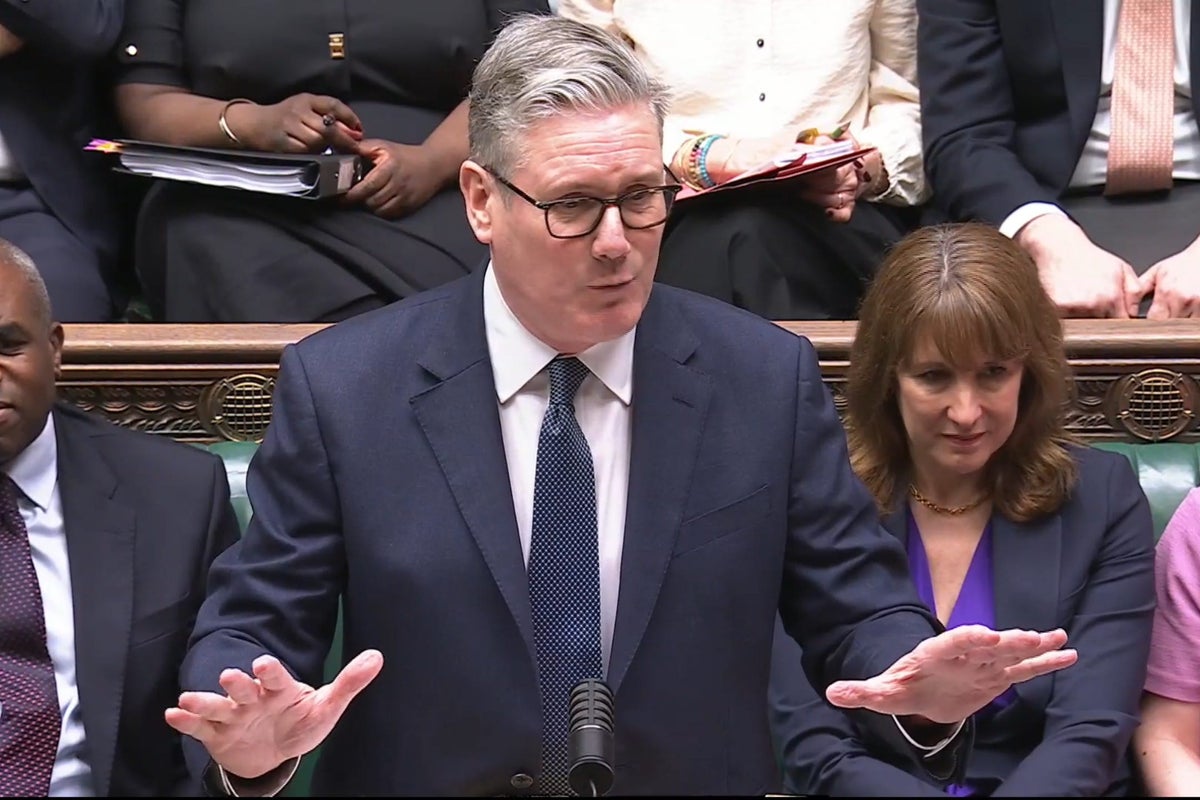
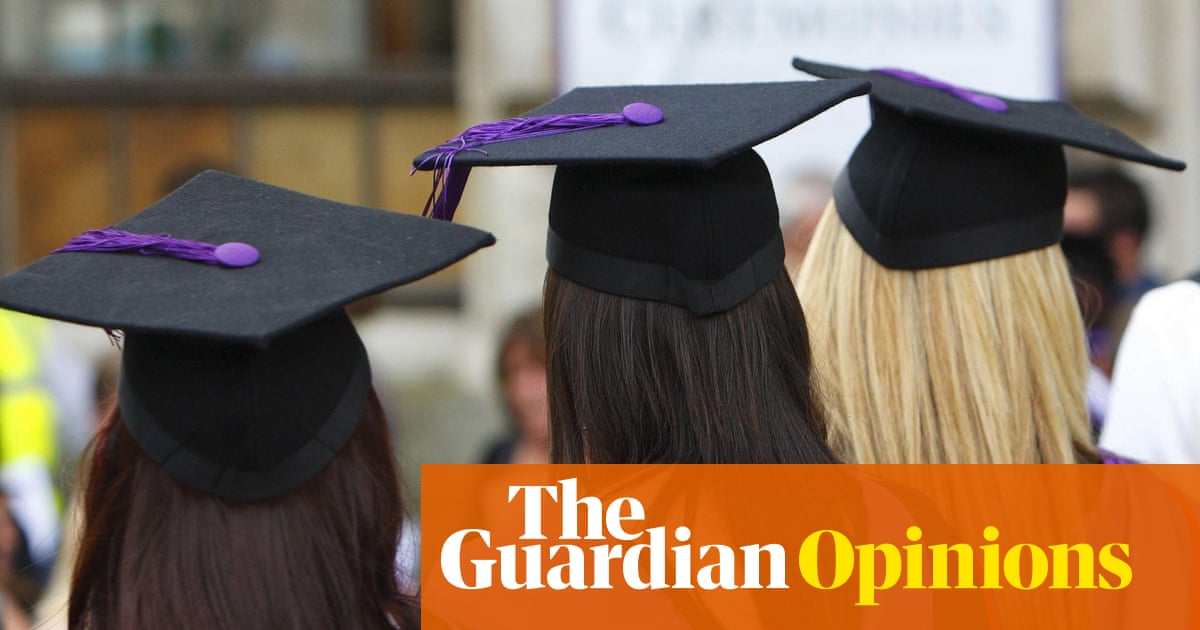
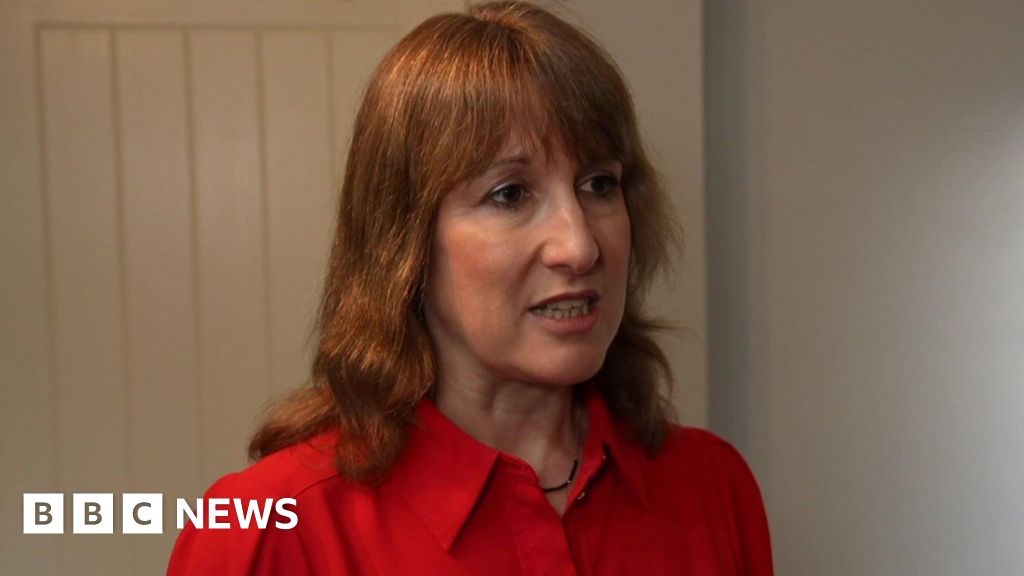
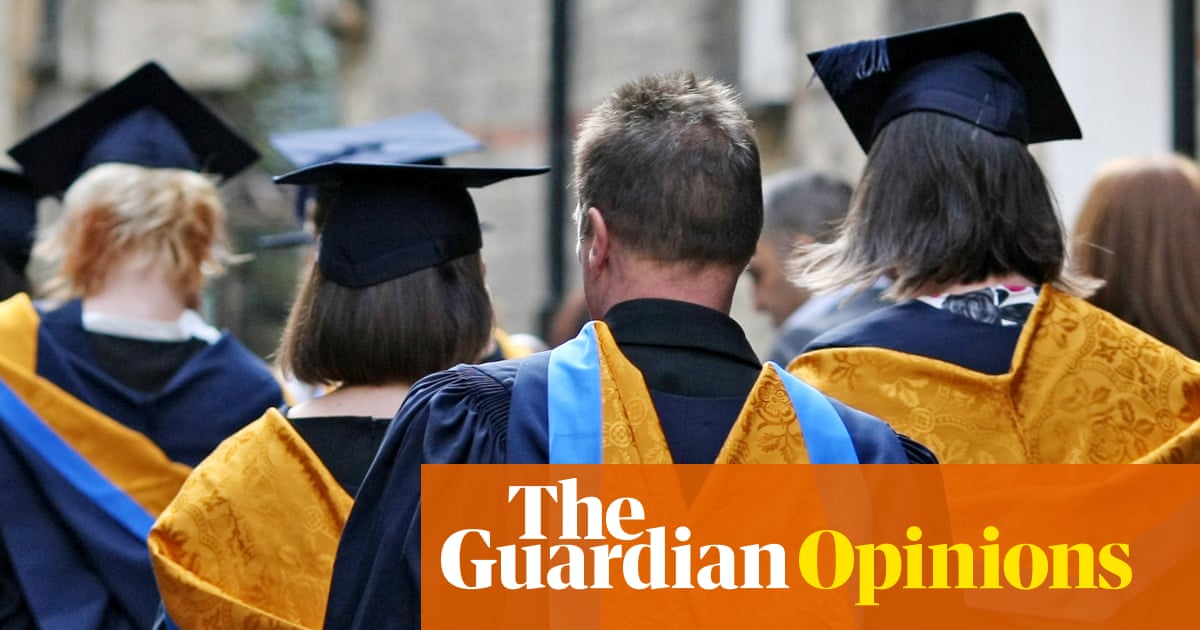
The disagreement is focused on the estimated 5.8 million people who took out a student loan between September 2012 and July 2023. For many of these graduates, everything they hand over from their salary is dwarfed by the interest that is slapped on their debt every month. What prompted the latest row is Reeves's decision to freeze the salary threshold forrepayments for plan 2 student loans for three years which means many graduates will now have to pay even more.
Sen. Elizabeth Warren and a group of her colleagues released the first congressional analysis of the impact of the coming changes to federal student loans on the private lending market. The report - exclusively viewed by Business Insider - compiled new information provided by six lenders, detailing how they are preparing for an anticipated influx of borrowers into the private market.
One way for a struggling law school to save face is to merge with another school to alleviate their need for funding, student head counts, and the like. The Appalachian School of Law is in a rough spot - low enrollment and funding issues are pushing them to merge with another school. There is a small issue: the school they're considering merging with is about three hours away.
And while the average retirement benefit today is only $2,071, it's somehow just enough income for some seniors to live on. But it's not a given that every Social Security recipient will get their monthly check in full. Working while collecting Social Security, for example, could result in withheld benefits for exceeding the program's earnings test thresholds. The earnings test applies to Social Security recipients who have not yet reached their full retirement age.
Some borrowers told me that they achieved student-loan forgiveness or repaid their loans in full. However, the majority of respondents reported a range of concerns about the future of their balances, including worries about losing a key affordable repayment plan, struggling to get help from their servicers, being in default on their loans, and more. Trump's "big beautiful" spending legislation includes the elimination of existing income-driven repayment plans and replacing them with two less generous options.
Misty Knapp just wants the student-loan forgiveness she was promised. Knapp, 59, has been working in public service as a nurse since 2012 and has been enrolled in the Public Service Loan Forgiveness program since 2017, which forgives student debt for government and nonprofit workers after 10 years of qualifying payments. She said she didn't know PSLF existed when she entered public service, but once she saw it was possible to get her six-figure balance forgiven, she was banking on the relief.
From TikTok to Instagram, to local news headlines, the plan set off a storm of online criticism as influencers and advocacy groups take issue with the supposed declassification of certain degrees. But defining programs as professional or graduate isn't a debate about social prestige or cultural characterization; it's a debate about access to student loans, and now the Education Department is saying it's time to "set the record straight."
Warren also detailed what she learned as she delved into the Trump administration's efforts to dismantle the department and requested a broader investigation of the dismantling. Her effort included sending eight letters to the Education Department (ED) and a meeting with Education Secretary Linda McMahon. Warren said the department "largely failed to provide complete and transparent answers" in response to her letters.
Earlier this month, the Department of Education reached a consensus on how to implement the Big Beautiful Bill's student loan-related edict: "to place commonsense limits and guardrails on future student loan borrowing," according to a press release from the agency. The bill was signed into law by President Donald Trump this July, setting new lifetime borrowing caps of $100,000 for graduate students and $200,000 for professional students. This month's committee finally established what degrees count as "professional," and notably, no nursing degrees made the cut.
Student loan advocates and borrower protection groups across the country have spent much of the last five months preparing for a series of big changes Congress laid out regarding the student loan system. From limiting the amount students and families can borrow to cutting the number of repayment plans they'll have to choose from, the One Big Beautiful Bill Act is one of the more significant overhauls to federal student aid in decades.
On Monday, the Department of Education will begin its second week of negotiations with stakeholders on President Donald Trump's plan to overhaul repayment plans and impose new caps on borrowing. The changes were codified in Trump's "big beautiful" spending bill, which he signed into law in July. The department is now undergoing negotiated rulemaking, a process that includes negotiation sessions and periods of public comment, with implementation set to begin in July 2026.
For a generation of young Americans, choosing where to go to college - or whether to go at all - has become a complex calculation of costs and benefits that often revolves around a single question: Is the degree worth its price?Public confidence in higher education has plummeted in recent years amid high tuition prices, skyrocketing student loans and a dismal job market - plus ideological concerns from conservatives.
This spring, my dreams came true: I was accepted to a tech-focused master's program at New York University for Fall 2025. After breaking into the tech industry, I thought this would be the next right step. I had been hopeful about receiving financial aid or scholarships, but none came through. I initially tried to convince myself that the $80,000 tuition was somehow manageable.