#thwaites-glacier
#thwaites-glacier
[ follow ]
#sea-level-rise #antarctica #seabed-curtain #ocean-warming #glacial-earthquakes #glacial-engineering

fromMail Online
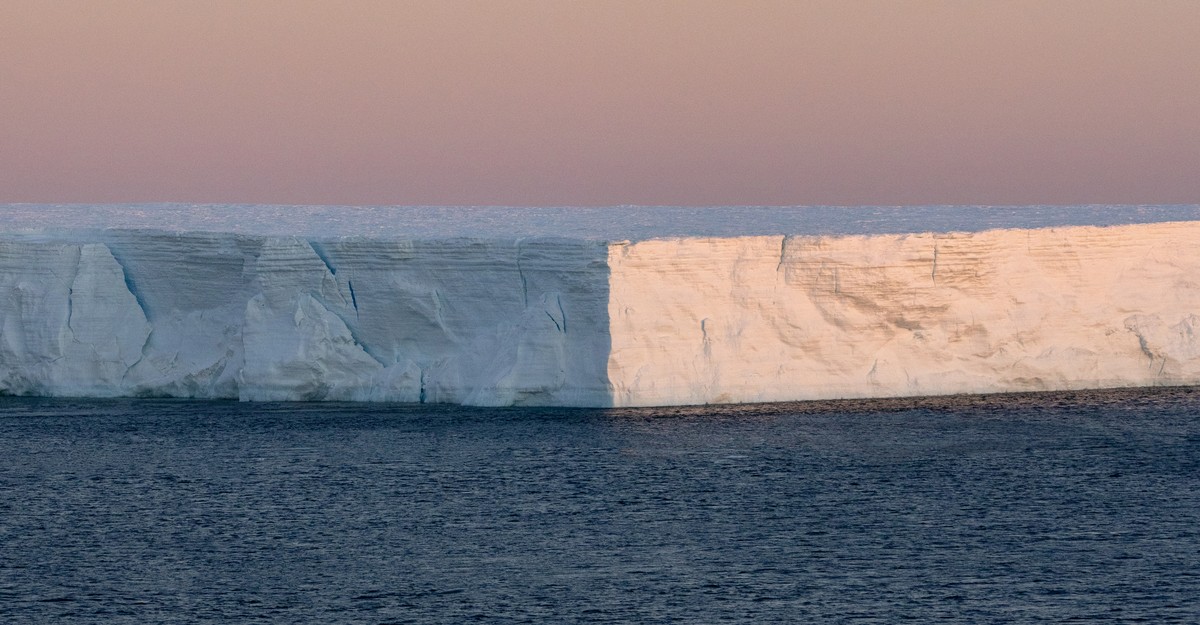
3 months agoWhat could go wrong? Experts DRILL into Antarctica's Doomsday Glacier
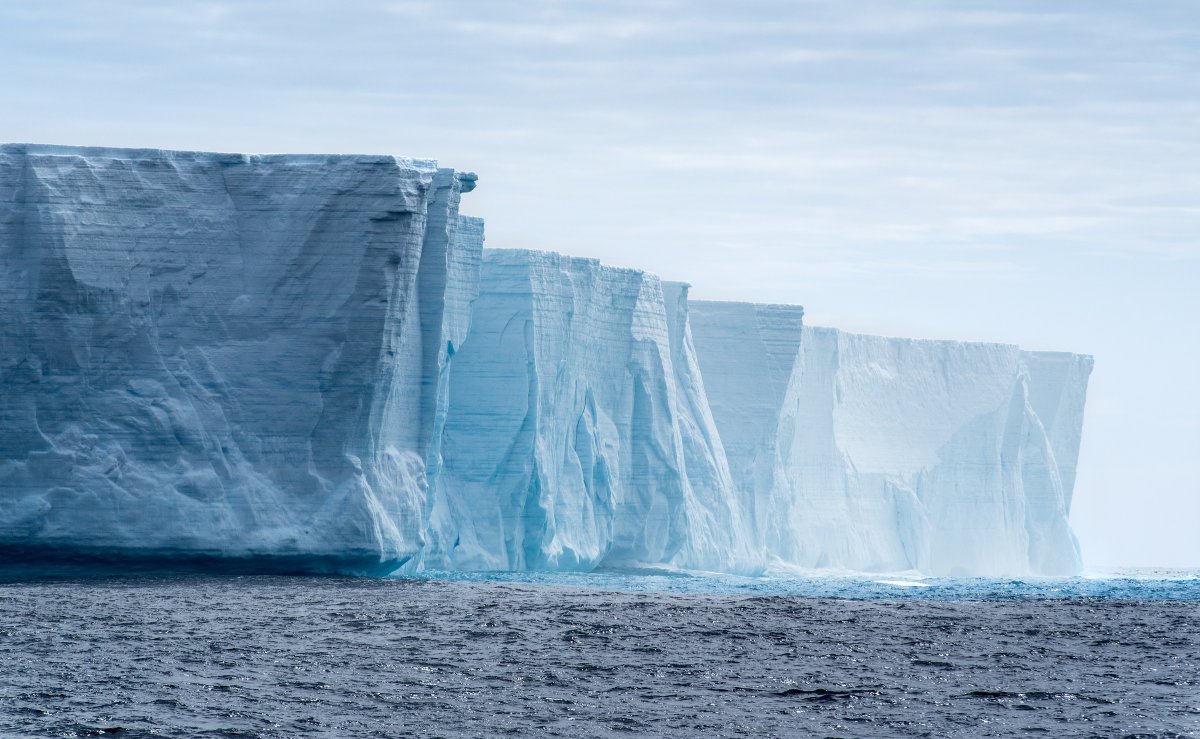
Measuring around the same size as Great Britain, this huge mass of ice in West Antarctica is one of the largest and fastest changing glaciers in the world. Worryingly, research has shown that if it collapses, the glacier will cause global sea levels to rise by a whopping 2.1ft (65cm) - plunging entire communities underwater. For this reason, it has been nicknamed the 'Doomsday Glacier'.
Science
fromFuturism
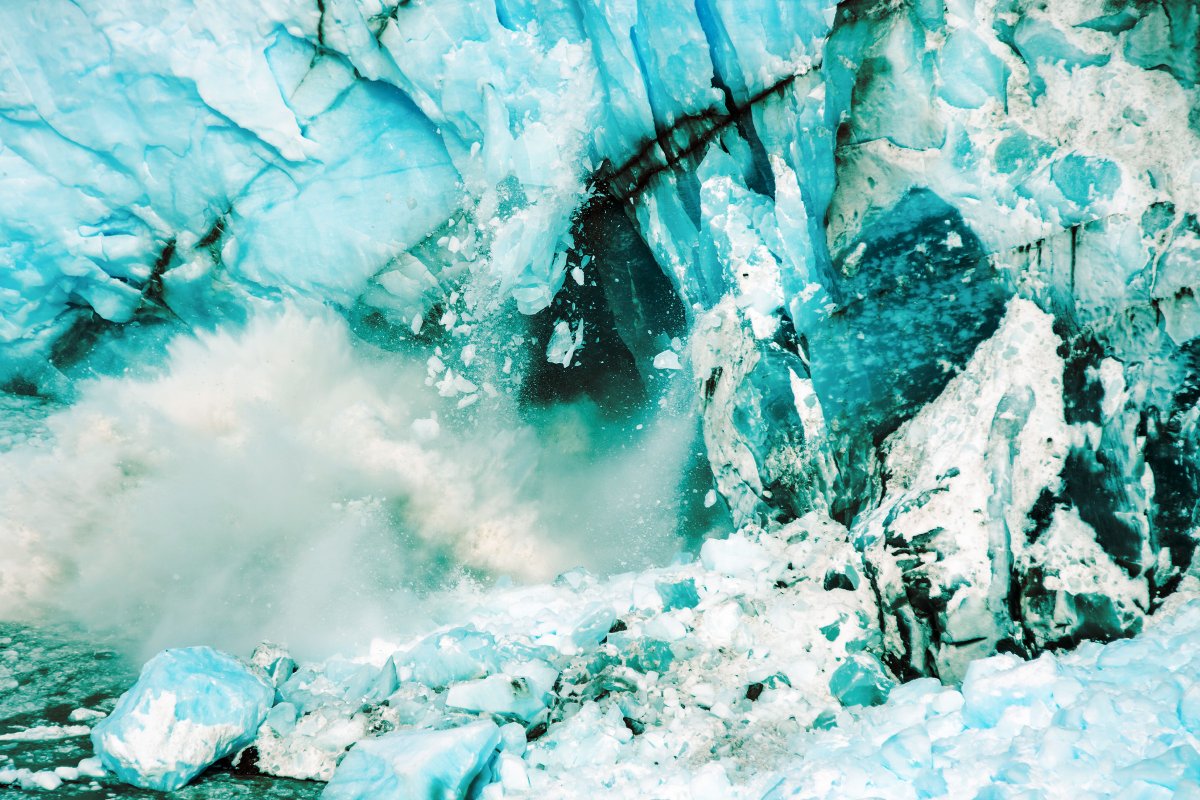
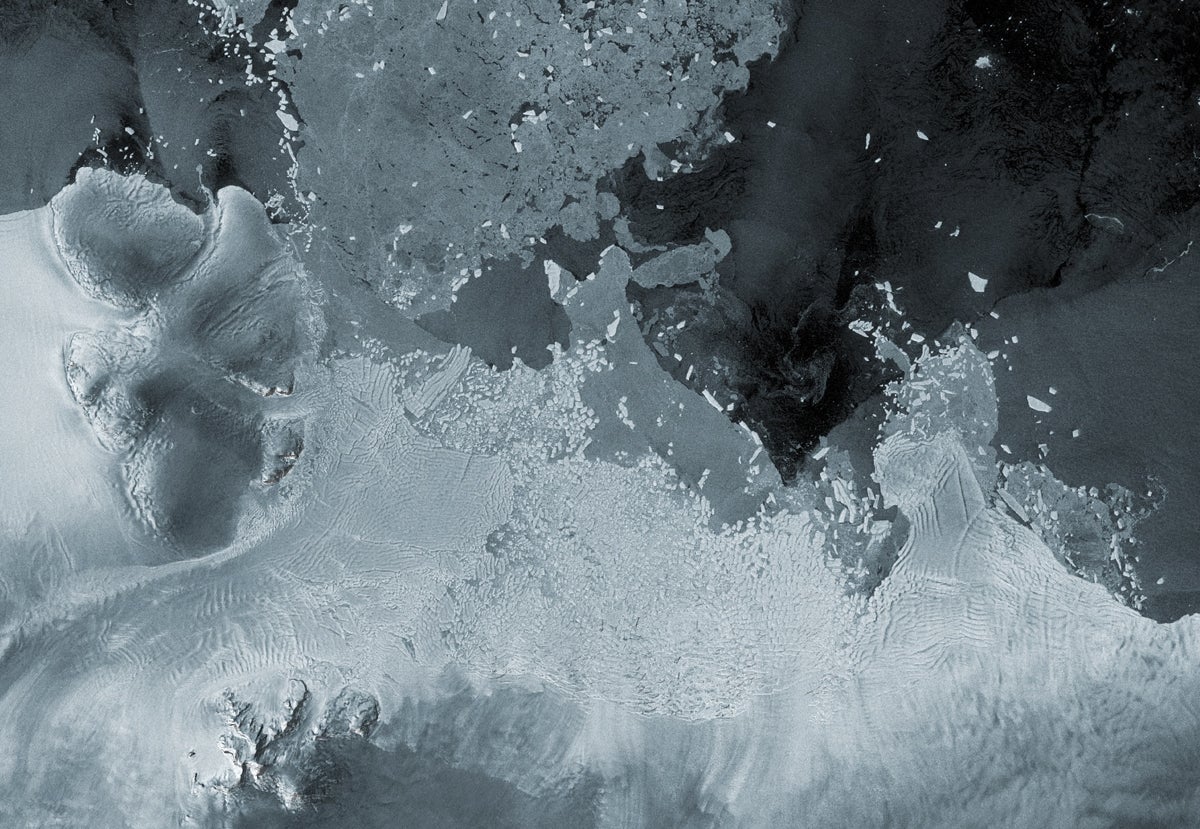
4 months agoDoomsday Glacier Approaching Catastrophic Collapse
Scientists have watched in horror as its retreat has accelerated significantly. Now, as detailed in a study published by the International Thwaites Glacier Collaboration (ITGC) and spotted by Wired, large cracks forming in the ice shelf are continuing to weaken its structural integrity. Doomsday has never been closer. If it were to collapse under its own weight, scientists suggest it could ultimately trigger up to 11 feet of global sea level rise, meaning certain devastation for tens of millions of people.
Environment
fromMail Online
5 months agoAntarctica's 'Doomsday Glacier' is on the verge of COLLAPSING
Study author Mattia Poinelli at the University of California, Irvine, said the vortexes 'look exactly like a storm' and are 'strongly energetic'. 'There is a very vertical and turbulent motion that happens near the surface,' Dr Poinelli told climate organisation Grist. 'In the future, where there is going to be more warm water, more melting, we're going to probably see more of these effects in different areas of Antarctica.'
Environment
[ Load more ]